Hazrat Shahjalal Shrine, Sylhet – A Complete Travel Guide to Bangladesh's Historic Sufi Shrine

Hazrat Shahjalal Shrine, Sylhet – A Complete Travel Guide to Bangladesh's Historic Sufi Shrine

Sylhet
·

19 October 2026

Travel Overview & Quick Facts

Directions
Location
Sylhet
Admission / Entry Fee
Entry is free for all visitors, including Bangladeshi and international tourists. There is no mandatory entry ticket or specific visit fee. Voluntary donations are optional. Visitors may incur a small additional cost for a shoe storage area, purchasing food for fish or pigeons (subject to permission), or purchasing flowers and other offerings. These purchases are not required for entry.
Best Time to Visit
Open year-round; October to March is particularly popular, and early morning and evening are ideal for visiting.
Opening Hours
Open 24 hours
Google Rating
★ 4.4 (5902 reviews)
Category / Type
Islamic religious heritage, Sufi shrines and pilgrimage sites, historical monuments, cultural and spiritual tourism

Introduction to Hazrat Shahjalal Shrine, Sylhet – A Complete Travel Guide to Bangladesh's Historic Sufi Shrine

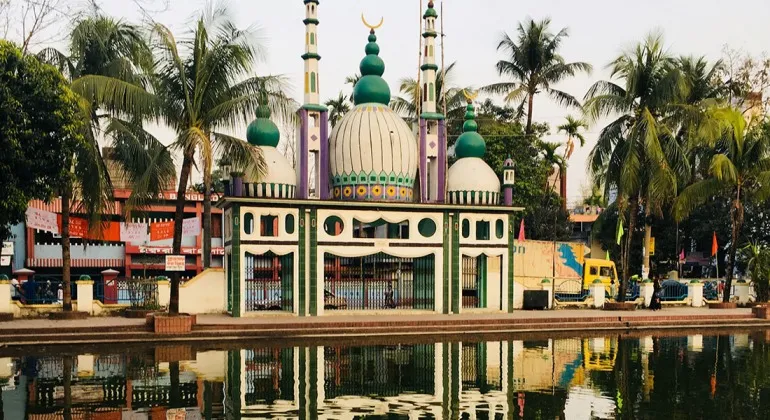
Hazrat Shahjalal Mazar , also known as the Shrine of Hazrat Shah Jalal (RA), Shahjalal Dargah or Hazrat Shahjalal Mazar Sharif, is one of the most revered Islamic heritage sites in Bangladesh and an essential cultural landmark of Sylhet. Located in the historic Dargah Mahalla area near the Dargah Gate, this centuries-old shrine preserves the memory of Hazrat Shah Jalal Mujarrad (RA), a renowned Sufi saint associated with the spread of Islam in northeastern Bengal in the early 14th century.

For centuries, this shrine has welcomed pilgrims, worshippers, historians and curious tourists from Bangladesh and abroad. Its importance is not limited to its religious role: the complex represents centuries of Sylhet history, spiritual heritage, architectural development and social life. The unwavering devotion to Shahjalal has contributed significantly to Sylhet's reputation as a spiritual center, sometimes described as the 'City of 360 Saints'.

Located in the bustling heart of Sylhet city, this shrine presents a memorable contrast between urban hustle and bustle and religious contemplation. Visitors can see a historic tomb complex, a mosque building, courtyards, traditional places of worship, a pond filled with pigeons known as Jalali Payra, and large fish. The atmosphere here changes at different times of the day; from the relatively calm atmosphere of the morning to the busy hours of congregational prayers and religious gatherings.

Location: Dargah Gate, Dargah Mahalla, Sylhet Sadar, Sylhet 3100, Bangladesh. The shrine is accessible from Amberkhana, Zindabazar, Sylhet Railway Station and Kadamtali Bus Terminal. General admission is free and the premises are open 24 hours a day, although access to the separate prayer area and tomb compound may be restricted at certain times.

Whether you are traveling for religious reasons, exploring Sylhet's Islamic heritage, or planning a cultural introduction before a trip to Jaflong , Ratargul Wetlands or the historic Kin Bridge , Hazrat Shahjalal Shrine provides an important introduction to the region's identity.


History of Hazrat Shahjalal Shrine

Who was Hazrat Shah Jalal?

Hazrat Shah Jalal (RA), better known as Shah Jalal Mujarrad, was an influential 14th-century Sufi saint who played a significant role in transforming the spiritual and cultural landscape of Sylhet. His life occupies an important place in the historical tradition of northeastern Bangladesh, although some details of his early life, birthplace, travels, and events are still disputed among historians.

Traditional narratives often associate Shahjalal with Yemen and describe his long journey before arriving in Sylhet. Different historical accounts have different explanations for his origins, and visitors should understand that not every popular account of his life has been conclusively established by contemporary documentary evidence.

Shah Jalal's arrival in Sylhet

According to a widely held regional tradition, Shahjalal arrived in Sylhet around 1303 CE , a time associated with the expansion of Muslim political influence in the region. Various accounts suggest that his arrival was in connection with a campaign against the local ruler Gaur Gobind, who is often associated with Sikandar Khan Ghazi and other Muslim military figures.

According to religious tradition, Shahjalal had 360 disciples or spiritual companions . This number is deeply embedded in the identity of Sylhet and helps explain the city's popular reputation as the 'City of 360 Saints'. However, the exact number of companions and the details of their activities depend partly on historical tradition rather than on unanimously verified contemporary documents.

Development of pilgrimage sites

According to conventional accounts, after Shah Jalal's death in 1346, his tomb gradually became a major pilgrimage site. In the following centuries, the surrounding religious complex became associated with prayer, spiritual gatherings, charitable activities, and the spread of Sufi traditions.

The current shrine complex reflects the changes that have occurred over various historical periods, rather than being a single, unchanged medieval structure. Its mosque facilities, courtyards, tomb courtyards, and ancillary buildings demonstrate the ongoing importance of the site from generation to generation.

Shah Jalal's influence is also commemorated through other religious sites throughout the region. One particularly important site in this regard is the tomb of Hazrat Shah Paran , which is associated with another prominent Sufi figure, traditionally identified as Shah Jalal's nephew and disciple.

Why is the pilgrimage site important today?

Hazrat Shahjalal Shrine is not only a historical monument, but also an active place of worship and pilgrimage. Daily visitors include local residents, tourists from other districts, expatriate Bangladeshis, and international tourists interested in the religious heritage of the region.

Its significance lies in the ongoing relationship between history, faith, and community. This shrine helps explain why Sufi traditions, religious teachings, and hospitality remain key elements of Sylhet's cultural identity.


Architecture and main attractions inside the temple

The Hazrat Shahjalal Shrine complex is a combination of religious architecture, historical sites, and daily worship activities. Visitors should not view the site as a traditional tourist attraction, but rather explore it with respect and appreciate that many of its areas are still actively used for worship.

1. Tomb of Hazrat Shah Jalal

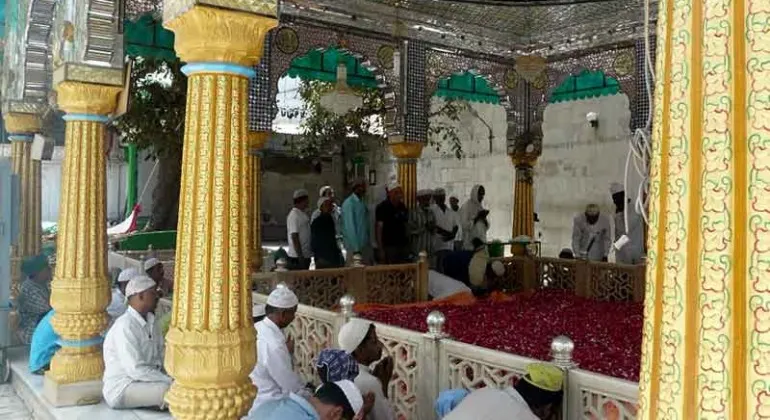
Its main attraction is the venerable tomb of Hazrat Shah Jalal. This tomb complex is the main focus for visitors, where they come to remember the saint, reflect on his teachings, and pray according to their religious rituals.

Access to the area surrounding the tomb may be controlled by temple attendants. There may be separate designated areas for men and women, and certain areas may be reserved or temporarily closed. Visitors should follow posted instructions and never assume that access to the outer courtyard guarantees access to every part of the interior.

2. Dargah Mosque

The mosque adjacent to the shrine is an important feature of this religious complex. Its prayer space and surrounding structures contribute to the distinctive Islamic architectural character of the site.

The mosque becomes particularly busy during the five daily prayers and the Friday congregational prayers. Visitors should refrain from blocking the entrance, taking photos of worshippers without permission, or entering the prayer area during religious services without a valid reason.

3. Jalali Pigeon

One of the most well-known features of the Shahjalal Shrine is the presence of the Jalali pigeon . These birds are associated with local stories about Shahjalal and have a special place in the traditions surrounding the shrine.

Visitors may see pigeons resting on the buildings, gathering around the courtyard, or flying over the grounds. Taking photos from areas permitted to the public can be enjoyable, but the birds should not be chased, caught, or disturbed. Feed them only where explicitly permitted by the shrine authorities.

4. Temple pond and big fish

The shrine premises are also known for a pond where large fish, commonly called Gojar or Carrot Fish, are found. These fish are one of the well-known features of the place and attract a lot of families and first-time visitors.

Visitors should observe the fish from designated areas and follow local regulations regarding feeding the fish. Avoid throwing plastic, unsuitable food, or any other waste into the pond. Pond conditions and availability of fish viewing areas are subject to change.

5. Premises and places of religious gatherings

The courtyards and connecting paths provide an opportunity to observe the daily life of a long-standing religious institution. Depending on the time of visit, travelers may see people reading scriptures, meditating silently, meeting with family members, or participating in organized devotional activities.

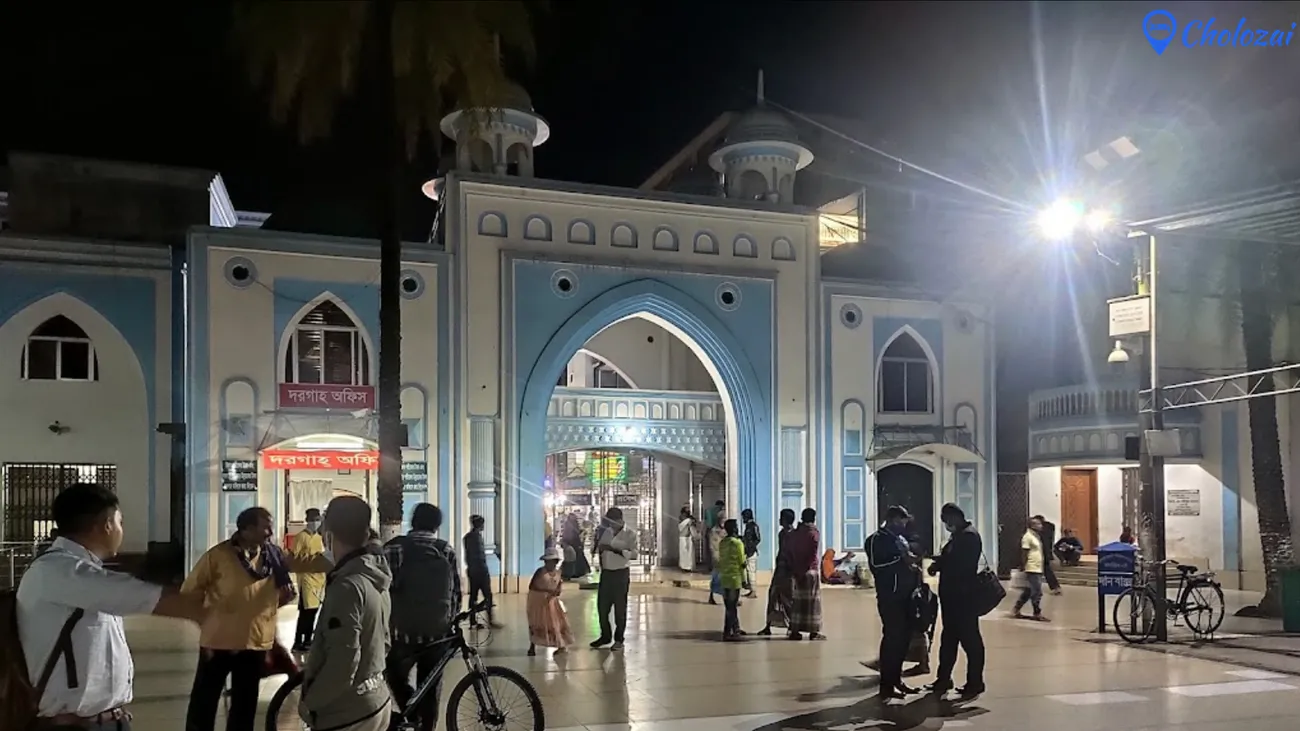
Observable architectural styles include arched entrances, ornate surfaces, the structure of the mosque, the entrances, and the arrangement of religious spaces around the shrines. Some parts are relatively modern, while others reflect older architectural traditions and successive renovations.

6. Dargah Gate and surrounding area

The roads leading to the shrine are also part of the experience. The Dargah Gate is a well-known place in Sylhet, surrounded by hotels, small restaurants, religious shops, local businesses, and busy pedestrian streets. This area offers a glimpse into everyday urban life, as well as one of Bangladesh's major pilgrimage sites.


Things to do at Hazrat Shahjalal Shrine

A visit to Hazrat Shahjalal Shrine can be meaningful for religious pilgrims, cultural tourists, families, and those interested in the history of Bangladesh. Activities should always be consistent with the sacred character of the place.

  • Explore the Sufi heritage of Sylhet: Learn about the historical influence of Shahjalal and the traditions that link him to the arrival and spread of Islam in North-East Bengal.
  • Visit the shrine with respect: observe the religious atmosphere and follow the attendants' instructions regarding entry into the tomb premises.
  • Spend time in quiet contemplation: This space offers opportunities for mindfulness, especially during off-peak hours.
  • Observe the Jalali Pigeons: See the birds that have become one of the best-known cultural symbols of this shrine.
  • Visit the historic fish pond: Observe the large fish and learn about the traditions associated with this body of water.
  • Admire Islamic architecture: Observe mosques, gateways, courtyards, arcades, and religious structures from public spaces.
  • Experience local culture: Walk through the Dargah Gate area and observe the surrounding restaurants, shops, and daily activities.
  • Explore another important pilgrimage site: Continuing your heritage journey, visit the tomb of Hazrat Shah Paran .

Suggested Visit Duration: Allow approximately 45-90 minutes for a leisurely visit. Visitors who participate in prayers, learn about the history of the site, or cope with the festival crowds may need much longer.


Opening hours and best time to visit

Opening hours

Google Maps shows Hazrat Shahjalal Shrine as open 24 hours a day, 7 days a week. This is generally true of the pilgrimage site and should not be taken to mean that every internal room, prayer space, or tomb complex is accessible at all hours.

Day Listed opening times
Saturday Open 24 hours
Sunday Open 24 hours
Monday Open 24 hours
Tuesday Open 24 hours
Wednesday Open 24 hours
Thursday Open 24 hours
Friday Open 24 hours

Special religious gatherings, maintenance work, security measures and crowd control measures may affect access to certain areas. Friday congregational prayers may also change pedestrian movement around mosques.

The best months

The pilgrimage site is open to visitors all year round. October to March is a popular time to combine visiting the heritage sites with extensive sightseeing tours throughout Sylhet . Devout pilgrims can choose special occasions according to their personal customs and schedules.

Best time of day

  • Early morning, approximately 6:00 AM–9:00 AM: This time is generally suitable for travelers who want to travel in a relatively quiet environment and explore the area before the busiest time of the day begins.
  • Late afternoon, approximately 4:00 PM–6:00 PM: This is a convenient time for visitors to explore the city along with visiting the shrines.
  • Evening: After sunset, there is an opportunity to experience the spiritual atmosphere of the pilgrimage site, although crowds and access arrangements may vary.
  • Friday: An important day for congregational worship, and visitor traffic may increase slightly during prayer times.

Annual Urs gathering

The annual Urs in memory of Shah Jalal is one of the most important religious gatherings at the shrine and attracts a large number of participants. The schedule should be confirmed through current local announcements, as religious ceremonies and arrangements may vary. Those wishing to participate should be prepared for increased demand for accommodation and transportation, heavy crowds, and possible security restrictions.


Ticket prices, entrance fees and visiting rules

Entrance fee

Entry to Hazrat Shahjalal Shrine is free. Visitors are not generally required to purchase an entrance ticket to enter the public areas of the shrine grounds. This is a religious destination, not a commercial attraction that requires a general tourist ticket.

Inspectorate Department or Service Expected cost
Bangladeshi visitors Entry is free.
International visitors Entry is free.
Children Entry is free.
Public access permitted. Free
Voluntary religious or charitable donations Optional; amount chosen by the inspector
Shoe storage, where available Ask locally if service charges apply.
Fish or pigeon food, where permitted Optional purchase; price varies.

Visitors should distinguish between optional purchases and voluntary donations and mandatory entrance fees. Avoid paying anyone who claims to require an informal payment for entry. If in doubt, ask the caretaker of an identifiable shrine or check the official notice.

Dress code and religious etiquette

  • Dress modestly: Clothing should cover the body appropriately, in keeping with the religious character of the place. Women may bring a scarf or other head covering.
  • Remove shoes where required: Shoes must be removed before entering designated religious sites. Follow signs or instructions from caretakers.
  • Respect gender-based access: Some indoor spaces, especially areas near tombs, may restrict access based on gender or other religious norms.
  • Keep the noise down: Avoid loud talking, listening to music, chaotic behavior, and unnecessary phone calls.
  • Follow photography restrictions: Ask permission before taking photos inside a place of worship or from worshippers.
  • Do not disrupt prayers: Keep the walkways and entrances to the mosque clear during congregational prayers.
  • Respect wildlife: Don't chase pigeons without permission, don't throw trash in ponds, or feed animals.
  • Protect personal belongings: Keep valuables safe, especially during large religious gatherings.

Foreign tourists and non-Muslim visitors can generally observe public places with respect, but entry to specific holy sites is determined by the rules and regulations of the place. It is best to ask permission rather than assume free entry.


How to reach

Hazrat Shahjalal Shrine is located at Dargah Gate in central Sylhet, making it easily accessible from major transport terminals, hotels, shopping areas and nearby neighborhoods. Travelers arriving from Dhaka can reach the shrine via a short local journey by road, rail or air to Sylhet.

1. By bus from Dhaka

Step 1: Go to any bus departure point in Dhaka that plies the Sylhet route, such as Sayedabad or any other terminal used by your chosen operator. Intercity services generally use the Dhaka-Sylhet highway corridor.

Step 2: Choose an available non-AC or AC intercity bus. Companies operating this route include Hanif Enterprises, Ena Transport, Shyamoli, and others, although their schedules and services vary.

Step 3: Travel to Sylhet, where many intercity trains use the Kadamtali area or other designated stopping points. The journey by road usually takes about 5-8 hours, but it can take longer due to traffic jams, road repairs, rest stops, and train departure times.

Estimated one-way fares: Budget around ৳650–৳1,100 for many non-AC services and ৳1,200–৳2,000 or more for AC services. These are estimates for planning, not verified direct ticket prices. Confirm prices with the operator before booking.

Step 4: Hire a CNG autorickshaw or cycle rickshaw from Kadamtali Bus Terminal to Shahjalal Dargah, Dargah Gate or Shahjalal Mazar Sharif. The final journey usually takes about 10-20 minutes, depending on traffic.

2. By train from Dhaka

Step 1: Book a suitable train from Dhaka to Sylhet on Bangladesh Railway. Commonly known trains running on this corridor include Parabat Express, Jayantika Express, Kalni Express and Upaban Express, subject to current timetables and working days.

Step 2: Go to Sylhet Railway Station. Depending on the train and service conditions, this journey usually takes about 6-8 hours or more.

Estimated one-way rail fare: Approximately ৳400–৳700 for selected standard seating class and approximately ৳900–৳1,800 or more for higher-comfort class. Actual price depends on class, route, and Bangladesh Railway's current tariff.

Step 3: Arrange a rickshaw or CNG to reach the Dargah gate from outside Sylhet Railway Station. Depending on the route, the shrine is located about 3-4 kilometers away via the city's main road.

Estimated cost of local transport: A cycle rickshaw can cost around 70–150 taka, while a reserved CNG autorickshaw can cost around 120–250 taka. The old government tourism guidelines used to specify lower local fares; now, the fares may be higher through negotiation. Agree on the fare before you start your journey.

3. By air from Dhaka

Step 1: Book a domestic flight from Hazrat Shahjalal International Airport in Dhaka to Osmani International Airport in Sylhet. Biman Bangladesh Airlines and other domestic airlines may operate on this route as per the current schedule.

Step 2: After landing at Osmani International Airport, take an airport taxi, pre-arranged car, or available local transportation to head towards Sylhet city.

Step 3: Ask the driver to drop you off at the dargah gate or as close as possible to the pedestrian entrance of the shrine, where there is room for vehicular traffic.

Travel time: Air travel usually takes about 45-60 minutes. Depending on traffic, it can take about 20-35 minutes to travel from the airport to the pilgrimage site by road.

Estimated Cost: Domestic airfares vary widely depending on booking dates and demand; a general plan range for a one-way trip is around ৳3,500–৳9,000 or more. A private airport transfer can cost around ৳500–৳1,000 or more, depending on the type of vehicle and negotiation.

4. From Sylhet city center

Meanwhile, travelers staying in Sylhet can reach the shrine by local transport from Zindabazar, Amberkhana, Bandar Bazar, Chowhatta or central hotel areas .

  • From Zindabazar: Depending on your starting point and walking speed, it can take about 15-25 minutes to walk, or you can take a small rickshaw.
  • From Amberkhana: The shrine is relatively close. Walking or a short rickshaw ride is often convenient.
  • Take a reserved CNG or rickshaw from Kadamtali Bus Terminal to go towards the Dargah Gate.
  • From Sylhet Railway Station: Reserved CNG is convenient for passengers carrying luggage.
  • From large hotels: Ask the reception to arrange transportation to Shahjalal Dargah, especially if you are going early in the morning or late at night.

5. Estimated local transportation costs

Starting point Transportation Approximate one-way fare
Zindabazar Cycle rickshaw ৳40–৳100
Amber Khana Cycle rickshaw ৳30–৳80
Kadamtali Bus Terminal Reserved CNG auto-rickshaw ৳120–৳250
Sylhet Railway Station Reserved CNG auto-rickshaw ৳120–৳250
Osmani International Airport Private taxi or rented car ৳500–৳1,000+
Central Sylhet sightseeing tour Car rental with driver Approximate ৳2,500–৳5,000+ per day excluding applicable additional costs

Fare Notice: Local transport fares are not fixed government rates, but rather an approximate bargaining range. Prices may vary based on demand, fuel prices, traffic congestion, religious festivals, or number of passengers.

6. Vehicle rental and personal transportation

Families and groups may prefer reserved CNG, private cars or microbuses. Car rentals with drivers are available through travel operators and many hotels in Sylhet. Make sure that the quoted fare includes fuel, driver's allowance, parking, waiting time and out-of-town travel.

For a full-day city tour, visitors can visit Hazrat Shahjalal Shrine, (Malnichera Tea Garden)Hazrat Shah Paran's Tomb , Kin Bridge , and Malnichera Tea Garden along with the city. For more distant attractions like Lalakhal or Jaflong, a separate full-day tour is usually preferable.

7. Important directional signs

Convenient directions include Dargah Gate, Dargah Mahalla, Amberkhana, Shahjalal Dargah Mosque and the surrounding Shahjalal Road area. When using digital navigation, make sure the destination is the shrine located in central Sylhet rather than Hazrat Shahjalal International Airport in Dhaka or any other establishment with the same name.

Hazrat Shahjalal Shrine, Sylhet

GPS: 24.90219, 91.86637
Get Directions

Where to eat

The streets surrounding Hazrat Shahjalal Shrine are lined with numerous food stalls, tea shops, bakeries and small restaurants catering to pilgrims, locals and tourists. As the shrine is located in the heart of the city, visitors can choose from low-cost traditional food and established restaurants in the nearby commercial areas.

Food around the Dargah Gate

Small local restaurants near the shrine usually serve rice, dal, vegetables, fish, chicken, beef dishes, parathas, tea, and light snacks. These establishments are convenient for visitors who want to grab a quick meal without having to venture too far from the religious complex.

A typical local breakfast or snack can cost around 80-200 taka per person, while a typical rice-based lunch can cost around 150-350 or more, depending on the dishes chosen. Be sure to check the menu for prices before ordering.

Traditional Sylhet food worth tasting

  • Beef with Satkara: A unique Sylhet dish made with the aromatic local citrus fruit Satkara.
  • Traditional Bharta: A stew of vegetables, fish, or other ingredients mixed with spices and mustard oil, usually served with rice.
  • Fish curry: A regional dish made with freshwater fish, commonly found in local restaurants.
  • Chaikara-based curry: Sylhet's own signature lemon-flavored regional cuisine.
  • Local Tea: A perfect way to enjoy Sylhet's long-standing tea culture after sightseeing.

Restaurants in Zindabazar and Central Sylhet

Head to Zindabazar or the central business district for a more extensive menu. Restaurants like Pansi and Panch Bhai are well-known names in Sylhet for their traditional Bangladeshi cuisine. Check the current branch locations, opening hours, and terms of service before you go.

A casual meal at many mid-range local restaurants can cost approximately 250–600 taka per person, although premium menu items and larger portions can cost even more.

Food and hygiene tips

Choose restaurants where food sells out quickly and the cooking area is clean and tidy. Use bottled water or other reliable sources of drinking water. Allow extra time if visiting during Friday prayers, Ramadan, or any major religious gatherings, as nearby eateries may be crowded or their service hours may change.

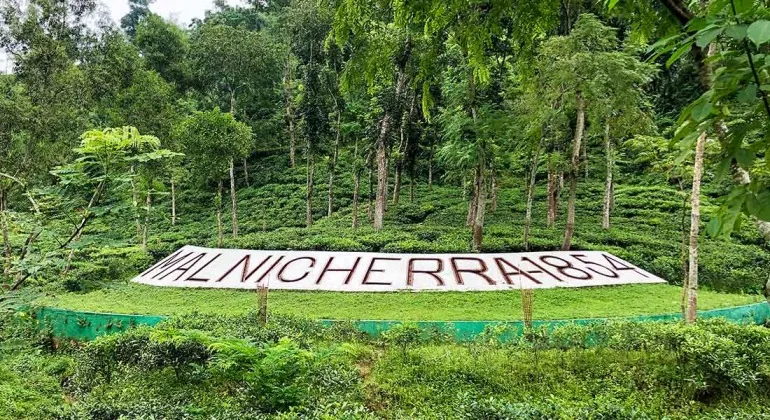
Tourists heading to the Malnichera Tea Gardens (Malnichera Tea Garden) after visiting the shrine can include tea tasting or a break at a cafe as part of their tour of the greater Sylhet city.


Where to stay?

Staying overnight is easy as there are good quality accommodation options around Hazrat Shahjalal Shrine. Travelers can stay within walking distance of the Dargah Gate or choose hotels in Zindabazar, Amberkhana or other areas of central Sylhet.

1. Hotel near Dargah Gate

The Dargah Gate area is particularly convenient for pilgrims, families attending religious gatherings, and visitors who wish to reach the shrine without arranging additional transportation.

Hotels located in or near this area include Hotel Star Pacific , Grand Khalifa Hotel Hammam and other locally run hotels and guesthouses. You should check availability, facilities, current management and room rates before booking.

Typical planning budget: Approximately ৳1,500–৳4,500 per night for many basic to mid-range options, and prices can be higher during major events.

2. Hotels in Amberkhana

Amberkhana is a convenient residential area for visitors who want easy access to shrines, shopping streets, restaurants, and the road leading to Osmani International Airport. It has a mix of small hotels and established commercial accommodation.

General Plan Budget: Approximately ৳1,500–৳5,000 per night depending on room quality, amenities, demand, and booking system.

3. Hotels in Zindabazar and Central Sylhet

For those interested in restaurants, shopping, and convenient urban transportation, Zindabazar and its surrounding commercial areas are ideal. The shrine can usually be reached by a short local train ride, and other tourist attractions in Sylhet are also easily accessible.

General planning budget: Around 2,000–6,000 taka per night for many mid-range hotels, but this varies significantly from hotel to hotel.

4. High-end hotels and resorts

Travelers who prefer larger rooms, more amenities, or more comfortable accommodations can consider the established high-end hotels and resorts in the greater Sylhet area. These may include full-service hotels located in the city center or hotels in rural areas like Nazimgarh Garden Resort .

For tourists traveling to the Jayantapur and Jaflong areas of Sylhet, accommodation at Jayanta Hills Resort Sylhet may also be relevant, but current activities and availability must be checked.

Accommodation booking advice

  • Book in advance if traveling during the annual Urs, major public holidays, or other large religious gatherings.
  • Ask if the room rent includes tax, breakfast, air-conditioning, and parking.
  • Confirm check-in requirements, identity verification policies, and family accommodations.
  • If you want less street noise, request a room away from busy streets.
  • Consider the walking route to the shrine rather than relying solely on the straight-line distance.
  • For visitors with special mobility needs, please check directly with the authorities regarding elevator availability and accessible facilities.

Hotel prices are an approximate guide for budgeting, they are not final prices or guaranteed rates.


Essential travel tips and safety information

Although it is easy to explore Hazrat Shahjalal Shrine independently, planning with its religious features and busy urban location in mind will make the experience more comfortable.

Respect the sacred environment.

Remember that this square is primarily a place of worship and pilgrimage. Visitors should be considerate of worshippers, speak respectfully, follow local customs, and refrain from treating sacred activities as a spectacle for tourists.

Photography and mobile phones

Photography permissions may differ for outdoor and indoor religious sites. Do not take photos of the grounds or worshippers near the mausoleum without proper permission. Keep mobile phones on silent in places of worship.

Meeting the children

The pilgrimage site can be visited with families and children may be particularly interested in the pigeons and pond. Adults should supervise children near water bodies, stairs, steps and crowded paths. Explain appropriate etiquette before entering religious sites.

Accessibility

Some parts of the complex may have stairs, high places, narrow paths, or heavy pedestrian traffic. Visitors using wheelchairs or mobility aids should contact local staff to find appropriate access routes and to find out which areas are currently accessible.

Grants and informal guidance

Voluntary donations are a personal matter. Do not assume that anyone approaching you at the entrance is an authorized representative. Avoid paying uninvited guides or intermediaries without clearly agreed upon services and fees.

Crowd management

Significant traffic congestion can occur around the Dargah gates due to Friday prayers, religious anniversaries, and large gatherings. Keep essential items safe, designate a meeting point if traveling in a group, and be flexible with your schedule.

Cash, clothing, and necessities

Carry modest clothing, a small amount of local currency, drinking water, and a charged phone. Comfortable shoes that can be easily opened and closed may be helpful. Visitors planning to stop at multiple locations should pack light, as there is no guarantee of storage facilities inside the temple.

Suggested Half-Day Traditional Itinerary

Start your journey in the morning from Hazrat Shahjalal Mazar and explore the accessible areas for about an hour. Then, visit the tomb of Hazrat Shah Paran for an additional religious heritage experience. Return to central Sylhet for lunch, then visitthe Kin Bridge on the Surma River. If you have time,you can extend the tour to the Malnichera Tea Garden, subject to visitor access .

Emergency Assistance: The national emergency number for Bangladesh is 999. For non-emergency tourist assistance, see the current contact information for Sylhet Tourist Police or contact your hotel for verified local assistance.


Nearby attractions

Hazrat Shahjalal Shrine is a convenient starting point for exploring Sylhet's religious sites, historical areas, tea-growing heritage, and major natural attractions. The following destinations offer the opportunity to create a meaningful city tour or a longer itinerary of Sylhet district.

1. tomb of Hazrat Shah Paran

Located in the Khadimnagar area, about 8-10 kilometers from central Sylhet, the shrine of Hazrat Shah Paran is the most directly related religious destination after the Shahjalal shrine. Traditionally, Hazrat Shah Paran is remembered as a close relative and spiritual follower of Shahjalal. Visiting these two shrines together provides a better understanding of the Sufi heritage of Sylhet.

About 2-3 kilometers by road from the shrine, the Kin Bridge over the Surma River is one of the most well-known historical landmarks of Sylhet city. The riverside area around it presents a diverse picture of the city's transportation history and urban identity.

Located a short distance from the central city, the Malnichera Tea Estate is associated with the early development of commercial tea cultivation in the region. Its tea-growing landscape serves as a popular complement to the religious sites of Sylhet. Visitors should adhere to the estate's boundaries and ensure that they are permitted to enter or take a guided tour.

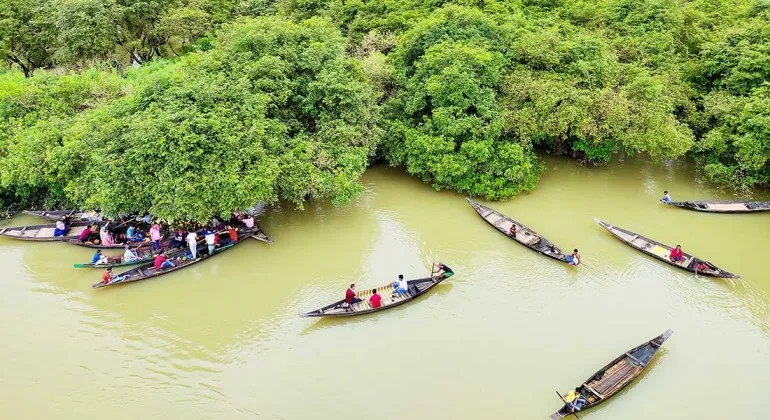
Ratargul is one of Sylhet's unique freshwater wetland-forest destinations, usually visited separately from the city. Its submerged forest environment and guided boating experience create a fascinating contrast to the historic religious atmosphere of Shahjalal Shrine. Boating opportunities, water levels, and conservation regulations vary seasonally.

Lalakhal is known for its picturesque river views, surrounding greenery and boat trips to the Jayantapur region. It is suitable for travelers who are interested in enjoying the peaceful river views after visiting the historical sites of Sylhet. Transportation arrangements and boat rentals should be confirmed locally.

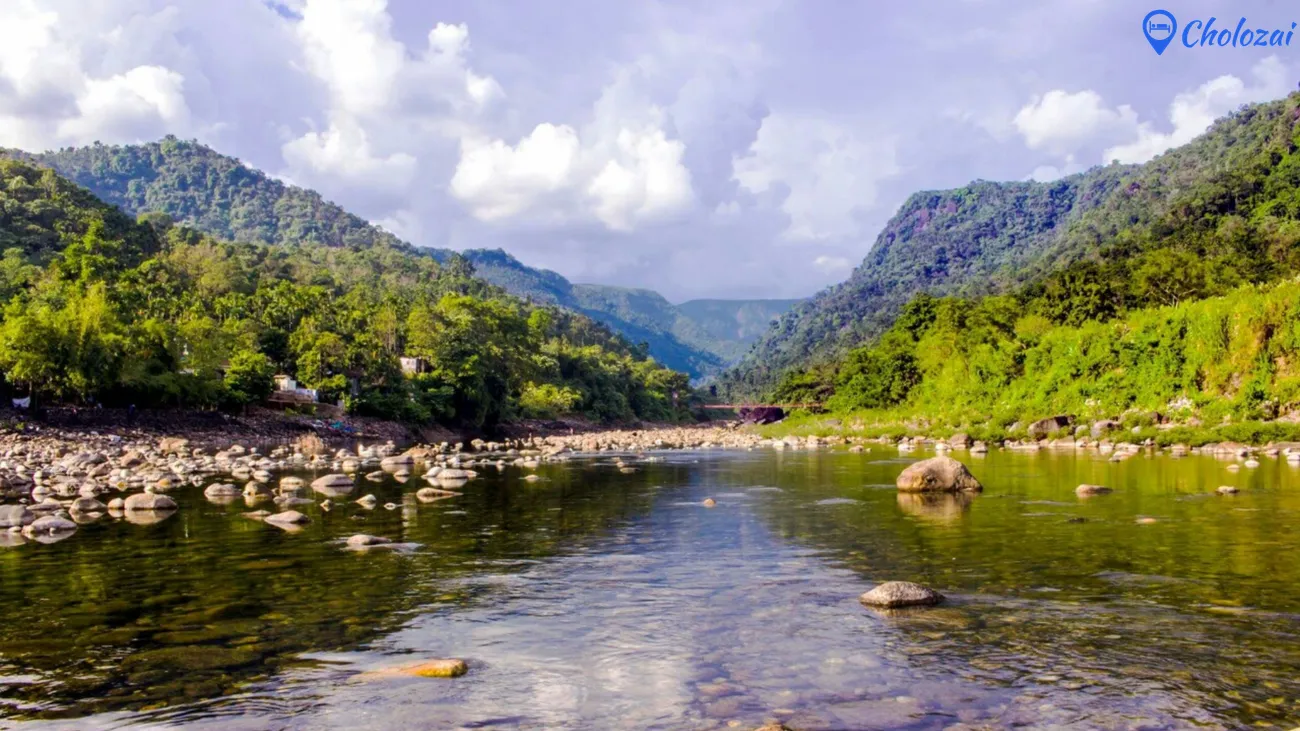
Located near the Bangladesh-India border, Jaflong is famous for its scenic views of the Meghalayan hills, river views, rock gorges and surrounding settlements. It is a well-established day trip destination from Sylhet and can also be linked to other attractions on the North-Eastern Travel Corridor.

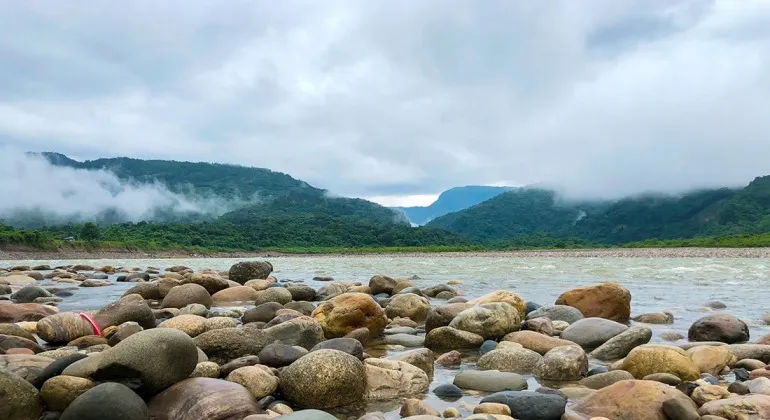
Located at the foothills of the Meghalaya Mountains, Bisnakhandi is known for its picturesque riverbeds, flowing streams and rocky terrain. It is particularly attractive to those who want to experience the natural geography of the Sylhet border region. Conditions and travel routes may vary depending on local water levels.

Bholaganj, especially its popular Saada Pathar area, is a well-established destination for seeing the white rocks, river views, and surrounding hilly landscape. It usually requires a special trip, rather than being included in a short city tour.

The Dibir Haor in the Jaintapur region is known for its wetland landscape and seasonal display of lotus flowers. It can attract photographers and travelers interested in rural landscapes, although the timing and intensity of flowering varies from year to year.

Lovachara offers an opportunity to explore the tea-growing terrain and natural environment of northern Sylhet. Travelers should arrange transportation in advance and check current permits for entry into tea gardens or protected areas.

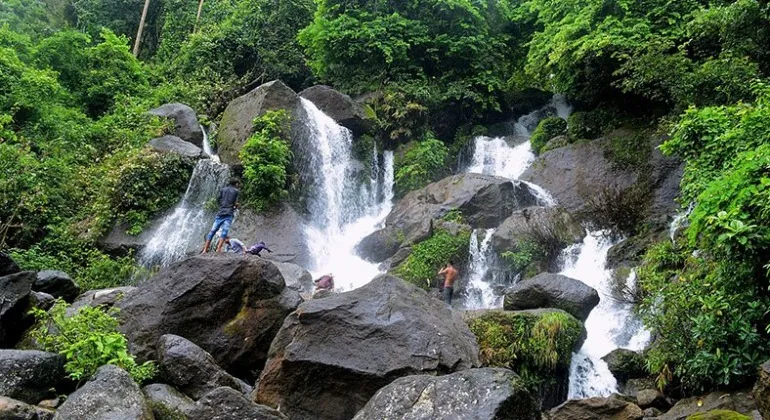
The Sangrampunji Falls in the Jaflong district, near the Meghalaya border, attract nature lovers eager to see the waterfall and the picturesque mountain scenery. Travelers must adhere to border restrictions, local access rules, and safety advisories; not every attraction or route is open to the public.

Dreamland Park offers a different kind of experience with its recreational facilities for family outings. It can be considered as a separate family activity after visiting the religious and historical sites of Sylhet. Check the current schedule and admission prices before traveling.

Nazimgarh Garden Resort is a great choice for travelers looking for a rural retreat or resort-based experience in the greater Sylhet area. Day trips, dining options, and other amenities may be limited to certain packages or registered guests.

Travelers heading to Jayantapur and Jaflong corridors can explore accommodation or leisure options associated with Jayanta Hills Resort. Before including it in your itinerary, make sure to check its current operational status, entry requirements, and reservation arrangements.

Satchari National Park is not located in Sylhet district, but in the neighboring Habiganj district, but it can be included in the larger Sylhet divisional itinerary. This protected forest is known for its woodlands and nature-centric activities. Travelers should plan a separate road trip and follow the park's conservation regulations.

Suggested planning method: Prioritize Hazrat Shahjalal Mazar, Hazrat Shah Paran's Tomb, Kin Bridge and Malnichera Tea Garden for one day in Sylhet city. If you have an extra two or three days, plan separate trips to Jaflong and Lalakhal, Ratargul Wetlands, Bisnakhandi or Bholaganj, depending on your interests and available transportation.

Frequently Asked Questions (FAQ)

Hazrat Shahjalal Shrine is located at the Dargah Gate of Dargah Mahalla in Sylhet Sadar District, Bangladesh . It is located near Amberkhana in central Sylhet and can be reached by local transport from Zindabazar, Kadamtali Bus Terminal and Sylhet Railway Station in a short time. Locally, the shrine is commonly known as Shahjalal Dargah or Shahjalal Mazar Sharif. Travelers should use the name of the specific shrine when asking for directions, as several important institutions in Bangladesh are also named after Hazrat Shahjalal.

Explore The Area

Top Attractions & Places to Visit in Sylhet

Discover more heritage, nature, and must-visit spots across Sylhet.

View all in Sylhet

Sangrampunji Waterfall Sylhet

Sangrampunji Falls, also known as Sangrampunji Jharna or Mayabi Jharna, is a beautiful natural attraction near Jaflong i...

Shafayet Al-Anik

Kin Bridge, Sylhet – Complete Travel Guide to the Historic Surma River Bridge

The Keen Bridge in Sylhet , locally known as Keen Bridge or Kain Bridge, is one of the most well-known historical landma...

Shafayet Al-Anik

Bisnakandi, Sylhet – A Complete Guide to Pathar River, Meghalaya Hills and Scenic Boat Trips

Bisnakandi , also spelled as Bichnakandi, Bichnakandi or Bisnakandi, is one of the most spectacular natural tourist dest...

Shafayet Al-Anik

Ratargul Forest, Sylhet – Complete Travel Guide, Boat Rentals, Entry Fees and Travel Tips

Ratargul Wetland is one of the unique natural attractions in Bangladesh, offering a unique opportunity to travel in a wo...

Shafayet Al-Anik

Sylhet Shahi Eidgah

Sylhet Shahi Eidgah is one of the most important historical and religious sites in Sylhet city, Bangladesh. Located in t...

Shafayet Al-Anik

Malnichera Tea Garden, Sylhet – A Complete Travel Guide to the Historic Tea Gardens of Bangladesh

Malnichera Tea Estate, also known as Malnichera Tea Estate or Malnichera Tea Bagan , is one of the most historically sig...

Shafayet Al-Anik

Jaflong

Jaflong in Sylhet district of Bangladesh is one of the country's most famous natural tourist destinations, where clear r...

Shafayet Al-Anik

Ali Amjad's Clock Sylhet

Located on the banks of the Surma River near the historic Kin Bridge, Ali Amjad's Clock is one of the most well-known la...

Shafayet Al-Anik

logo ColoZai

ColoZai is a trusted travel guide and destination explorer platform in Bangladesh. We are making travel simple, authentic, and accessible for everyone.

Need Help ?

We are Always here for you! Knock us on Whatsapp (10AM - 10PM) or Email us.