Harishchandra Path Palace, Nilphamari, Bangladesh

Harishchandra Path Palace, Nilphamari, Bangladesh

Nilphamari
·

20 October 2026

Travel Overview & Quick Facts

Directions
Location
Nilphamari
Admission / Entry Fee
Free entry. Harishchandra Patha Prasad is an open archaeological mound, with no specific ticket counter. Budget around 20-40 taka per person for a one-way shared local transport from Jaldhaka to Khutamara, or 300-500 taka for a reserved local autorickshaw, including waiting time. These transport costs are approximate and should be verified locally.
Best Time to Visit
November to March, especially in the morning.
Opening Hours
Open during the day; no verified official opening hours.
Category / Type
Historical monuments, archaeological sites, cultural heritage, remote destinations

Introduction to Harishchandra Path Palace, Nilphamari, Bangladesh

Discover a little-known chapter of northern Bangladesh's past at Harishchandra Path Palace, also known as Harishchandra's Path, Raja Harishchandra Pot or Harishchandra's Mound. Located in Khutamara Union of Jaldhaka Upazila of Nilphamari District, this archaeological heritage site consists of a high earthen mound, traditionally associated with King Harishchandra.

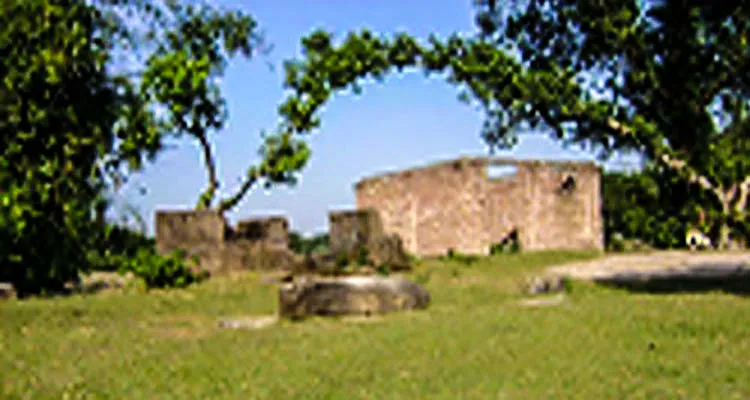
Located on the southern bank of the Charalkata River, this site offers a glimpse into the archaeological landscape and folkloric history of the region. Instead of a restored palace with intact rooms and an ornate facade, visitors are greeted by an open mound with large black stone blocks and traces of an old settlement. The surrounding agricultural countryside contributes to the quiet, rural atmosphere of the site.

Harishchandra Path Palace is particularly attractive to heritage lovers, photographers, students, researchers and those travellers who love to explore places off the beaten tourist trail. Its historical significance lies in the local heritage and the archaeological remains visible at the site; its exact date, identity of the original structure and the details of the ruler associated with it should be considered with caution until supported by further archaeological evidence.

Visitors exploring the district's heritage can also plan a larger trip to Dharmapal Garh Nilphamari, another historical site associated with the region's past. Together, these destinations introduce the different layers of history preserved throughout Nilphamari.


History and archaeological significance

Locally, Harishchandra Path is remembered as the ruins of a royal residence or palace associated with King Harishchandra. Stories associated with the king survive through local tradition and folklore, giving the site a cultural identity beyond its physical ruins.

According to local tourist information, the mound is spread over an area of ​​about one bigha of elevated land. It is said to have five distinct black stone slabs or fragments on its surface. The scattered masonry and the elevated ground have encouraged the idea that there was once a large structure here, although the exact function or age of the original building cannot be determined with certainty from the visible ruins alone.

The Charalkata River provides an important geographical context. The river and fertile plains have influenced settlement, agriculture, and movement across northern Bangladesh for generations. The location of this mound near the river is therefore a useful starting point for thinking about the relationship between historical settlements and their natural environment.

For responsible historical interpretation, distinguish between documented observations and local legends. Its association with King Harishchandra is part of the traditional heritage of the site, while claims regarding specific dynasty, date or royal buildings require independent archaeological confirmation. Visitors should refrain from removing stones, bricks or soil and should not excavate the mound.


What to see and what to do

Explore the archaeological mound

Walk around the high ground to appreciate its setting within the surrounding farmland. The mound itself is the main attraction, so it is a short and contemplative excursion rather than a destination with extensive visitor facilities.

Observe the remains of the stone.

Pay close attention to the large black stone fragments found on the mound. Their presence is an important part of the site's character, but visitors should not remove them, clean them vigorously, or attempt to uncover any objects buried underground.

Learn about local traditions

If residents are present and willing to talk, respectfully ask about the story associated with King Harishchandra and the name of the place. Oral accounts can help explain how historic sites remain meaningful to the surrounding community, although they should not automatically be interpreted as verified historical documents.

Enjoy rural photography

The high hills, open fields, and nearby river views can be interesting subjects for photography. Morning light is a good time to observe and photograph the site. Ask permission before photographing local residents or private property.

Leave time for a more extensive traditional itinerary.

Tourists interested in seeing the archaeological landscape can combine this trip with Dharmapala Garh . Those interested in religious architecture (Dharmapal Garh Nilphamari)can also consider visiting the chini Masjid, also known as Chini Masjid, in Saidpur, depending on the time available for the road trip.


Ticket prices and entry rules

Entry fee: Free. According to available travelogues, Harishchandra Path is an open archaeological mound with no regular ticket counters. No verified official ticket price list could be found.

Entry times: This place has no verified official opening hours. Plan to visit during the day, preferably in the morning, and check with local residents for entry if conditions are unclear.

Photography: Photographs of general natural scenery may be taken, provided that they do not disturb residents, damage archaeological remains, or disrupt agricultural activities.

Heritage Protection: Do not dig up the mound, collect pottery, remove stones or bricks, or make any alterations to it. Avoid climbing on unstable surfaces and follow any boundary or access instructions given by local landowners or heritage authorities.

Facilities: Don't assume that your destination will have toilets, drinking water facilities, shelters, ticket counters, parking facilities, or official guides. Carry drinking water, small notes, and personal items needed for traveling in rural areas.


How to reach

Harishchandra Path Palace is located on the south bank of Charalkata River, in Khutamara Union of Jaldhaka Upazila of Nilphamari District. The district administration has confirmed that this place can be reached by road from Nilphamari town. The last stretch of road is a local road, so take time to get directions.

By bus from Dhaka

Start your journey from any coach terminal in Dhaka that has connections to Nilphamari or Jaldhaka. Depending on the operator and date, day and night services may be available. Journey times and fares may vary, so confirm the current schedule and destination with the bus company before you start your journey.

After reaching Nilphamari or Jaldhaka, proceed towards Khutamara Union by local bus, shared auto-rickshaw, battery-powered three-wheeler or reserved car. Ask for Harishchandra Path, Harishchandra Pat or Raja Harishchandra Mound, as these local names are easier to recognize than the English name of the palace.

By train from Dhaka

Check Bangladesh Railway services from Dhaka to Nilphamari or Saidpur. Nilsagar Express and Chilahati Express are among the services connected to this Northern Rail Corridor; check the current operating days, stop stations, seat availability and fares before travelling.

Arrange for road transport from Nilphamari railway station to Jaldhaka and Khutamara. If you reach Saidpur, proceed by road towards Nilphamari or Jaldhaka and then arrange for local transport to reach the destination.

By air from Dhaka

If available on your travel date, arrive at Saidpur Airport on a scheduled domestic flight from Dhaka. From the airport, rent a car or arrange for local transport to travel to Jaldhaka and Khutamara. The rest of the journey will be by road and the airport is not within walking distance of the tourist attractions.

From Nilphamari District Headquarters

From Nilphamari town, head towards Jaldhaka Upazila by road. Upon reaching Jaldhaka, take a local bus or shared auto going towards Khutamara Union and ask the locals for directions to Harishchandra Path. If you want convenience for the last part, a reserved auto-rickshaw or CNG-powered car is a convenient option.

Local transportation and estimated fare

  • Shared local autorickshaw: The one-way fare per person from Jaldhaka to Khutamara is around 20–40 taka, depending on the route and drop-off location.
  • Reserved autorickshaw or CNG: Approximately ৳300–৳500 for local journey including waiting time; confirm the full fare before starting the journey.
  • Transportation from Nilphamari town: A reserved vehicle can be convenient for commuting and additional breaks. Ask the driver for the fare, as the fare depends on the type of vehicle, duration, and distance.

These figures are estimates of local travel, not verified current transportation fares. Confirm all fares on the day of travel. Vehicle availability may decrease in the afternoon, so make arrangements for your return trip before you begin your trip.

Finding the final solution

Where available, use a verified navigation pin and verify the destination with the residents of Khutamara. The final section may involve a narrow village road or a short walk from the nearest vehicle-accessible point. Do not assume that every route is suitable for private vehicles all year round.

Harishchandra Path Palace, Nilphamari, Bangladesh

GPS: 25.9522, 88.9176
Get Directions

Where to eat

Harishchandra Path Palace is a rural heritage site, not a developed tourist destination. Therefore, visitors should not expect restaurants or well-organized food services near this mound. Plan to eat in Jaldhaka town or in the local market area before or after this trip.

Depending on the establishment and time of day, small local food stalls and tea stalls may offer rice, pulses, vegetables, fish or other everyday Bangladeshi foods. Availability and prices vary, so it is best to check locally rather than assuming that shops are open.

Take drinking water and light snacks with you, especially if you are traveling with children or spending extra time exploring the countryside. Take all packages and garbage with you and do not throw waste near archaeological mounds or river banks.


Where to stay?

For overnight stays, you can consider staying in Nilphamari town, Jaldhaka, or Saidpur. The most convenient option depends on your transportation arrangements, budget, and whether you want to explore other attractions in the district.

For a comprehensive tourism plan, Nilphamari city can be the center of the trip, while Saidpur can be convenient for travelers arriving by train or plane. If you have accommodation on your scheduled dates, Jaldhaka can reduce the need for repeated road trips.

Choose an established hotel or guesthouse before you travel and check room availability, current rates, check-in arrangements, and transportation options. Amenities and standards vary between establishments, so check the latest information rather than relying on a vague list.

If you are planning to visit multiple historical sites, you may want to consider combining the Dharmapal Garh Nilphamari tour with the Harishchandra Path before returning to your accommodation. This approach can make better use of a day spent exploring the Jaldhaka area.


Advice for visitors and responsible travel

  • Travel during the day and it is best to start your journey in the morning to allow enough time for local transportation.
  • Keep small notes with you, as you should not assume that there will be digital payment systems and ATMs nearby.
  • Wear comfortable shoes suitable for walking on uneven terrain and rural roads.
  • Bring drinking water and sun protection, as there may be little or no shade in the open mound.
  • Ask permission before entering farmland, crossing private land, or taking photos of residents.
  • Do not remove stones, bricks, soil, or any other objects from the site.
  • Make sure you have a return vehicle before you go on a trip, especially if you are traveling alone.
  • If the road is muddy or difficult to navigate, check the road conditions and seek advice from locals.

This fascinating site is best viewed as a simple archaeological excursion rather than a full-fledged tourist destination. Its appeal lies in its landscape, surviving material artifacts, and associated heritage. A respectful visit helps preserve the importance of the site for future tourists and the surrounding community.


Nearby attractions

Nilphamari has a diverse mix of archaeological ruins, historic religious buildings, railway heritage and natural landscapes. If you have extra time, you can consider the following attractions as part of a larger district itinerary. You should consider the distance and travel time based on your starting point and current road conditions.

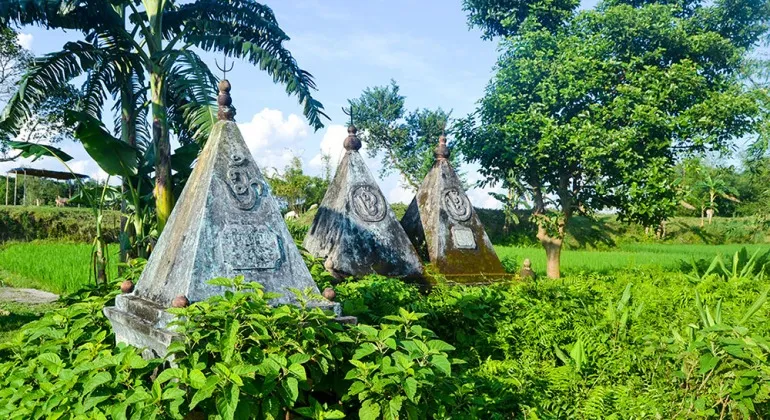
Explore another historical site associated with the region's early settlement heritage in the Jaldhaka area. It is a natural companion for travelers interested in archaeological landscapes and local history.

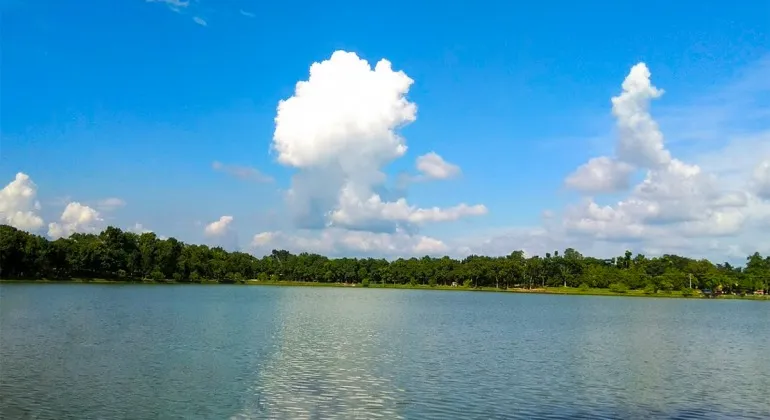
Nilsagar is a historic lake and recreation center in Gorgram Union, Nilphamari Sadar. Its waterfront views and seasonal birdlife provide a different experience from the archaeological mounds.

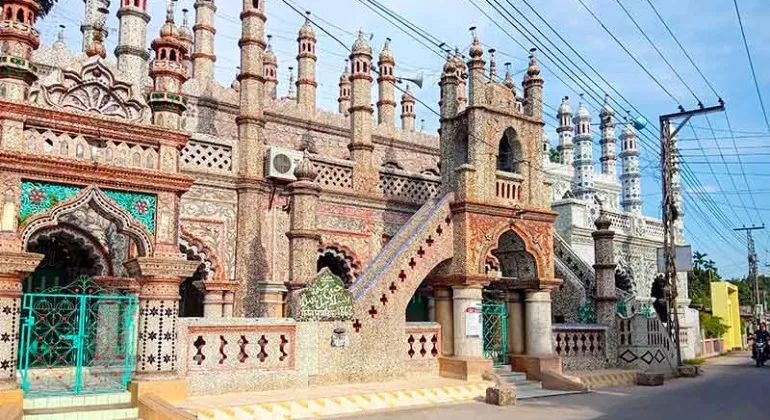
This unique mosque located in Saidpur is known for its ornate pottery and stonework. It offers an experience of architectural and religious heritage, which creates a contrast with the open landscape of Harishchandra Path.

Visit the Teesta Barrage area to enjoy the scenic views of the river and get a basic understanding of water management in northern Bangladesh. Check local transportation conditions and plan separate trips if necessary.

Explore the railway heritage of Saidpur, a town closely associated with the development of railway engineering and rail transport in the region. Access to the working workshop areas may be restricted, so check visitor permits before planning a trip.

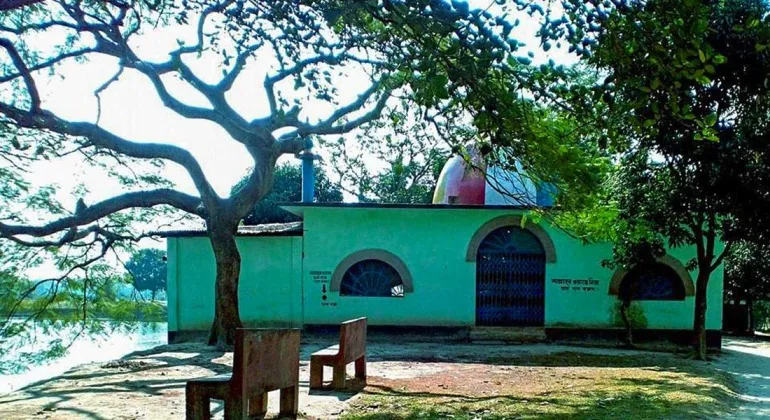
This religious heritage site can add architectural and cultural diversity to an area's itinerary. Make sure its location, access arrangements, and services or other activities do not create barriers to visitor access.

You may consider visiting the Kund Pukur shrine to learn about local religious traditions and tribal heritage. Please observe proper etiquette and be respectful of worshippers during your visit.

For an effective itinerary, combine Dharmapala Garh with Harishchandra Path while touring Jaldhaka, then plan separate trips to the historical sites of Nilsagar or Saidpur, depending on your transportation arrangements.

Frequently Asked Questions (FAQ)

Harishchandra Path Palace is located in Khutamara Union, Jaldhaka Upazila, Nilphamari District, Rangpur Division, Bangladesh. It stands on high ground on the south bank of the Charalkata River. Local names include Harishchandra Path and Raja Harishchandra Pat.

Explore The Area

Top Attractions & Places to Visit in Nilphamari

Discover more heritage, nature, and must-visit spots across Nilphamari.

View all in Nilphamari

Sugar Mosque

Chini Mosque, also known as Chini Mosque or Glass Mosque , is one of the unique heritage attractions of Saidpur in Nilph...

Shafayet Al-Anik

Teesta Barrage

Teesta Barrage, also known as Teesta Barrage or Dalia Barrage , is one of the most significant engineering feats and a r...

Shafayet Al-Anik

Nilsagar Nilphamari – Historic Lake, Bird Sanctuary and Travel Guide

Nilsagar Nilphamari, also known as Nilsagar Dighi, Nil Sagar or Binna Dighi , is one of the unique natural and historica...

Shafayet Al-Anik

Dharmapal Garh Nilphamari, Nilphamari, Bangladesh

Dharmapaler Garh , also known as Dharmapalgarh or Garh Dharmapal, is an archaeological heritage site located in Garh Dha...

Shafayet Al-Anik

Kundo Pond Shrine Nilphamari

Kundo Pukur Shrine, also known as Kundupukur Shrine, is a revered Sufi shrine located in Kundupukur Union of Nilphamari ...

Shafayet Al-Anik

Roman Catholic Church Nilphamari

Roman Catholic Church Nilphamari, commonly known in travel information as Saidpur Roman Catholic Church, is a historic C...

Shafayet Al-Anik

Saidpur Railway Workshop

Saidpur Railway Workshop, also known as Saidpur Railway Factory or Saidpur Railway Factory, is one of the most important...

Shafayet Al-Anik

logo ColoZai

ColoZai is a trusted travel guide and destination explorer platform in Bangladesh. We are making travel simple, authentic, and accessible for everyone.

Need Help ?

We are Always here for you! Knock us on Whatsapp (10AM - 10PM) or Email us.