By bus from Dhaka
Step 1: Take an intercity bus from Gabtoli or Kalyanpur area of Dhaka to Rajshahi and get off at Natore or any stop convenient to you. The journey usually takes 5-7 hours depending on traffic, route and stop arrangements.
Step 2: In Natore town, find a CNG auto-rickshaw, local auto-rickshaw or any other available transport to go to Patul Ghat or the appropriate Halti Beel entry point.
Step 3: Make sure the driver will take you directly to the intended pier, or just to a nearby junction. During the rainy season, some roads or entrances may be affected due to water levels.
For planning purposes, allow approximately ৳500–৳1,300 or more for one-way intercity bus tickets, depending on the operator and seat category, and approximately ৳30–৳100 per person for shared local rides (where such fares are available). These are estimates, not verified current prices; reserved vehicles cost more.
By train from Dhaka
Step 1: Check the current Bangladesh Railway timetable for intercity services from Dhaka to Natore railway station. Train names, stoppage types, operating days and fares may change, so book tickets by checking the official timetable rather than assuming that every northbound service stops at Natore.
Step 2: From Natore Railway Station, head towards the local transport area of the city and arrange for a CNG or auto-rickshaw to take you to the Patul Ghat or the guaranteed entry point to the wetlands.
Step 3: If you plan to stay until sunset or are traveling during a busy holiday, make arrangements to return in advance.
Train fares vary depending on class and availability. A one-way ticket can cost approximately 400–1500 taka or more, and it is recommended to check the actual fare with Bangladesh Railways before starting the journey.
By air from Dhaka
There are no confirmed scheduled commercial flights directly to Halti Beel. Travelers planning to travel by air should check whether commercial services are available at Shah Makhdum Airport in Rajshahi on their travel dates and then arrange for a road trip to Natore. From Natore, continue your journey to the wetlands by local transport. For most travelers, a direct bus or train is a more convenient option.
From Natore District Headquarters
Step 1: Start your journey from Natore town and look for vehicles to go to Patul or Patul Ghat, the recognized area for entering Halti Beel.
Step 2: Use shared auto-rickshaws where available, or negotiate for a pre-booked CNG, auto-rickshaw, or car if traveling with family or a group.
Step 3: Confirm fare, destination, waiting time and return arrangements before starting the journey. Published local guidelines mention a shared fare of around 20-30 taka per person in some cases, but the actual fare depends on the route, date, vehicle and passenger demand. Reserved vehicles will cost more.
The journey from Natore town to a nearby entrance is described as taking around 30-45 minutes, although this time may increase due to traffic, road conditions, and specific destinations. Ask the driver to confirm the route and current conditions.
Use of local transportation and vehicle rentals
CNG auto-rickshaws, shared autos, local vans, motorcycles, and privately rented cars are available in and around Natore. Their availability varies depending on the season and time of day. For a group, a reserved vehicle can provide greater convenience than relying on multiple shared connections.
As a rough budget, allow around 200-800 taka or more for a short-distance reserved local ride, depending on the vehicle, wait time, route, and bargaining. This is a rough estimate, not a verified fare. Ask if the quoted price includes the return journey and waiting time.
Nearby attractions and directions suggestions
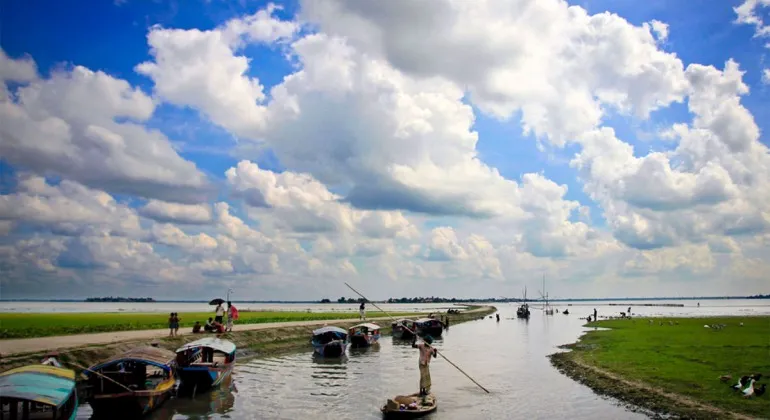
Patul Ghat and the Patul-Khajura road act as helpful guides while planning a trip. The exact destination should be chosen based on seasonal travel convenience and whether you want a scenic spot from the roadside or a place to launch boats. Since Halti Beel is spread over a vast area, a specific signpost for the entire wetland cannot guide a vehicle to the correct entrance.
Important: Before setting off, especially during the rainy season, confirm the current route with a local driver. Do not attempt to drive through standing or flowing water unless you are sure of the water depth and road conditions.




 ColoZai