Hakaluki Haor, Moulvibazar – Complete Travel Guide, Boat Trips, Bird Watching, Cost & Travel Tips

Hakaluki Haor, Moulvibazar – Complete Travel Guide, Boat Trips, Bird Watching, Cost & Travel Tips

Moulvibazar
·

15 October 2026

Travel Overview & Quick Facts

Location
Moulvibazar
Admission / Entry Fee
General entry to Hakaluki Haor is free, as it is an open natural wetland rather than a ticketed tourist park. Visitors are required to pay separately for boat hire, guides, local transport, food and any charges applicable to the managed facilities. As an approximate budget, a privately hired boat can cost around ৳1,000–৳2,000 for a short trip or ৳2,000–৳4,000 for a longer trip, depending on the season, route, boat and passenger capacity. These are estimates for planning purposes, not official fixed fares. Confirm all costs locally before setting off.
Best Time to Visit
July to October for boat trips; November to February for migratory bird watching
Opening Hours
Open 24 hours (natural wetland; daytime visits are recommended, and boat operations are subject to local conditions)
Google Rating
★ 4.5 (462 reviews)
Category / Type
Natural wetlands, bird watching destinations, nature and wildlife, scenic boat trips

Introduction to Hakaluki Haor, Moulvibazar – Complete Travel Guide, Boat Trips, Bird Watching, Cost & Travel Tips

Hakaluki Haor is one of the most significant freshwater wetlands in Bangladesh, with extensive water bodies, extraordinary birdlife, traditional fishing communities, and scenic boating opportunities. This vast wetland, spanning parts of Moulvibazar and Sylhet districts in northeastern Bangladesh, is the largest haor in the country and widely recognized as one of the most important freshwater wetland ecosystems in Asia.

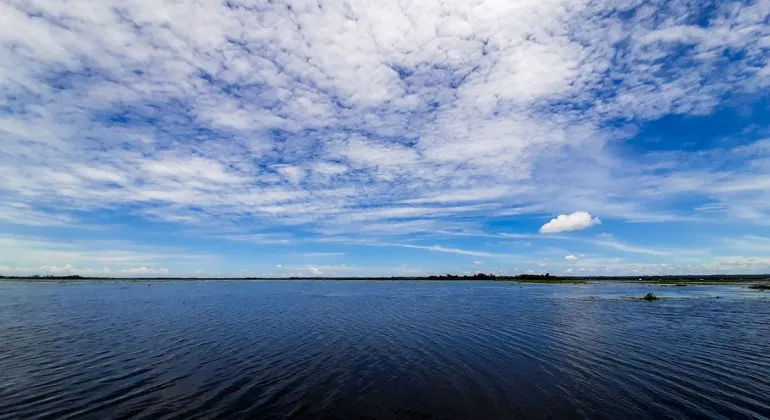
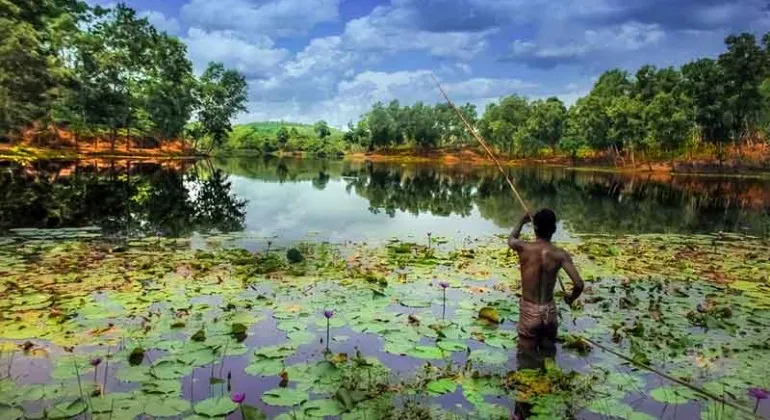
Spread over an area of ​​about 181 square kilometers, Hakaluki Haor consists of a complex network of more than 238 interconnected beels, rivers, canals, wetlands, and seasonally flooded agricultural lands. Its landscape changes dramatically throughout the year. During the rainy season, numerous isolated water bodies merge into one vast body of water. As the water level recedes, shallow water bodies, grasslands, agricultural lands, and bird habitats gradually become visible.

The wetland is spread across Baralekha, Kulaura and Juri upazilas of Moulvibazar district and Fenchuganj and Golapganj upazilas of Sylhet district. As a result, there are multiple possible entry points to Hakaluki Haor rather than one main entrance. Visitors should choose their starting point according to the season, preferred activities and boat availability.

For travelers who love peaceful scenery, wildlife photography, and an authentic rural experience, Hakaluki Haor is a rewarding alternative to conventional tourist destinations. A typical trip might include visiting fishing villages, boating along the waterways, observing migratory birds, exploring easily accessible scenic spots, and watching the sunset over the wetlands.

Moulvibazar's diverse natural attractions are particularly appealing to tourists. While Lawachara National Park showcases the biodiversity of tropical forests and Madhabpur Lake offers a tranquil lake experience surrounded by tea gardens, Hakaluki Haor introduces visitors to the ecological importance and unique characteristics of Bangladesh's northeastern floodplains.

Important travel information: Hakaluki Haor is a vast, environmentally sensitive landscape, not a centrally managed amusement park. Access conditions, boat availability, seasonal water levels, and wildlife viewing opportunities vary from location to location. Visitors should check local arrangements before traveling.

Natural features and ecological importance

One of the largest freshwater wetlands in Bangladesh

Haors are distinctive bowl-shaped floodplains located in the northeastern part of Bangladesh. These areas accumulate large amounts of water during the rainy season and become a complex mix of wetlands, agricultural land, and permanent water bodies during other seasons.

Hakaluki Haor is particularly important due to its extraordinary geographical extent and interconnected aquatic habitats. The wetland covers an area of ​​approximately 18,000 hectares, although published estimates of its total seasonal inundation vary depending on the boundaries and measurement methods used.

During major floods, isolated beels merge to form an almost continuous body of water. When the water recedes, individual lowlands and channels reappear, providing essential habitat for fish, aquatic plants, and waterfowl.

A protected and environmentally sensitive landscape

The Government of Bangladesh has declared Hakaluki Haor as an Environmentally Critical Area (ECA) . It is also recognized for its importance for bird conservation. These classifications reflect the fragility of its wetland ecosystem and the need to protect the habitat from pollution, over-exploitation of natural resources, and other disturbances.

This haor supports fish breeding, water conservation, local agriculture, fisheries, and the livelihoods of the surrounding communities. Its freshwater habitats contribute to greater regional biodiversity and serve as important seasonal refuges for wildlife.

Travelers need to understand the difference between an ecologically critical area and a conventional national park. Hakaluki Haor is a mix of working land, settlements, and water bodies, where traditional ways of life continue alongside conservation activities.

Bills, canals and aquatic plants

The wetland contains over 238 interconnected beels, although scientific and administrative records vary in their number and classification. Some beels are year-round, while others have strongly seasonal flows.

These water bodies provide shelter to aquatic plants, grasses, reeds, fish, and countless other creatures. When the floodwaters recede, the exposed edges of the wetlands become particularly attractive to feeding waterfowl.

The ecological significance of Hakaluki Haor is best understood by looking at it not just as a large lake, but as a diverse habitat. Its waterways, seasonal grasslands, farmland, and nearby villages combine to create a dynamic wetland environment.


Best things to see and do

1. Explore Hakaluki Haor by boat

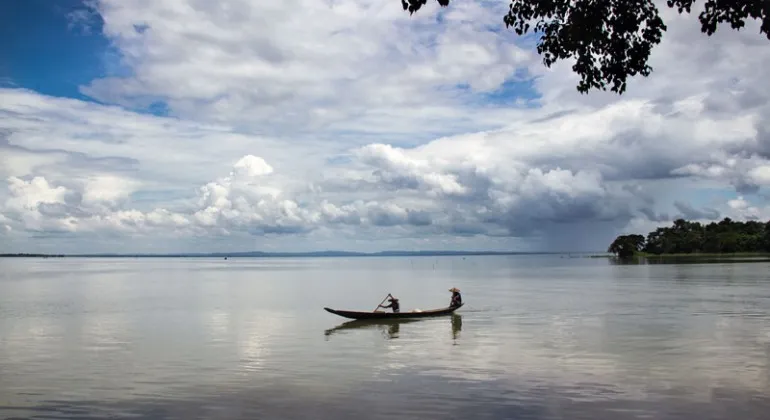
Traditional wooden boats or locally operated motorboats are one of the most memorable ways to tour Hakaluki Haor. Depending on the water level and the location of the trip, the boat ride can pass through open water bodies, narrow canals, fishing areas, and wetland vegetation.

The most suitable route depends on the season. During periods of heavy flooding, more waterways may be navigable. When water levels are low, boaters must choose accessible channels and permanent embankments.

  • Short Trip: About 1-2 hours for those who want a short experience near an easy landing spot.
  • Long boat trip: Approximately 3-5 hours to take photos, enjoy local scenery, and visit selected wetland attractions if the route is favorable.
  • Longer expeditions: Depending on navigation conditions and conservation restrictions, it may be possible to arrange half-day or full-day trips with experienced local operators.

Always confirm the route, total duration, passenger capacity, return time, and life-jacket availability before boarding the plane.

2. Watch migratory birds

Hakaluki Haor is an important seasonal destination for migratory waterfowl, especially between November and February, although the timing and bird numbers vary each year.

Visitors can see ducks, geese, cranes, grebes, waterfowl, sandpipers, and other wetland birds. Species sightings are never guaranteed, and bird densities depend on habitat conditions, environmental disturbances, and seasonal movements.

For successful bird watching, go early in the morning or late in the afternoon, bring binoculars, and seek guidance from an experienced local naturalist or boatman. Maintain a respectful distance from feeding and resting birds.

Wildlife enthusiasts can also consider baikka Beel, another well-known wetland and bird watching destination in Moulvibazar district .

3. Enjoy taking pictures of the sunset.

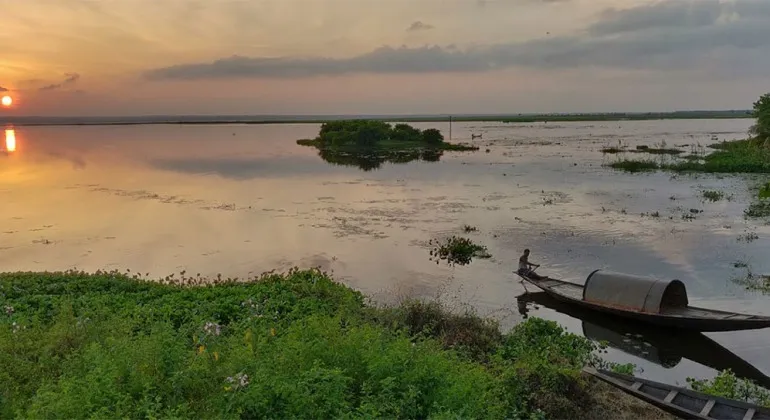
The expansive horizon of Hakaluki Haor creates excellent opportunities for landscape photography. The reflections on the water, the silhouettes of fishing boats, the distant trees, and the changing colors of the sky make the late afternoon especially captivating.

During periods of heavy flooding, the marshland resembles an inland sea. When the water level recedes, the exposed banks and vegetation serve as additional foreground material.

Visitors planning to photograph the sunset should make arrangements to return safely to their departure point before dark. Sailing after sunset is not recommended for general tourist travel.

4. Experience traditional fishing communities

Fishing is a major part of life around Hakaluki Haor. Depending on the season, visitors can see traditional fishing boats, nets, landing sites, and rural markets where locally caught freshwater fish are sold.

These activities provide insight into the relationship between local livelihoods and the wetland ecosystem. Travelers should observe with respect, ask permission before photographing any animals, and refrain from interfering with fishing activities.

5. Visit accessible observation towers and sightseeing spots

Observation towers and wetland viewing centers have been constructed in parts of the Hakaluki Haor area. Where these are operational and accessible, they provide elevated views of the surrounding landscape.

However, facilities may vary and not all observation towers may be accessible from every pier. Visitors should ensure that any particular tower is currently open, structurally safe, and accessible from their planned route.

6. Discover the seasonal wetland landscape

One of the most fascinating aspects of Hakaluki Haor is its changing appearance throughout the year. What looks like a vast lake during the rainy season can become a sprawling landscape of fishing canals, shallow water bodies, agricultural land, and bird habitats later in the year.

This seasonal change is an attraction in itself for travelers interested in geography, ecology, and rural Bangladesh.


Best time to visit Hakaluki Haor

Hakaluki Haor can be enjoyed year-round, but the ideal time to visit depends on whether visitors prefer expansive water views, boating, or migratory bird watching.

Duration General situation Recommended experience
July–October Extensive seasonal flooding often connects vast areas of wetlands. Beautiful boat trips, aquatic landscapes and photography.
November–February Usually the water level drops and seasonal migratory birds occupy suitable habitats. Bird watching, wildlife photography, and exploring the edges of accessible wetlands.
March–April Many shallow areas become exposed and agricultural activities become visible around some parts of the floodplain. Rural landscapes, rural experiences and selected permanent water bodies.
May–June Water levels may start to rise, but navigation conditions vary widely. There is an opportunity for boat trips if the seasonal scenery and conditions are favorable.

Best time for boat trips

July to October is generally a fruitful time for those wishing to experience this vast and interconnected body of water . However, its actual navigability depends on seasonal flooding, currents, winds, and local restrictions.

Best time to watch birds

The best time to observe migratory waterfowl is usually from November to February . Early morning is especially beneficial, as birds can then feed or rest in open wetland areas.

Best time of day

Plan to visit the sights between approximately 7:00 AM and 5:00 PM, depending on local daylight hours and boat availability. These are suggested times for visiting, not officially published opening times.

Visitors should avoid traveling to open water bodies if there are strong winds, lightning, low visibility, or any other dangerous conditions.


Ticket prices, boat rentals and entry rules

Hakaluki Haor entrance fee

General admission to Hakaluki Haor is free. As it is an extensive natural wetland rather than a single ticketed attraction, there is no specific general admission ticket for visiting this area.

However, visitors may be required to pay for private boats, local guides, vehicle transfers, parking, or use of certain managed facilities. Any locally imposed charges should be confirmed at the relevant location.

Estimated inspection cost

Expenses Estimated cost Important notes
Entry into common wetlands Free There are no general admission tickets.
Short private boat trip Approximately ৳1,000–৳2,000 per boat This is an illustrative estimate; the actual value depends on the period and operator.
Longer boat trips Approximately ৳2,000–৳4,000 per boat Confirm routes, operating times, and passenger capacity.
Local CNG Auto-Rickshaw Transfer Approximately ৳100–৳500 for short-term transfers Distance, sharing arrangements, and local demand affect fares.
Local guide Negotiable Agree in advance on the services, duration, and total payment.
Food and drink Approximately 150-400 taka per person Depending on food selection and availability.

Pricing Disclaimer: The above amounts are approximate allowances for travel planning, not verified tariffs as of October 2026. There is no standard boat rental schedule for each landing site around Hakaluki Haor.

Practical entry and security rules

  • Wear a life jacket of the correct size while sailing.
  • Do not board a ship that is overloaded with passengers or a boat without adequate safety equipment.
  • Respect fish sanctuaries, protected habitats, and any locally restricted waterways.
  • Do not catch, feed, chase, or disturb wild birds and other animals.
  • Avoid playing loud music, especially near gatherings of migratory birds.
  • Take plastic bottles, food wrappers, and all other waste to the appropriate waste disposal center.
  • Obtain permission before using a drone or conducting any activities that require special approval.
  • Follow the instructions of relevant local authorities and experienced boat drivers.

For a comfortable and safe experience, agree on the full fare before the trip begins and avoid making assumptions about the availability of toilets, drinking water, or rescue facilities in remote areas of the wetlands.


How to reach

Spread over a large area of ​​northeastern Bangladesh, Hakaluki Haor can be accessed from various directions. For tourists coming via Moulvibazar, it is usually most convenient to go via Kulaura, Juri or Barolekha. Tourists coming from Sylhet city can use the Fenchuganj direction instead.

There is no single road that takes you to every part of the wetlands. The final stage of the visit usually involves arriving at a suitable local landing place or viewing point and hiring a boat as needed.

1. By bus from Dhaka

Intercity buses connect Dhaka with Moulvibazar, Srimangal and parts of the greater Sylhet region. Passengers can start their journey from any suitable intercity bus terminal in Dhaka, including routes departing from the Sayedabad area, and choose a service that provides convenient connections towards Kulaura or Barlekha.

  1. Travel from Dhaka to Moulvibazar or any other suitable regional transport hub.
  2. Continue your journey towards Kulaura, Juri or Barlekha by local bus, rented car or CNG auto-rickshaw.
  3. Depending on the season, look locally for an easily accessible sightseeing spot or boat launch in Hakaluki Haor.
  4. Arrange a boat according to your travel plans or explore the easily accessible coastline.

Allow approximately 5-7 hours or more for major intercity journeys, depending on destination, traffic, and route. Additional travel time will be required to reach the wetlands.

For a basic budget, non-AC intercity bus fares can be around 500-900 taka per person, while AC services can cost more. These are approximate ranges, not guaranteed prices by the operator.

2. By train from Dhaka

Train travel is a convenient way to reach the eastern part of Moulvibazar district. The Dhaka-Sylhet rail corridor connects important regional stations including Srimangal and Kulaura.

  1. Board a suitable train bound for Sylhet from Kamalapur Railway Station in Dhaka or any other station with scheduled services.
  2. Choose Kulaura Railway Station as your planned entry point to Hakaluki Haor if it is convenient.
  3. Arrange local road transport to travel from Kulaura to the selected landing area.
  4. Complete the trip with a locally organized boat trip as needed.

Trains operating on the Dhaka-Sylhet corridor include Parabat Express, Jayantika Express, Upaban Express and Kalni Express. You must check the availability, stoppage pattern and schedule of the trains for your intended travel date.

The approximate rail travel budget per person can range from 300 to 1,200 taka depending on the class and destination. Check current seat availability and fares through the official ticketing system of Bangladesh Railway.

3. From Moulvibazar District Headquarters

Moulvibazar town is a convenient starting point for reaching the haor via Kulaura, Juri or Barlekha. The district administration has described the travel distances using different locations in this vast wetland, so travelers should not rely on a single distance for each entry point.

  1. Travel from Moulvibazar town towards Kulaura or Barlekha by regional bus or rented car.
  2. If necessary, proceed to the Jury or another locally recommended entrance.
  3. Confirm the final road conditions, boat dock location, and boat service availability.
  4. Agree on return transportation arrangements before entering remote wetland areas.

The entire transfer can take approximately one and a half to three hours or more, depending on the chosen entry point, route, and traffic congestion. Local bus fares vary, while reserved CNG autorickshaws and private vehicles are usually more expensive.

4. From Sylhet city via Fenchuganj

For travelers who are already staying in Sylhet city, traveling through Fenchuganj may be convenient.

  1. Travel to Fenchuganj by bus, car, or CNG auto-rickshaw.
  2. Head towards Ghilachhara Zero Point, a documented route to the wetlands adjacent to Sylhet.
  3. Please check the current availability of boats or accessible attractions before proceeding.

According to government tourism information, it takes about an hour to travel from Sylhet to Fenchuganj by road, depending on the starting point and traffic congestion. According to local administrative information, the distance from Fenchuganj headquarters to Ghilachhara Zero Point is about 6 kilometers.

5. By air

The nearest major commercial airport in the greater region is Osmani International Airport in Sylhet . Passengers arriving from Dhaka or other connected airports can continue their journey by rented car or regional transport to Fenchuganj, Kulaura or any other selected wetland entry point.

Hakaluki Haor does not have its own commercial passenger airport. Flight schedules and fares depend on airline availability and travel dates.

6. Vehicle rental and local transportation

For families, photography teams, and travelers carrying equipment, renting a private car or microbus can make travel between stations, hotels, and wharves easier.

  • Local buses: This is usually the most economical way to travel between major cities, although it may require bus changes and additional short-distance transfers.
  • CNG autorickshaw: Suitable for short-distance regional travel and reaching small towns.
  • Private car: Perfect for flexible schedules, family trips, and visiting multiple places in one day.
  • Microbus: Convenient for large groups traveling together.
  • Boat: Essential for reaching many parts of the wetlands during widespread flooding.

Vehicle rental prices can vary significantly based on distance, rental period, fuel, waiting charges, and return arrangements. Ask for a full price list, rather than assuming that a one-way fare includes a return trip.

Nearest transportation hub

  • Kulaura Railway Station
  • Kulaura town and surrounding road connections
  • Jury City
  • Barlekha city
  • Fenchuganj Headquarters
  • Sylhet-surrounding system's chaotic zero point
  • Locally operated boat docks along the perimeter of the wetlands

Directions: Because Hakaluki Haor spans a large geographic area, a simple map marker may indicate a wetland rather than an active boat terminal. Please confirm your desired landing location separately with a local guide, transportation provider, or accommodation organizer.


Suggested itinerary for a one-day trip

A well-planned day trip allows visitors to fully enjoy Hakaluki Haor without rushing. The following sample itinerary is based on the assumption that you are already staying in Moulvibazar, Kulaura, or another convenient location nearby.

Time Recommended activities
7:00 AM–8:00 AM Breakfast and departure to the selected wetland entrance.
8:00 AM–9:00 AM Meet the boat driver, confirm the route, and check safety equipment.
From 9:00 AM to 11:30 AM Enjoy a scenic boat ride or guided bird watching tour depending on the season.
11:30 am–12:30 pm Visit an easily accessible tourist attraction or respectfully observe the surrounding rural life.
12:30–2:00 PM Lunch and rest in a nearby town.
From 2:00 PM to 4:00 PM Visit other accessible wetland attractions or take photos of the natural scenery.
4:00 PM–5:00 PM Complete the return journey while there is still daylight.

Seasonal adjustments: For bird watching, prioritize wildlife observation in the early morning. For photographing wide bodies of water, a long, scenic boat trip can be more productive when navigation conditions are favorable.

This itinerary is indicative and should be modified according to actual travel distance, available boats and local conditions. It may be impractical to travel to the various remote entrances of Hakaluki Haor in one day.


Where to eat

Food facilities around Hakaluki Haor are of a rather modest standard compared to major urban tourist destinations. Although small tea shops, local restaurants and village markets operate in the surrounding settlements, visitors should not expect reliable full-service dining at the remote boat docks or in the open wetlands.

Local restaurants in Kulaura, Juri and Barlekha

These towns are convenient places to grab breakfast or lunch before heading further into the wetlands. Typical meals may include rice, lentils, a variety of vegetables, chicken curry, and seasonal freshwater fish.

Food availability and prices vary by restaurant, season, and market conditions. It is usually more convenient to choose a busy and healthy establishment in the city than to rely on finding food in a remote location.

Freshwater fish and regional cuisine

Freshwater fish are closely associated with the local food culture of the haor region. Depending on the season, various indigenous freshwater fish species may be served as curries or fried dishes in local markets and restaurants.

Visitors should select food from established food service establishments and refrain from purchasing wildlife or fish products collected in violation of local conservation restrictions.

Snacks and tea

Tea, biscuits, roti, paratha, singara and other simple snacks can be found in small roadside shops. Such facilities may be quite limited away from the main settlements.

What to take with you on a boat trip

  • There will be sufficient drinking water for every passenger.
  • A light snack or packed lunch for long journeys.
  • Use reusable bottles and containers to reduce plastic waste.
  • Any necessary personal medications.
  • A bag to collect all the waste generated during the trip.

If your itinerary leads you to Srimangal, its well-established restaurant scene and tea culture will give you some more options. (Tea garden) Tourists visiting the tea gardens around Moulvibazar can also include a tea tasting break on their long district-wide itinerary.


Where to stay?

Accommodation is limited right next to the remote area of ​​Hakaluki Haor. Visitors generally choose established towns such as Kulaura, Moulvibazar or Srimangal for overnight stays, depending on their chosen entry route and larger itinerary.

Low budget accommodation in Kulaura and surrounding towns

For travelers primarily interested in seeing the wetlands, locally run hotels and guesthouses in cities with convenient transportation may be more practical than more distant accommodations.

You can get basic rooms at relatively cheap prices, but there are significant differences in cleanliness, security, hot water, air conditioning, and the convenience of online reservations. Check the current hotel listings and reviews before you travel.

Hotels in Moulvibazar city

The Moulvibazar district headquarters is well-connected to commercial services, restaurants, and regional transport links. It can be a good place for those who want to add Hakaluki Haor to their itinerary along with other interesting places in the district.

An approximate budget per night for basic to mid-range local hotels can be around ৳1,000–৳3,500, although the actual price varies depending on room type and availability.

Luxury resort in Srimangal

Travelers who want more comfortable resort accommodations may prefer Srimangal, especially when planning a nature-focused multi-day trip.

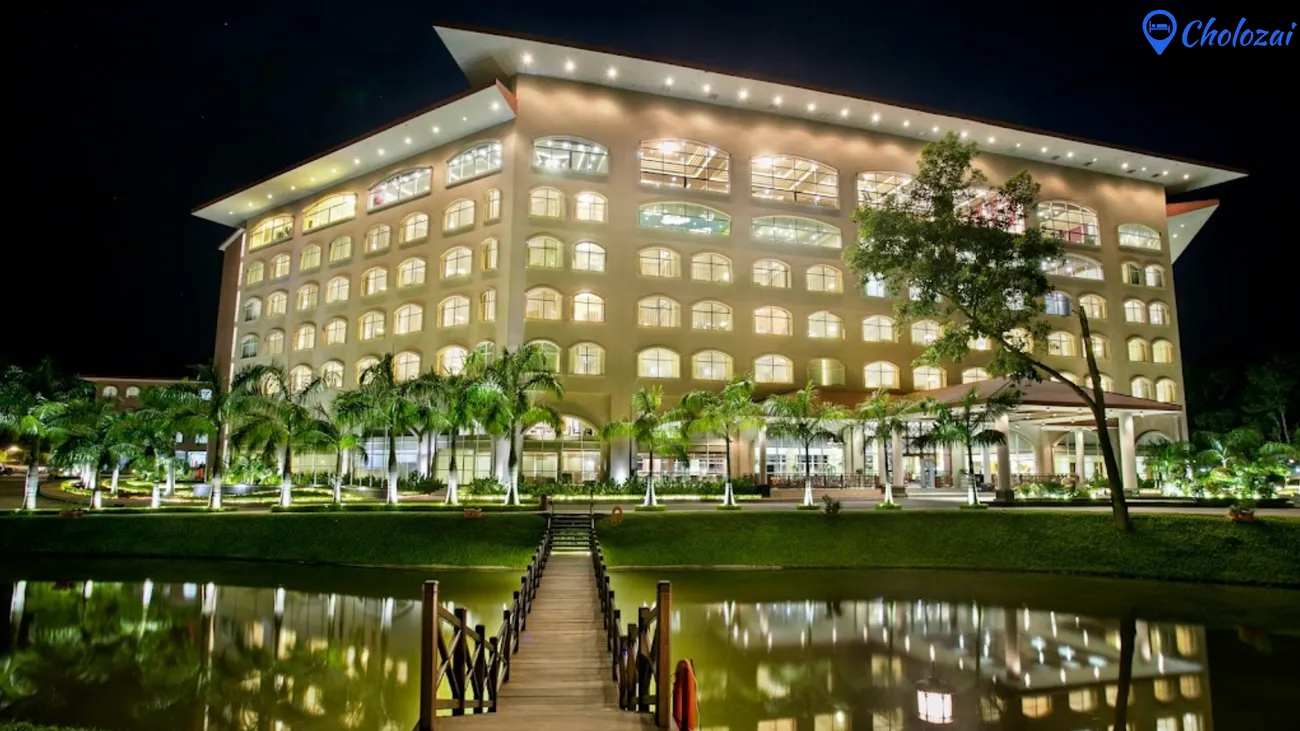
Grand Sultan Tea Resort is a prominent and upscale accommodation center in the Srimangal area, known for its resort facilities and well-groomed surroundings. Located within walking distance of Hakaluki Haor, it is more suitable for a larger Srimangal itinerary than being used as a base.

For travelers who prefer a more quiet and leisure-oriented stay, Dusai Resort in Moulvibazar district is another established option.

Choosing the right accommodation for the night

  • Kulaura or nearby towns: May be considered for easy access to selected parts of the Haor.
  • Moulvibazar City: Convenient for regional transportation connections and planning trips to the larger district.
  • Srimangal: This is an ideal place for those who want to enjoy forests, tea gardens, and resort accommodation along with exploring the wetlands.

Before confirming your hotel, check the actual driving distance to your chosen boat dock. Hakaluki Haor is geographically vast, and two places described as being close to the haor may be quite far apart by road.


Travel safety, reservations and practical advice

Boat safety

Safety should be the top consideration when planning a boat trip on Hakaluki Haor. Open areas of the wetland can become dangerous when wind speeds increase or visibility decreases.

  • Use a licensed or locally established operator if possible.
  • Insist on wearing life jackets correctly, including the appropriate size for children.
  • Never exceed the safe passenger capacity of the boat.
  • Check the latest local conditions just before starting your journey.
  • Do not start traveling during a thunderstorm or any other dangerous conditions.
  • I plan to return before dark.
  • Carry a charged phone and share your planned itinerary with a trusted acquaintance.

Wildlife protection

Hakaluki Haor is an environmentally sensitive wetland. Wildlife tourism should not disturb bird nesting, feeding or resting areas. Visitors should refrain from chasing birds to take photos, playing loud music or entering protected areas.

Respect the work of local conservation groups and community members involved in protecting the natural resources of the haor.

Recommended packing list

  • Comfortable clothing appropriate for the season.
  • Non-slip shoes suitable for boating.
  • A waterproof bag to hold your phone, camera, and documents.
  • Binoculars for watching distant birds.
  • A camera with sufficient battery capacity.
  • Drinking water and light snacks.
  • Personal medication and first aid equipment.
  • Small amounts of cash for local transportation and snacks.
  • Reusable garbage bags.

Mobile connectivity and benefits

Mobile network connectivity may vary in remote areas of the wetlands. Visitors should download necessary travel information in advance and avoid relying solely on internet connectivity during boat trips.

Not all landing sites may have public restrooms, shaded waiting areas, and reliable drinking water. Before embarking on a long journey, take advantage of the facilities in nearby major cities.

Accessibility considerations

Accessibility varies widely by landing site. The village's rugged roads, stairs, narrow boats, and changing shore conditions can pose difficulties for wheelchair users or travelers with limited mobility.

Visitors who require stair-free access should discuss their specific needs with local managers before embarking, rather than assuming that any boat or attraction is accessible.

Emergency assistance

The national emergency helpline in Bangladesh is 999. In an emergency, provide the name of your nearest village, landing site, or any recognizable location and seek the help of a local resident or boatman to identify your location.


Nearby attractions

Hakaluki Haor can be included as part of a longer trip through Moulvibazar district, which features forests, waterfalls, tea plantations, lakes, and culturally significant sites. The following places of interest are located within the same district, although some take considerable extra time to reach from the designated entrance to Hakaluki Haor.

1. Madhavkund Waterfall

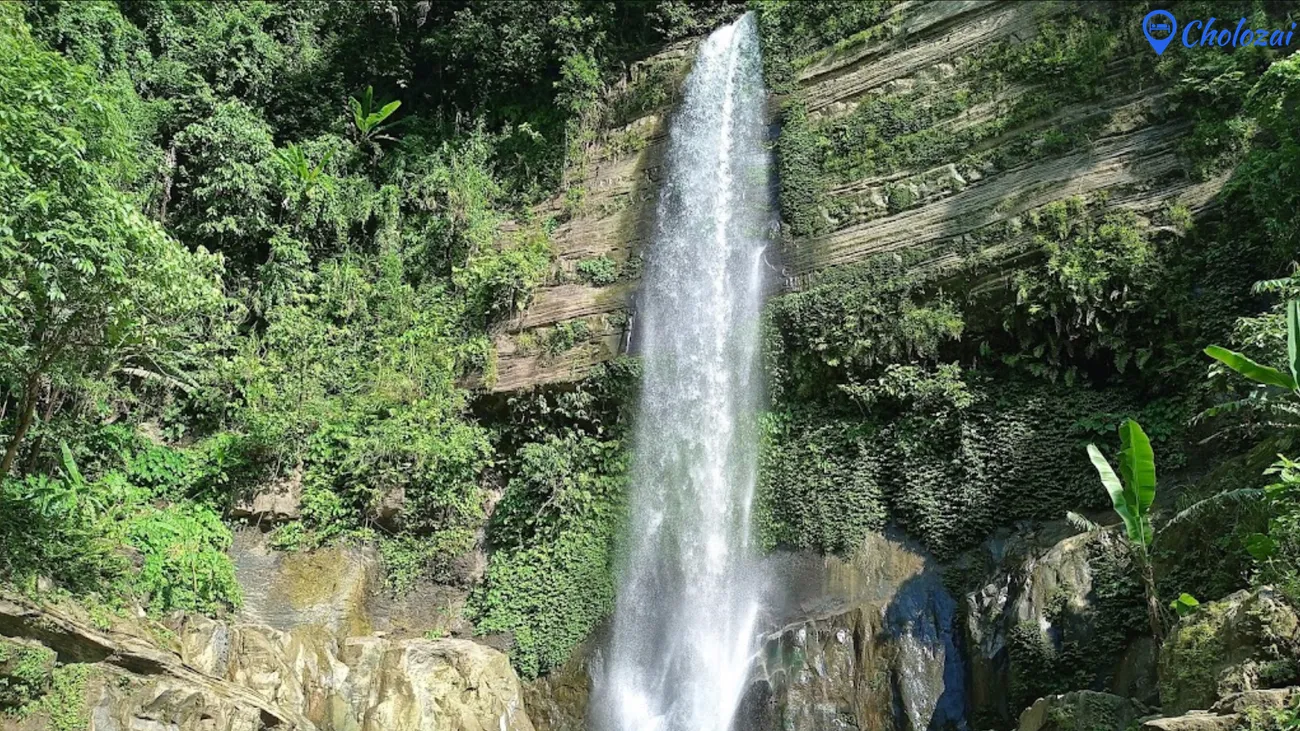
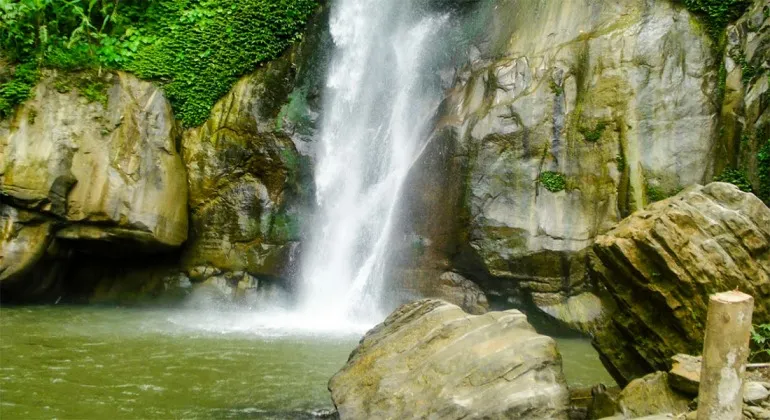
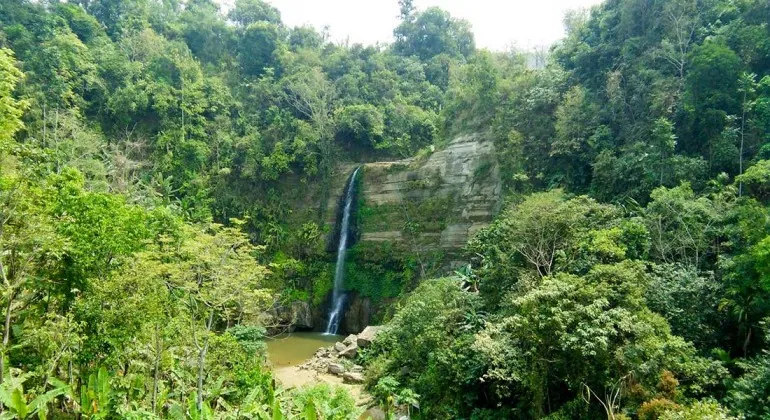
Madhabkund Falls, located in the Barlekha area, (Madhavkund Waterfall) is one of the well-known natural attractions of the district. Visitors coming to Hakaluki Haor from the Barlekha direction may find it particularly convenient to include this waterfall in their extensive itinerary.

2. Patharia Hills

Patharia Hills has a contrasting landscape of mountains and greenery. It is an interesting addition for travelers interested in the natural geography of the Barlekha region.

3. Parikunda Waterfall

Parikunda Falls is another natural destination associated with the hilly region of the district. It is advisable to check the travel conditions before planning a visit.

4. Lawachara National Park

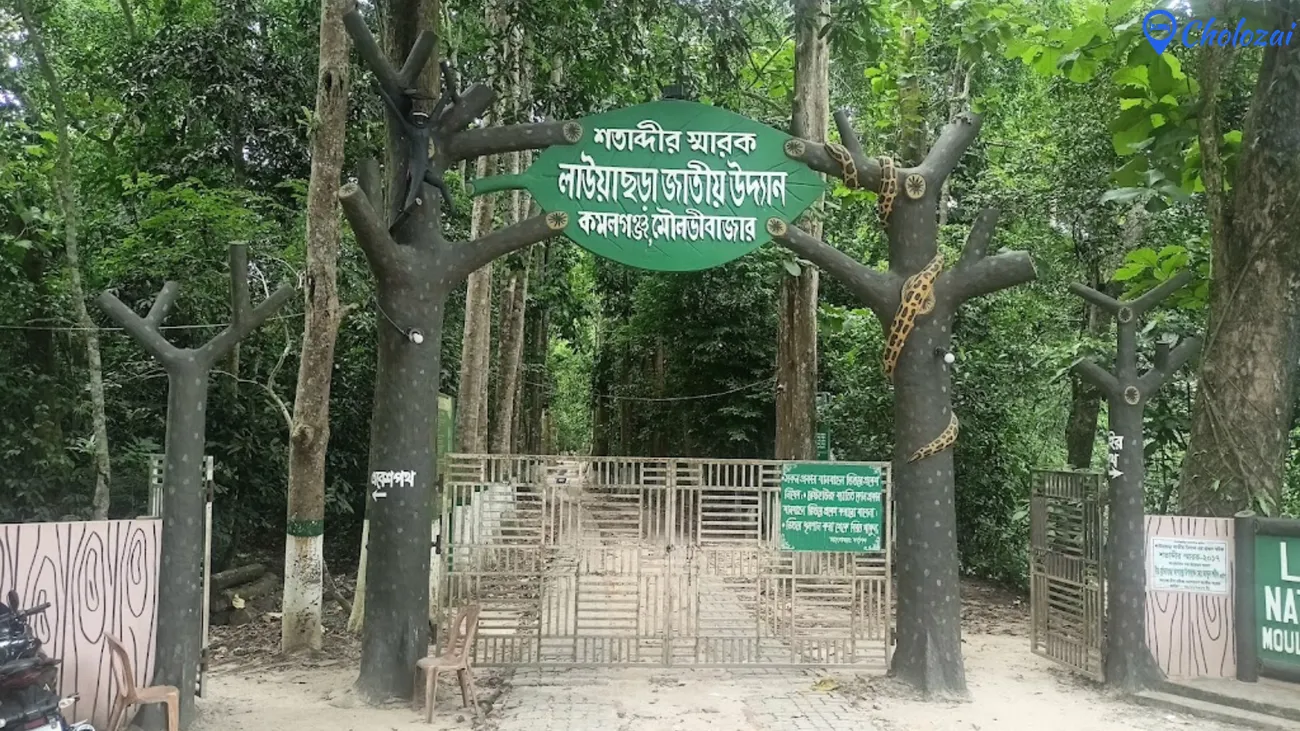
The Lawachara National Park near Srimangal is a protected forest area known for its tropical flora, wildlife and forest trails. By combining the Hakaluki Haor with Lawachara, tourists can experience two completely different ecosystems in the same district.

5. Baikka Bill

Baikka Bil Hail is a well-known birdwatching site within the Haul Haor wetland system. It provides a valuable comparison with Hakaluki Haor for visitors interested in aquatic habitats and wetland conservation.

6. Haor Shailshwat

Another important wetland in Moulvibazar district is hail Haor . Visitors can explore its agricultural areas, seasonal wetlands, and bird habitat, subject to local access conditions.

7. Madhabpur Lake

Madhabpur Lake , located amidst the tea-growing countryside near Kamalganj, offers a tranquil and freshwater setting, making it a popular spot for travelers looking for a relaxing nature photography experience. (Madhabpur Lake)

8. Hum Hum Waterfall

Hum Hum Falls is a popular destination for adventure travelers interested in hiking and forest scenery. It usually requires a lot more physical effort and planning than a traditional Hakaluki Haor hike.

9. Moulvibazar Tea Garden

The picturesque tea gardens surrounding Srimangal and other parts of the district are one of the main attractions of Moulvibazar. The rolling green gardens here create a striking contrast with the open water bodies of the Hakaluki Haor. (Tea garden)

10. Srimangal Tea Museum

The Srimangal Tea Museum introduces visitors to the history and traditions of tea cultivation in the region, making it a useful cultural addition to a nature-based itinerary.

11. Manipuri village

Manipuri villages offer an opportunity to learn about Manipuri cultural heritage, including weaving and traditional handicrafts. Visitors should respect the privacy of residents and local customs.

12. Bir Shrestha Hamidur Rahman Memorial

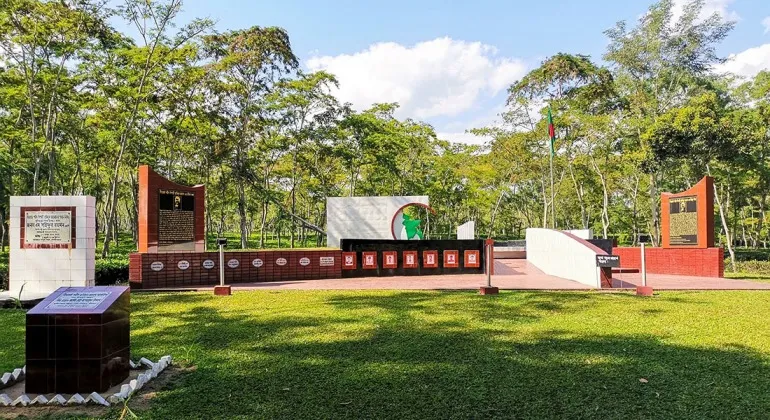
The Bir Shrestha Hamidur Rahman Memorial is (Bir Shrestha Hamidur Rahman Memorial Moulvibazar) an important historical site related to the Liberation War of Bangladesh and is dedicated to the memory of one of the country's most recognized national heroes.

Suggested itinerary: Visitors who primarily want to explore the Barlekha section of Hakaluki Haor may want to consider visiting the Madhabkunda Falls and Patharia Hill Region. Travelers staying around Srimangal may want to set aside a separate day for the Lawachara National Park, tea gardens, Madhabpur Lake, or the Hail Haor wetlands. Do not assume that you can comfortably visit all the attractions in one day, but allow yourself enough time for your trip.

Frequently Asked Questions (FAQ)

Hakaluki Haor is located in the northeastern part of Bangladesh, covering parts of Moulvibazar and Sylhet districts. It extends through the Baralekha, Kulaura and Juri upazilas of Moulvibazar and the Fenchuganj and Golapganj upazilas of Sylhet. The wetland is spread over an area of ​​about 181 square kilometers, so there are multiple entry points. Visitors traveling through Moulvibazar usually enter through Kulaura, Juri or Baralekha.

Explore The Area

Top Attractions & Places to Visit in Moulvibazar

Discover more heritage, nature, and must-visit spots across Moulvibazar.

View all in Moulvibazar

Bir Shrestha Hamidur Rahman Memorial Moulvibazar

The Bir Shreshtha Hamidur Rahman Memorial, located in Dhalai, Madhabpur area of ​​Kamalganj upazila, Moulvibazar distric...

Shafayet Al-Anik

Hum Hum Waterfall, Moulvibazar – Complete Travel Guide, Trekking Routes, Cost & Travel Tips

Hum Hum Waterfall , also known as Humham Jharna or Cheetah Falls, is one of the most attractive natural trekking destina...

Shafayet Al-Anik

Grand Sultan Tea Resort, Moulvibazar – Complete Guide to Luxury Resorts and Travel

Grand Sultan Tea Resort & Golf is one of the most renowned luxury countryside resorts in Bangladesh, located in the pict...

Shafayet Al-Anik

Madhabkunda Waterfall, Moulvibazar, Bangladesh

Madhabkunda Falls, located in Barlekha Upazila of Moulvibazar District of Sylhet Division, is one of the most well-known...

Shafayet Al-Anik

Lawachara National Park

Lawachara National Park is one of the most famous forest tourism destinations in Bangladesh, offering visitors an unforg...

Shafayet Al-Anik

Dusai Resort, Moulvibazar – Complete Travel Guide, Room Prices, Activities and Travel Tips

Dusai Resort & Spa is a luxury nature retreat located in Niteshwar, Giasnagar, off Srimangal Road, in the Moulvibazar di...

Shafayet Al-Anik

Baikka Bill Moulvibazar

Baikka Beel Moulvibazar is a famous freshwater wetland and wildlife sanctuary located east of Hail Haor in Srimangal Upa...

Shafayet Al-Anik

Manipuri village Moulvibazar

Manipuri Village, also known as Manipuri Palli, is a cultural destination in Moulvibazar District, Bangladesh, where vis...

Shafayet Al-Anik

Hail Haor Moulvibazar

Hail Haor Moulvibazar is one of the most significant freshwater wetlands in northeastern Bangladesh, located in the Srim...

Shafayet Al-Anik

Parikunda Waterfall Moulvibazar

Hidden amidst the lush green hills of Patharia in Barlekha Upazila of Moulvibazar District, Bangladesh, Parikunda Falls ...

Shafayet Al-Anik

Patharia Hills Moulvibazar

Patharia Hills, also known as Patharia Hill or Patharia Hills, is a picturesque hilly and forested area in Barlekha Upaz...

Shafayet Al-Anik

logo ColoZai

ColoZai is a trusted travel guide and destination explorer platform in Bangladesh. We are making travel simple, authentic, and accessible for everyone.

Need Help ?

We are Always here for you! Knock us on Whatsapp (10AM - 10PM) or Email us.