Golakata Mosque Zhenaidah

Golakata Mosque Zhenaidah

Jhenaidah
·

15 October 2026

Travel Overview & Quick Facts

Directions
Location
Jhenaidah
Admission / Entry Fee
There is no publicly recorded entry fee. The mosque is a place of worship and a historical heritage site; check with the local authority for current restrictions or charges before visiting.
Best Time to Visit
October to March; Visiting during the day is recommended to enjoy the architecture and take photos of the historic site.
Opening Hours
Official opening hours have not been verified. As an active place of worship, access may depend on prayer times, caretaker availability, and reservation arrangements.
Category / Type
Historical mosques, Sultanate architecture, archaeological heritage sites, religious and cultural tourism

Introduction to Golakata Mosque Zhenaidah

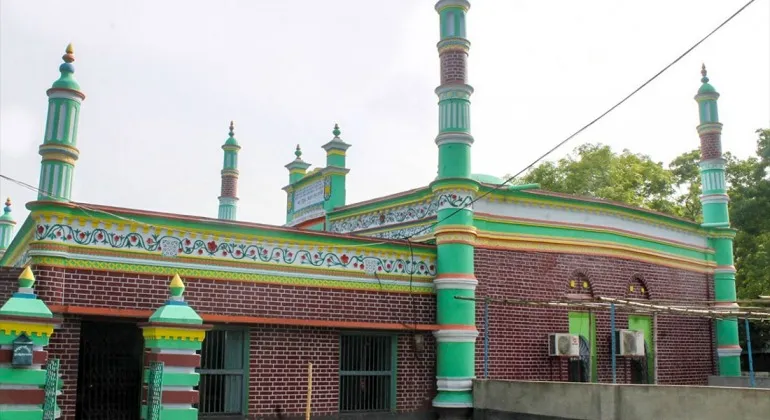
Golakata Mosque, Jhenaidah , also known as Golakata Mosque or Galakata Mosque, is a historic Islamic architectural monument located in Barobazar, Kaliganj Upazila, Jhenaidah District, Bangladesh. This notable mosque, associated with the Sultanate architectural tradition of Bengal, offers visitors an opportunity to explore the region's medieval religious heritage, distinctive brick construction style, and surviving decorative craftsmanship.

The mosque is located next to the Golkata Dighi, which plays an important role in the cultural landscape of the place. The surrounding Barobazar area is famous for its archaeological ruins and old mosques, making this destination particularly attractive for heritage lovers, photographers, students of Islamic architecture, and travelers interested in lesser-known historical sites in Bangladesh.

Unlike modern religious structures, Golkata Mosque is appreciated for its historical structure and architecture. Its thick masonry walls, multiple domes, carefully arranged prayer spaces, and ornate terracotta work give an idea of ​​the traditional mosque construction style of Bengal. Visitors should be respectful of this monument, as it is also associated with an active religious environment.

For a well-thought-out heritage itinerary, (Strong Bangla Mosque Jhenaidah) combine it with a visit to the nearby Strong Bangla Mosque Jhenaidah, commonly known as the Jor Bangla Mosque, and explore other historical sites across the district.


History and historical significance

The Golkata Mosque is part of the historic mosque landscape of Barobazar. This area of ​​Barobazar, Bangladesh is known for its medieval settlements and ruins of religious architecture. The larger region contains archaeological sites related to the Bengal Sultanate and later periods of Islamic history.

The exact date of construction of the mosque and the identity of its original patron have not been conclusively established from the available documents. Some local accounts link the structure to the reign of Khan Jahan Ali, while architectural comparisons and archaeological discoveries point to a wider Sultanate heritage. These connections should be considered as historical interpretations rather than as definitive evidence for the date of the mosque's foundation.

The reports describe archaeological excavations and restoration work conducted in the 1990s, when the ruins of the structure were uncovered and preserved. Fragments of carved stones, which are relevant to the larger historical context of Barobazar, have also contributed to the increased interest of researchers in the area.

The mosque's name, which is usually translated as 'Mosque of the Severed Head', is associated in local folklore with accounts of historical violence and a nearby water body. However, no specific historical explanation for this name has yet been established. Visitors should distinguish between local folklore and verified archaeological evidence.

The significance of this monument is not limited to its religious function, but it also contributes to understanding the evolution of Bengal's historical settlement patterns, crafts, and mosque architecture.


Architecture and distinctive features

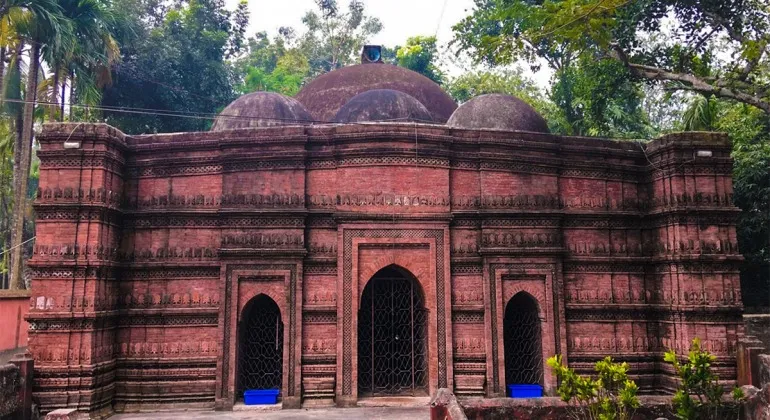
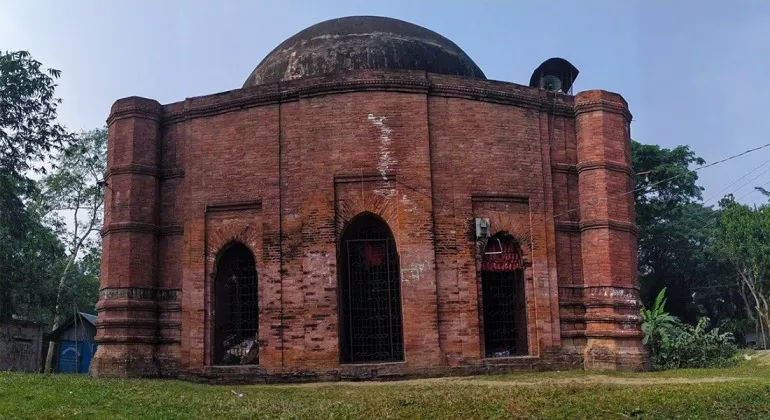
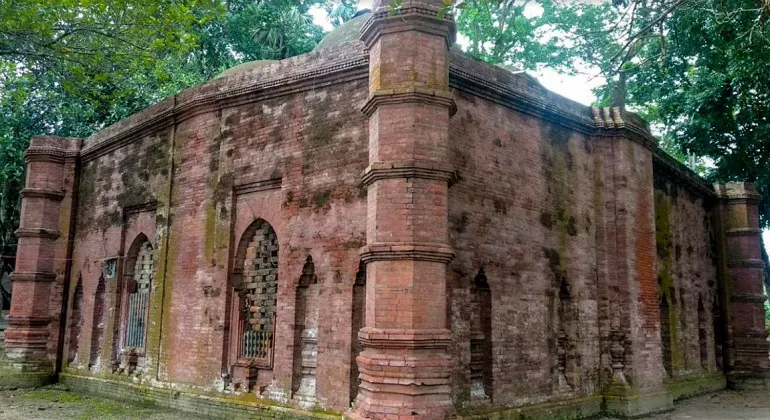
The Golkata Mosque is a historic mosque of a compact, square design, notable for its solid masonry and hexagonal domed roof. Its architectural style reflects traditional Bengali mosque design, which is consistent with the materials, construction techniques, and religious needs of its historical context.

Six domes and structural supports

The roof has six domes in two rows. Large polygonal pillars and strong masonry walls give the building a solid appearance. The description of the mosque mentions two prominent black stone pillars inside the structure as particularly notable features.

Thick brick walls and traditional construction

The mosque was built mainly of brick and the building's description mentions traditional lime-based masonry. Its solid walls bear the architectural features of historic masonry and help distinguish this structure from modern mosque designs.

Three mihrabs and terracotta decorations

The western wall has three mihrabs, or prayer niches, pointing towards Mecca. The description of the monument highlights the terracotta motifs, which include floral designs, vines, and ornate geometric details. These decorative elements give visitors a glimpse of the artistic language used in the religious architecture of historic Bengal.

Entrance system and surrounding landscape

There are three entrances on the east side, the middle one of which is described as slightly larger. The Golkata Dighi is located next to the mosque, creating an important connection between this religious structure and its surrounding landscape.

As the building is a historical monument, visitors should refrain from touching the fragile decorative surfaces, climbing on the masonry, or entering the protected areas. Taking photographs should never disrupt prayers or conservation work.


Golakata Dighi and surrounding traditional landscape

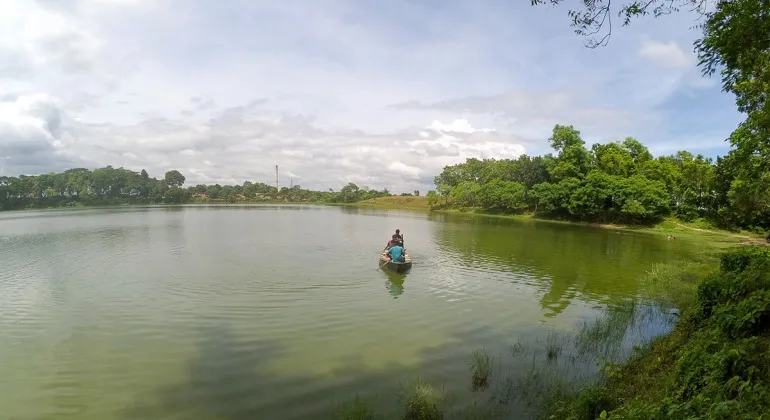
Golkata Dighi is one of the most well-known landscape features associated with the mosque. This historic pond is part of the cultural memory of the region and provides a context for understanding how religious buildings, water sources, and settlements were interconnected in earlier times.

According to local folklore, this pond and mosque are associated with the historical development of Barobazar. The stories surrounding the place name are an interesting part of local folklore, but their historical accuracy is uncertain.

Don't just view the destination as a place to take photos, take time to take a good look at the pond, the exterior of the mosque, and the surrounding settlement. The combination of architecture, water, plants, and historical surroundings makes this place particularly attractive to travelers interested in cultural landscapes.


Things to do at Golkata Mosque

  • Study the historic architecture: Observe the mosque's six domes, thick brick walls, eastern entrance, and western prayer spaces.
  • Appreciate the terracotta decorations: look for floral and geometric designs that have survived without touching the historic surface.
  • Tour Golkata Dighi: Explore the surroundings of the pond while respecting private property and local customs.
  • Photographing heritage sites: Take photos of the exterior, rooftops, and the surrounding landscape in good daylight. Ask permission before photographing worshippers.
  • Learn about the archaeological heritage of Barobazar: Use this trip as an opportunity to get acquainted with the historic mosques and settlements in the area.
  • Experience local culture: Speak respectfully to local residents or caretakers to learn about the history and access to the place.
  • Plan a heritage tour: Include historical mosques, heritage buildings, and other places of interest near Jhenaidah district.

Visitors should plan a relatively short and leisurely break for the mosque, with additional time for the pond and nearby heritage sites. The actual time required depends on travel convenience, prayer times, transportation arrangements, and photography interests.


Ticket prices and entry rules

There is no official tourist admission fee for the Golkata Mosque. Being a historic mosque and place of worship, it is generally viewed as a heritage site rather than a commercial attraction with conventional ticket counters. Check with the local caretaker or relevant heritage authority for current arrangements before travelling.

Expected visitor spending

  • Admission: No published ticket price has been confirmed yet.
  • Local transport: Rickshaws, vans, autorickshaws and other local vehicles may charge a separate fee.
  • Food and drinks: Buy these separately from nearby township shops or eateries.
  • Photography: No formal fees have been verified for taking photos; ask before taking photos of protected interior spaces or people.

Visitor etiquette

  • Wear appropriate and modest clothing for religious places.
  • Remove shoes as needed before entering a place of prayer.
  • Avoid traveling during prayer times, if visiting places of worship is difficult for worshippers.
  • Keep the area around the mosque and pond clean.
  • Do not climb on walls, domes, or archaeological ruins.
  • Follow the instructions of the supervisors and comply with any reservation restrictions.

Since published visitor information is limited, avoid relying on unverified online claims about ticket prices, opening hours, or visitor amenities.


How to reach

Golkata Mosque is located in Barobazar, Kaliganj Upazila, Jhenaidah District, southwestern Bangladesh, along the Barobazar-Taherpur road. Its widely published coordinates are approximately 23.305751° North, 89.138573° East. According to local landmarks marked on maps, the mosque is located near Golkata Dighi and approximately 230 meters east of the Jore Bangla Mosque.

Step 1: Travel from Dhaka to Jhenaidah or Kaliganj

For many passengers, the most convenient option is to take an intercity bus from the Gabtoli or Kalyanpur areas of Dhaka to Jhenaidah or other destinations in the southwest region. Depending on the service, passengers can go directly to Jhenaidah or connect via a nearby transport hub. Journey times and fares vary depending on the operator, traffic, and route, so be sure to check the current schedule and ticket prices before you set off.

According to published travel guides, historical or estimated fares for non-AC buses are around 650 taka and 800–1,200 taka for AC buses. These figures are not verified current fares and should be verified with the operator.

Step 2: Proceed from Jhenaidah town

From Jhenaidah district headquarters, take a local bus, reserved CNG autorickshaw or a rented car to reach Kaliganj and Barobazar. It is generally said that the mosque is located about 30 kilometers from Jhenaidah town, although the exact road distance depends on your starting point and route.

Depending on traffic, wait times, and road conditions, allow approximately 45-90 minutes for this local route. Instead of relying on the name alone, ask the driver specifically about Golkata Masjid or Golkata Dighi in Barobazar.

Step 3: Travel from Barobazar

Hire a van, battery-powered easy-bike, auto-rickshaw or rickshaw for the short journey from Barobazar bus stand or local market area. The mosque is located near the Barobazar-Taherpur road and local transport drivers will recognize the name Golkata Mosque.

There is no reliable current fare list for the last ride. Confirm the fare before you get in the car. Short-distance local rides can cost a little, while cars reserved for multiple stops at traditional locations are usually more expensive. To plan, ask the driver for the total round-trip fare and waiting charges.

Travel by train

A railway station is shown on the public map at Barobazar. However, the current passenger service, train movement and convenient connectivity from Dhaka have not been verified. Please check the official Bangladesh Railway timetable before choosing this option. If a suitable train is available, arrange local transport to reach the mosque from the station.

Air travel

There is no recognized commercial airport directly adjacent to Golakata Mosque. Travelers considering air travel should check the current domestic flight schedule at a suitable regional airport and then arrange for onward road transportation. For most visitors traveling from Dhaka, direct or connecting road travel is usually the easiest option.

Renting a private vehicle

Private cars or microbuses are convenient for families, photography groups, and travelers who plan to stop at multiple places around Barobazar. Before starting the journey, discuss the route, waiting time, fuel costs, and return journey. A driver familiar with the historic mosques of Kaliganj can make it easier to plan your itinerary.

Nearby attractions and directions

Use Golkata Dighi and Jor Bangla Masjid as nearby landmarks when asking for directions. The following map link uses the coordinates of the published mosque as its center; verify the pins and street directions displayed before starting your journey: Golkata Masjid on Google Maps (@23.305751,89.138573,17z) .

Mobile navigation can be helpful, but searching for Golakata Dighi or Golakata Masjid locally is a wise option. Roadside signage and public transport availability may vary.

Golakata Mosque Zhenaidah

GPS: 23.305751, 89.138573
Get Directions

Where to eat

The Barobazar market area is the most convenient place to buy daily meals, snacks, tea, and bottled water before or after visiting the Golkata Mosque. Depending on the establishment and time of day, small local food stalls may offer rice, pulses, vegetables, fish, and other familiar Bangladeshi dishes.

Specific restaurants for the area around the mosque, their exact opening times and current food prices are not yet known. Ask a local resident or your transport driver to find out about any food stalls open in Barobazar. Those with special dietary requirements should inquire directly with the vendor about the ingredients and preparation methods.

For long traditional journeys, take drinking water with you and allow time for food in a nearby major town. Dispose of packaging responsibly and avoid littering around mosques or Golkata Dighi.


Where to stay?

Travelers may consider staying in Jhenaidah city or Kaliganj, depending on transportation options, the quality of accommodations available, and the number of heritage sites planned for the trip. Jhenaidah city can be a convenient hub for visitors who want to explore the attractions of the larger district.

The information reviewed for this guide did not include verified hotel names, current room rates, and accommodations within walking distance of Golakata Mosque. Before booking, check the latest listings, contact the hotel directly, and confirm the availability of rooms, private bathrooms, parking, and late check-in.

Day trips may not require overnight stays, if the travel schedule allows for a comfortable return. Visitors who want to photograph several historic mosques should consider staying overnight in a nearby major city to avoid the rush of getting from one place to another.


Photography, accessibility and practical travel tips

Golakata Mosque is well suited for architectural and cultural photography, especially for visitors interested in the domes, masonry, terracotta decoration, and the relationship between a historic mosque and its surrounding pond. Daylight is generally best for observing exterior details, although the shadows of surrounding trees can affect the light.

Due to the monument's historic architecture and the uneven terrain surrounding it, accessibility may be difficult for some visitors. Wheelchair accessibility, ramps, disabled toilets, and designated parking have not been verified. Travelers with mobility issues should check with local authorities before traveling.

  • Save the coordinates of the mosque before starting the journey and confirm the final pin on the map.
  • Bring drinking water, sun protection, and other personal essentials.
  • Bring cash for local transportation and small purchases.
  • Dress modestly and follow local prayer customs.
  • Ask permission before entering the interior spaces or taking photos of worshipers.
  • Do not assume that there will be facilities, guides, or refreshments available for visitors inside the monument.
  • To make the trip more worthwhile, visit other nearby heritage sites along with the mosque.

Visitors interested in historical architecture can also visit the Shailkupa Shahi Mosque in Jhenaidah district, which is a unique historical religious monument.


Frequently Asked Questions about Golakata Mosque

These answers address common practical and historical questions about visiting the Jhenaidah Mosque in Golkata. Opening times, facilities and travel details should be confirmed locally, as current official visitor information is limited.


Nearby attractions

Barobazar and the greater Jhenaidah district are home to several historic mosques, archaeological sites, heritage buildings, and natural attractions. Visitors can visit selected destinations including Golkata Mosque, depending on available transportation and time.

  • Majbut Bangla Mosque Jhenaidah : Commonly known as Jor Bangla Mosque, this historic mosque is very close to Golkata Mosque and is a nice addition to the Barobazar heritage walk.
  • Barobazar Jhenaidah : Explore this historic town and its extensive heritage sites associated with the region's medieval past.
  • Dhol Samudra Dighi Zhenaidah : For a more extensive cultural and natural beauty itinerary, visit another well-known water body in the district.
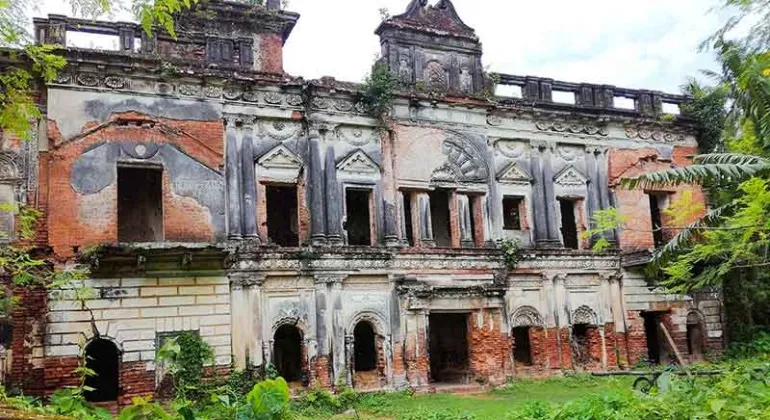
  • Mia Dalan Jhenaidah : Add a traditional historical landmark focusing on the built heritage of Jhenaidah.
  • Shailkupa Zamindar Bari Jhenaidah : You can consider this historic estate when planning a larger trip outside Barobazar.
  • Naldanga Rajbari Resort Jhenaidah : Visit the Naldanga area as part of a larger district itinerary; check current tourist access and amenities.
  • Zhenaidah, Asia's largest banyan tree : For a different experience centered on natural heritage, include this famous banyan tree attraction in your travel list.
  • Kalipara KP Basu House Jhenaidah (Kalipada KP Basu House Jhenaidah) : If you are interested in the architectural and cultural history of the district, you can consider this historic residence.
  • Khalishpur Neelkuthi Bhavan, Jhenaidah : Visit another traditional structure associated with the historical architectural environment of this region.
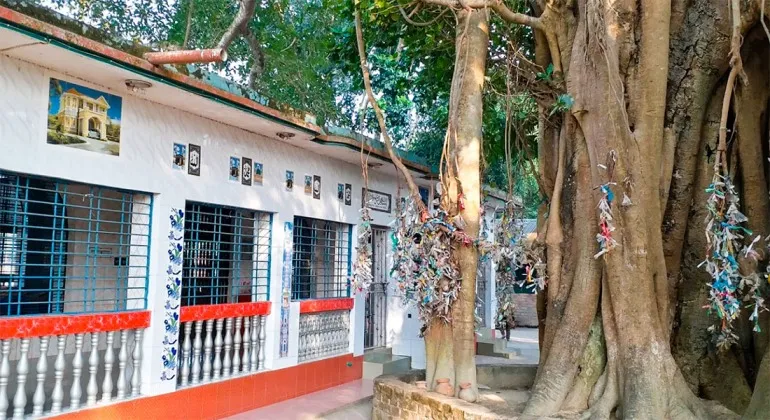
  • gazi Kalu Champabati Shrine, Jhenaidah : Visit this religious and cultural place if it suits your itinerary and interests.
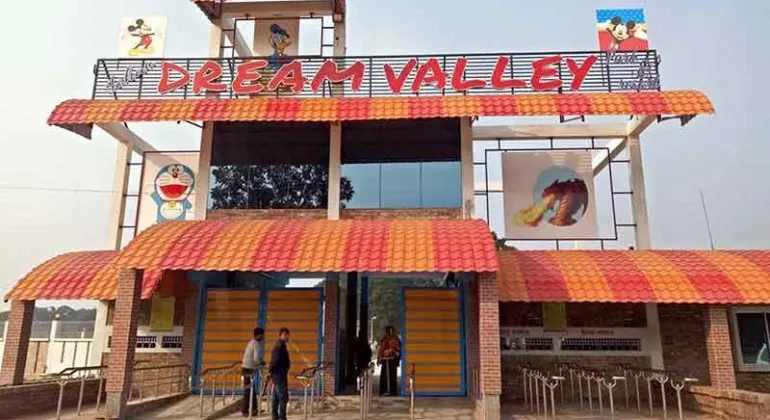
  • Johan Dream Valley Park, Jhenaidah : Add a break for leisure entertainment to make the trip more diverse, which is dependent on the current opening arrangements.

Not all of these attractions are within walking distance of Golakata Mosque. Before planning to visit more than one place in one day, check the road routes and allow enough time for your trip.

Frequently Asked Questions (FAQ)

Golkata Mosque is located in Kaliganj Upazila of Jhenaidah District, Bangladesh, along the Barobazar-Taherpur road. The published coordinates are approximately 23.305751° N, 89.138573° E. Golkata Dighi and Jor Bangla Mosque are nearby landmarks.

Explore The Area

Top Attractions & Places to Visit in Jhenaidah

Discover more heritage, nature, and must-visit spots across Jhenaidah.

View all in Jhenaidah

Dhol Samudra Dighi Zhenaidah

Dhol Samudra Dighi is one of the well-known traditional water bodies in Jhenaidah district of Bangladesh. Located in Bar...

Shafayet Al-Anik

Gazi Kalu Champabati Shrine Jhenaidah

Learn about the fascinating history, spiritual heritage, and folklore of Gazi Kalu Champabati Shrine, one of the cultura...

Shafayet Al-Anik

Johan Dream Valley Park, Jhenaidah

Johan Dream Valley Park and Resort is one of the most well-known family entertainment centers in Jhenaidah, a southweste...

Shafayet Al-Anik

Mia Dalan Jhenaidah

Miyar Dalan , also known as Miyar Dalan, Miyar Dalan Zamindar Bari, Selim Chowdhury's Bari and Bibi Ashrafunnesa Bari, i...

Shafayet Al-Anik

Khalishpur Neelkuthi Bhaban Jhenaidah

Khalishpur Neelkuthi Bhaban, also known as Khalishpur Neelkuthi Bhaban or Khalishpur Indigo Factory, is an important col...

Shafayet Al-Anik

Naldanga Rajbari Resort Jhenaidah

Naldanga Rajbari Resort Jhenaidah is a privately-owned resort located in the greater Naldanga heritage area of ​​Jhenaid...

Shafayet Al-Anik

Shailkupa Shahi Mosque

Discover the extraordinary heritage of the Shailkupa Shahi Mosque, one of the most historic Islamic architectural monume...

Shafayet Al-Anik

Zhenaidah, the largest banyan tree in Asia

Asia's largest banyan tree, commonly known as the Mallikpur Banyan Tree or the Suitala-Mallikpur Banyan Tree, is one of ...

Shafayet Al-Anik

Barobazar Jhenaidah

Barobazar Jhenaidah , also spelled as Baro Bazar or Barabazar, is one of the most interesting archaeological sites in so...

Shafayet Al-Anik

Strong Bangla Mosque Jhenaidah

Discover the Jora Bangla Mosque, located in Barobazar, Kaliganj Upazila, Jhenaidah District, Bangladesh, a notable histo...

Shafayet Al-Anik

Shailkupa Zamindar House Jhenaidah

Shailkupa Zamindar Bari , also known as Abaypur Zamindar Bari and Sikder Street, is a historic aristocratic residence lo...

Shafayet Al-Anik

Kalipada KP Basu House Jhenaidah

Learn about the historical heritage of Kalipada KP Bose House, located in Harishankarpur village of Jhenaidah Sadar Upaz...

Shafayet Al-Anik

logo ColoZai

ColoZai is a trusted travel guide and destination explorer platform in Bangladesh. We are making travel simple, authentic, and accessible for everyone.

Need Help ?

We are Always here for you! Knock us on Whatsapp (10AM - 10PM) or Email us.