Gabkhan Bridge Jhalokati, Jhalokati, Bangladesh: Complete Travel Guide

Gabkhan Bridge Jhalokati, Jhalokati, Bangladesh: Complete Travel Guide

Jhalokati
·

19 October 2026

Travel Overview & Quick Facts

Directions
Location
Jhalokati
Admission / Entry Fee
Entry fee to view the bridge and Gabkhan Canal from the public open area is free. There is no separate entry ticket for tourists. Where applicable, general road tolls are separate from the entry fee. Visitors should not stop or walk in the path of vehicular traffic to take photographs.
Best Time to Visit
Open year-round; late afternoon is ideal for exploring the canal, taking pictures of the bridge, and watching boats along the waterway.
Opening Hours
Open 24 hours (public access is available; safe parking and pedestrian access not guaranteed)
Google Rating
★ 4.4 (182 reviews)
Category / Type
Engineering monuments, scenic bridges, river and canal views, photography and sightseeing

Introduction to Gabkhan Bridge Jhalokati, Jhalokati, Bangladesh: Complete Travel Guide

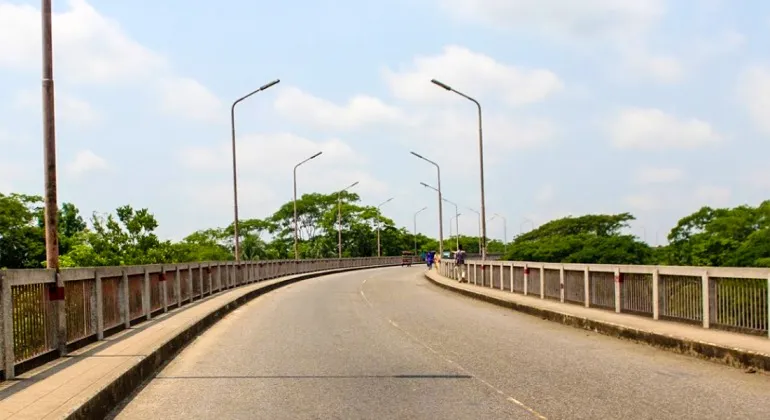
Gabkhan Bridge, also known as the Fifth Bangladesh-China Friendship Bridge, is one of the most distinctive engineering feats in Jhalokati district of southern Bangladesh. Built over the historic Gabkhan Canal, this impressive bridge integrates the regional transport infrastructure with a panoramic view of the waterway, moving ships and the lush green landscape of the Barisal region. For tourists visiting lesser-known destinations in Bangladesh, it is a worthwhile stopover to sightsee, take photos and discover the region's extraordinary relationship with river transport.

The bridge is particularly notable for its connection to the Gabkhan Canal. This strategically important artificial waterway is often called the Suez Canal of Bengal. The canal connects regional waterways and facilitates navigation between important river channels in southern Bangladesh. Its long, narrow course and surrounding vegetation create a landscape that gives a different feel to the wide river crossings commonly seen elsewhere in the country.

Located near Jhalakathi town, Gabkhan Bridge is a convenient addition to a larger district itinerary. Visitors can take the opportunity to visit the Bhimruli Floating Market with a stopover, visit historic estates like Kirtipasha Zamindar House , or explore the heritageof Saturia Zamindar House . The bridge is primarily a functional transportation structure, not a developed tourist destination, so visitors should plan it as a standalone attraction rather than a conventional tourist attraction.


History and significance of Gabkhan Bridge

Gabkhan Bridge is officially connected to the Fifth Bangladesh-China Friendship Bridge. According to the Bangladesh Roads and Highways Department, this bridge was built in 2001 and has a total recorded length of about 917.7 meters. Its huge length and multiple spans make it an important road infrastructure for Jhalokati and neighboring districts.

The bridge allows road traffic to pass over the Gabkhan Canal, improving connectivity to regional routes to Barisal, Jhalokati, Pirojpur and further southwest destinations. Its importance to the local community is not limited to its tourist attractions: it aids in the transportation of passengers, agricultural products, commercial goods and daily road traffic.

The canal beneath the bridge has its own unique history. Often referred to as the Suez Canal of Bengal, the Gabkhan Canal is an artificial waterway that connects to the vast network of rivers and waterways in southern Bangladesh. It connects regional waterways, including those linked to the Sugandha and Bishkhali river systems. Its role in navigation explains why the bridge is both a visible landmark and an important component of the district's transport network.

Visitors should distinguish between the history of the canal and the construction history of the bridge. The origin and development of the canal is part of a long history of regional water transport, while the modern bridge is a separate road infrastructure project. The exact historical date of the canal's first construction should be verified through reliable local historical documents before presenting it as definitive.


Architectural and engineering features

The Gabkhan Bridge is notable for its significant length, flyover roadway, and multiple structural spans crossing the canal. According to the Roads and Highways Department records, its total length is about 917.7 meters, its width is about 10 meters, and its vehicular carriageway is about 7.45 meters. The documented structural layout of the bridge is of pre-stressed concrete girder construction, with a prominent navigable span at its center.

From the visitor's perspective, the bridge provides an elevated vantage point for viewing the canal and its surrounding landscape. The changing relationship between the roadway, waterway, and moving boats creates much of the visual character of the site. Depending on water levels, weather conditions, and boat traffic, the canal can sometimes appear wide and open, and sometimes narrow and more confined by its banks.

However, the bridge should be considered an active transportation infrastructure. It is not a pedestrian walkway or a government-designated observation platform. Do not assume that it is permissible to stop vehicles on the bridge, walk along the road, or stand near traffic barriers. For photography, prioritize safe and legally accessible locations away from moving vehicles.


Best things to do at Gabkhan Bridge

Praise the Gabkhan channel.

This canal is the main natural and geographical attraction associated with the bridge. Observe the waterway from a safe and publicly accessible location and look for boats plying this important regional waterway. This experience is especially interesting for travelers curious about Bangladesh's interconnected rivers and canals.

Enjoy taking pictures of beautiful scenery.

The Gabkhan Bridge and its surrounding waterways offer opportunities for landscape and travel photography. In the late afternoon, the water and bridge structure can cast attractive natural light. Take photos from a safe location or stop at a suitable spot on the roadside where parking is permitted. Never stand in the lane of traffic to take photos or obstruct the movement of other pedestrians.

Monitor regional river transport

This canal offers a glimpse into the real role of the inland waterways of southern Bangladesh. Depending on the time of day and navigation conditions, visitors may see boats plying the canal. Boat traffic is not guaranteed, so even if the waterway is calm, leave time to enjoy the scenery.

Explore the local features of Jhalakathi

Use the bridge as a starting point to explore the district's waterways, markets, and historical sites. Jhalakathi's wide range of attractions illustrates how trade, agriculture, river transport, and local traditions have shaped life in this part of Bangladesh.

Include the bridge in a day trip

This short visit can be done as part of a larger tour around Jhalakathi town. Travelers with their own transport can combine a visit to the bridge with a stop at a heritage site, a rest by the river, or a seasonal visit to the district's floating guava market. Allow extra time for travel between rural attractions, as local road conditions and traffic jams can affect travel times.


Best time to visit Gabkhan Bridge

Gabkhan Bridge can be visited year-round, as it is a public road structure, not a ticket-based tourist attraction with fixed opening hours for tourists. Late afternoon is a good time to visit the site and take photos, when the changing light enhances the canal, bridge span, and surrounding landscape.

October to March is a good time to visit this bridge, along with other destinations around Jhalakathi. Tourists who are specifically planning to visit the Bhimruli Floating Market should check the local guava season and market activities separately, as these experiences are not guaranteed to be available all year round, but rather are seasonal.

Morning trips may be suitable for travelers who prefer a more leisurely itinerary or want to head to another district. Visible boat traffic, canal conditions, and photography opportunities vary depending on water levels, boat schedules, and local conditions.

Please check current road conditions and local advice before setting off. While the bridge can be used for road crossings, there is no guarantee that stopping, walking, or taking photos will be safe or permitted on every section.


Ticket prices and entry rules

Admission: Areas open to the public are free to visit. Gabkhan Bridge is a functioning road bridge, not a conventional amusement park or ticket-based monument, and does not generally require a separate entrance ticket for tourists.

Road Tolls: Any applicable road tolls are separate from the tourist entrance fee. Toll arrangements and vehicle charges are subject to change, so drivers should follow current government signs and instructions at crossings rather than relying on any estimated rates.

Amenities for visitors: Don't expect any formal ticket counters, staffed tourist information centers, designated observation platforms, or guaranteed public toilets right on the bridge. Food, lodging, shops, and other essential services are more readily available in Jhalakati town.

Important safety instructions

  • Never stop in the active lane of traffic or walk across the main road of the bridge to see the view.
  • Only use safe and legal places to park and take photos.
  • Obey road signs, instructions from toll workers, and any temporary traffic restrictions.
  • Keep children close to adults and away from moving vehicles and open edges.
  • Do not throw garbage into the canal and do not disturb boaters and local residents.
  • Check locally before attempting to board a boat; do not assume that you will be able to board a vessel informally.

How to reach

Gabkhan Bridge is located near Jhalokati town in Jhalokati district of Barisal division, Bangladesh. The most convenient way for most visitors is to first travel to Jhalokati and then take local transport or private vehicles to the bridge. The journey times and fares mentioned below are approximate and are not final prices; please check current services and prices before travelling.

Step 1: Journey from Dhaka to Jhalokati

By bus: Intercity buses operate between various destinations in Dhaka and Barisal regions, including services to Jhalakathi or nearby transport hubs, depending on the operator and schedule. Start your journey from the relevant Dhaka bus terminal and check whether your bus goes directly to Jhalakathi or requires a change in Barisal. The approximate fare per person for a one-way journey is around 600–1,200 taka, depending on the operator, seat class, route and date. The journey usually takes 4–7 hours, but traffic, route selection and waiting times can affect this duration.

By launch: Passengers can check for overnight or scheduled launch services from Dhaka's Sadarghat area to Barisal or other related river ports in the south. Service availability and destinations vary, and not every launch leaves directly from Jhalakathi. Upon reaching Barisal, take a bus, shared car, or reserved vehicle to Jhalakathi, then arrange local transportation to the bridge. Budget an estimated Tk 500–1,500 or more for the launch journey, depending on the cabin or seat category, plus onward transportation costs. Confirm the actual departure point and arrival terminal before booking.

By train: There are no direct railway stations at Gabkhan Bridge or Jhalakathi town. A realistic rail itinerary is to check services to a more accessible station in the greater southern region, such as Khulna, and from there proceed by road to Jhalakathi. This option involves a considerable distance by road and may not be the most efficient way. Train schedules, travel arrangements, and total cost should be checked before choosing this route.

By Air: Check if there are commercial flights operating to Barisal Airport on your desired dates. If a suitable flight is available, arrange for a road trip from the airport to Jhalokati and from there to Gabkhan Setu. Flights may not operate at convenient intervals and availability should never be assumed. For many tourists coming from Dhaka, direct road or river travel is easier.

Step 2: Proceed from Jhalakathi town

Hire a CNG autorickshaw, battery-powered three-wheeler (if available), local autorickshaw or private car to reach Gabkhan Bridge from Jhalakathi bus terminal or any other central alighting point. The journey is relatively short, usually taking around 10-20 minutes depending on the starting point and traffic. The estimated cost for a journey in a local shared or small vehicle is around 30-100 taka per person; a one-way journey in a reserved CNG or autorickshaw can cost around 150-400 taka. Negotiate the fare before starting the journey and clarify whether the driver will wait for you to return.

Step 3: Arrive by private car or motorcycle

Commuters driving from Jhalokati town can take local roads towards the Barisal-Jhalokati-Pirojpur corridor and use navigation to identify the bridge. It is also a well-known landmark on the regional road network. If you want to see the channel, allow time to find a safe and legal place to stop. Motorcycles and cars should not be parked on the road or on the bridge for the sole purpose of taking photographs.

Step 4: Rent a vehicle to travel around the larger district

A reserved CNG, private car or locally arranged vehicle is quite convenient to connect the Gabkhan Bridge to the tourist attractions spread across the district. A short reserved CNG trip can cost an estimated ৳500–৳1,200, while a private car for a few hours or a full day can cost an estimated ৳2,500–৳5,000 or more, depending on the distance, waiting time, fuel and bargaining. Talk to the driver to agree on the route and total fare in advance.

Nearby attractions and directions

Required local landmarks include Jhalokati town, the Jhalokati launch terminal area, and the roads connecting the district to Barisal and Pirojpur. In Google Maps, type the full name of the attraction, 'Gabkhan Bridge, Jhalokati,' to verify that the selected pin is the bridge over the canal, or a nearby settlement or place with the same name. Navigation pins and road routes may change, so follow the road signs if they differ from the map.

Practical advice: The easiest plan for tourists coming from Dhaka is to take a bus to Jhalakathi, explore the city, and use CNG or reserved vehicles for the bridge. In case of visiting multiple attractions in a day, arrange the return journey and waiting time for the driver in advance.

Gabkhan Bridge Jhalokati, Jhalokati, Bangladesh: Complete Travel Guide

GPS: 22.6427778, 90.1827778
Get Directions

Where to eat

Gabkhan Bridge is primarily a marvel of engineering and natural beauty, so visitors should not expect any specialized restaurant complexes at this junction. For more options for fine dining, drinks, or food, head back to Jhalokati town, where local eateries and small restaurants serve everyday Bangladeshi fare.

Local Bengali food: Find restaurants that serve rice, lentils, seasonal vegetables, fish curry, chicken, and other familiar regional dishes. Fish is a natural part of the food culture of the greater Barisal region, although menus and availability vary from restaurant to restaurant.

Snacks and drinks: Tea, biscuits, light meals and simple meals can be found in small shops and local eateries around the city's main commercial areas. If you plan to spend time away from conventional services, carry drinking water and use clean, airtight containers if the water source is uncertain.

Budget Guide: A typical local meal per person can cost around ৳100–৳250, while a restaurant with better quality food or an extended menu can cost ৳250–৳500 or more. These are general estimates, not verified menus or current prices. Ask about prices and check local opening hours before ordering.

If you plan to visit the bridge as part of a longer trip, consider eating in Jhalokati town before heading to the rural attractions. This will reduce the need to find food along the way and make it easier to plan your day's travel.


Where to stay?

The city of Jhalokati is the most convenient base for visiting the Gabkhan Bridge. Since the bridge is a short-term sightseeing spot rather than a resort, staying in the city offers better access to local restaurants, transportation, shops, and onward road connectivity.

Budget accommodation

For travelers who want a clean room for a night before moving on to another district, modest local hotels and guesthouses may be a good option. As a general rule, budget rooms can cost around 800–1500 taka per night. Be sure to check with the hotel directly about room amenities, bathroom facilities, security, and check-in policies.

Mid-range hotel

Travelers who want more comfort can look for established hotels or guesthouses in central Jhalakathi. A general budget of around ৳1,500–৳3,500 per night is reasonable, but rates vary based on room type, demand, and available amenities. These figures are approximate and are not verified prices obtained from specific hotels.

Living in Barisal

For travelers who want more accommodation or are using the city's transport hubs, Barisal can be an alternative base. However, staying there means making an additional road trip to Jhalakathi. If your itinerary includes several attractions in Jhalakathi district, spending a night in Jhalakathi can reduce your daily commute.

Book well in advance during peak travel times, confirm exact location and total price, and ask if the hotel has parking if traveling by private vehicle. Hotel listings and amenities may change, so check current availability before arriving.


Suggested one-day itinerary

A day trip around Jhalakathi can include Gabkhan Bridge, local heritage and various river-related attractions. The most effective sequence depends on your starting point, road conditions and the season.

  • Morning: Start your journey from Jhalokati town and head towards Gabkhan Bridge. Explore the canal for about 30-60 minutes from a safe and approved location.
  • As the day progresses: If local transportation is available, proceed to Kirtipasha Zamindar House and take ample time to explore the historic property and its surroundings.
  • Lunch: Return to a suitable restaurant in Jhalakathi or plan a meal on the way.
  • Afternoon: Depending on travel time and local connectivity, choose another traditional place like saturia Zamindar House .
  • Seasonal option: If you are traveling during guava season, you can consider leaving early in the morning for the Bhimruli Floating Market . Check the market crowds and transportation arrangements before finalizing your schedule.

Don't try to see all the sights in a busy schedule without checking distances and opening or entry conditions. The floating market is a seasonal and time-dependent experience, while the Gabkhan Bridge is a working road structure that can usually be seen from suitable locations all year round.


Travel tips and responsible sightseeing

  • Prioritize road safety: Vehicles travel on the bridge. Avoid walking on the road, stopping suddenly, or standing near moving vehicles to take photos.
  • Use reliable navigation: Search for Gabkhan Bridge in Jhalakathi and verify the selected map pin with the surrounding roads and canals.
  • Carry cash: Cash can come in handy for local transportation, small eateries, and incidental expenses, where electronic payments are not accepted.
  • Agree on transportation costs: Make sure the quoted fare is per passenger, one-way, round-trip, or includes waiting time.
  • Be respectful of waterways: Do not throw plastic, food packets, or any other waste into waterways.
  • Keep expectations realistic: This is a scenic infrastructural landmark, not a high-end theme park. Amenities, signage, and designated tourist attractions may be limited.
  • Combine destinations wisely: Check the seasonal conditions of floating markets and the accessibility of historical sites before setting off.
  • Check current information: Transportation fares, road rules, tolls, and local amenities are subject to change. Please confirm details with local authorities or transportation service providers if necessary.

Nearby attractions

Gabkhan Bridge is a convenient addition to the larger Jhalakathi district itinerary. The region has a wonderful blend of waterways, rural markets and historical landmarks, reflecting the commercial heritage and cultural legacy of the region. Depending on travel time, seasonal activities and local connectivity, the following places can be considered for a visit.

Bhimruli Floating Market

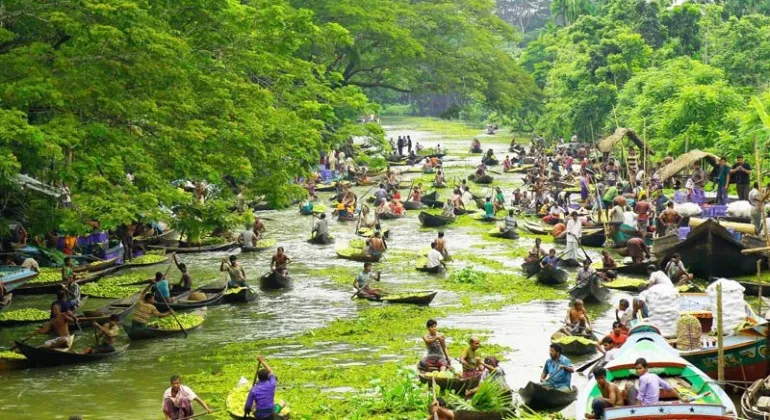
Bhimruli Floating Market – A Complete Travel Guide to Bangladesh’s famous floating guava market is one of the most well-known seasonal experiences in Jhalakathi. Local farmers and traders use boats to transport and sell agricultural produce, especially guavas during certain seasons. Visitors interested in river-based trade and rural life may find it a fruitful complement to the bridge. To get the most vibrant experience of the market, be sure to check the guava season and local boat movements before visiting.

Kirtipasha Zamindar House

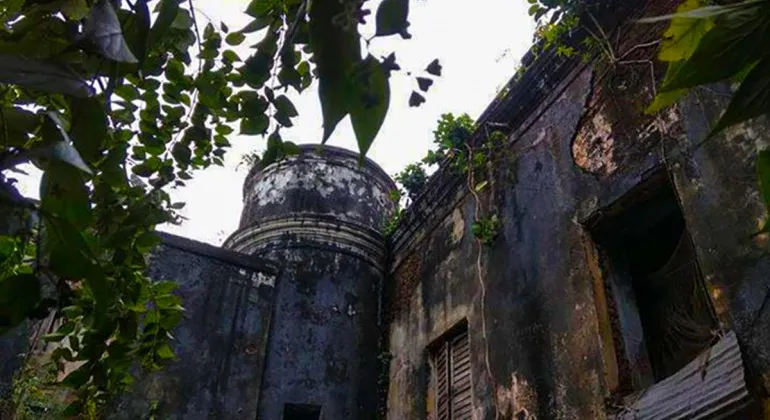
Kirtipasha Zamindar House, Jhalakathi – History, Architecture, Entry Fees and Complete Travel Guide This historic estate in the district offers an opportunity to explore the heritage of the area. This property is relevant for travelers interested in traditional architecture, local history and the social structures that influenced rural Bengal. Please check current access arrangements and respect private or protected areas.

Shujabad Fort

Shujabad Fort Jhalokati – History, Location, Entry Fees and Complete Travel Guide is another heritage-focused destination to consider when planning a larger itinerary in the district. Its historical context provides a different perspective from the modern transportation engineering of the Gabkhan Bridge. Check the exact route and local transportation conditions before including it in a short day trip.

Saturia Zamindar House

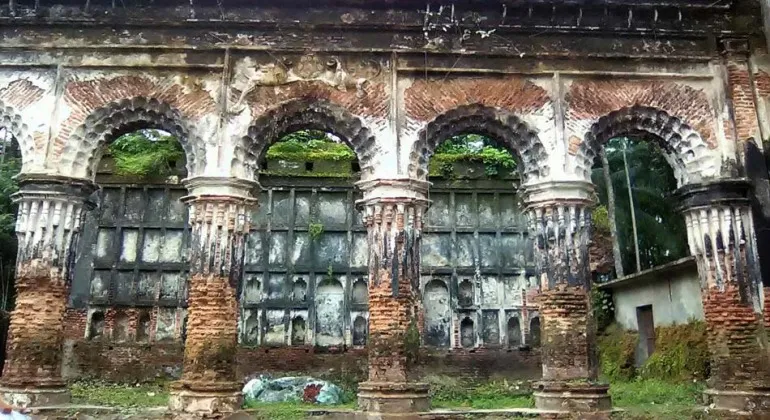
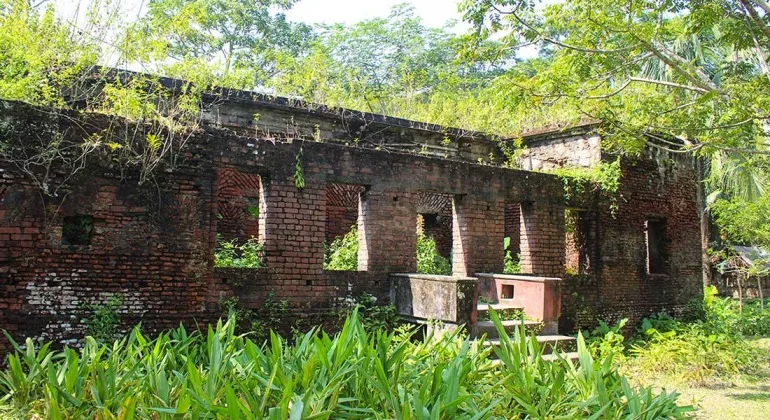
For those interested in seeing the historical manor houses and architectural ruins of the region, saturia Manor House in Jhalakathi is another destination. Its rural setting can be a nice addition to a heritage-focused trip, provided the journey is compatible with your transportation arrangements and sufficient daylight.

For a balanced itinerary, choose Gabkhan Bridge for architectural marvels, canal views and photography, then choose one or two other destinations according to your interests. Travelers during guava season may prefer Bhimruli, while those interested in history may prefer the Zamindars' houses and forts. Before starting the journey, make sure to check the route, local transport arrangements and transport costs.

Frequently Asked Questions (FAQ)

Gabkhan Bridge is located near Jhalokati town in Jhalokati district of Barisal division, Bangladesh. It crosses the Gabkhan Canal and is part of the regional road network connecting Jhalokati with neighboring districts. Before starting your journey, search for 'Gabakhan Bridge, Jhalokati' on Google Maps and verify the pin.

Explore The Area

Top Attractions & Places to Visit in Jhalokati

Discover more heritage, nature, and must-visit spots across Jhalokati.

View all in Jhalokati

Saturia Zamindar House Jhalokati

Visit the historic Saturia Zamindar Bari , also known as Mia Bari, located in Saturia village of Rajapur upazila in Jhal...

Shafayet Al-Anik

Shujabad Fort Jhalokati – History, Location, Entry Fees and Complete Travel Guide

Shujabad Fort Jhalakathi , also known as Shujabad Durg, is a historic Mughal-era fort located in Shujabad village, Magar...

Shafayet Al-Anik

logo ColoZai

ColoZai is a trusted travel guide and destination explorer platform in Bangladesh. We are making travel simple, authentic, and accessible for everyone.

Need Help ?

We are Always here for you! Knock us on Whatsapp (10AM - 10PM) or Email us.