Durga Sagar

Durga Sagar

Barisal
·

16 October 2026

Travel Overview & Quick Facts

Directions
Location
Barisal
Admission / Entry Fee
The general entry fee is around 20-30 taka per person, although some published guides mention 10 taka. Children may be eligible for discounted or free entry depending on the current gate rules. Additional charges may apply for boat rides, vehicle parking and organised picnics. The latest official ticket prices could not be independently verified; check the prices displayed at the entrance before paying.
Best Time to Visit
Open all year round, but November to February is especially recommended for bird watching.
Opening Hours
Daily 8:00 AM - 6:00 PM
Google Rating
★ 4.3 (3139 reviews)
Category / Type
Historic lakes, Nature and recreation, Bird watching destinations, Family picnic spots

Introduction to Durga Sagar

Durgasagar, also known as Durgasagar Dighi or Madhabpasha Dighi , is one of the most notable historical lakes in southern Bangladesh. Located in Madhabpasha village of Babuganj upazila, about 11–12 km from Barisal city, this vast freshwater reservoir combines more than two centuries of royal heritage with peaceful natural scenery, mature trees, seasonal birds, and family recreation opportunities. Although it has the word 'sagar' in its name, Durgasagar is actually a man-made lake, traditionally described in Bengali as a dighi or large dug pond.

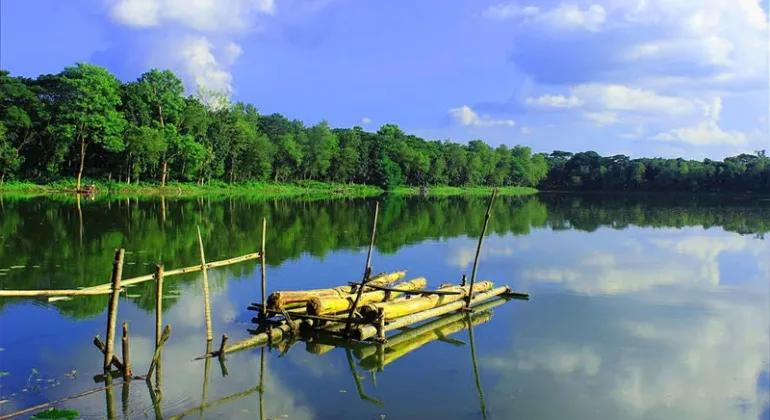
Durgasagar, associated with the erstwhile Chandradwip royal family, was constructed around 1780 , when the reservoir was dug to provide water to the surrounding population. It is closely associated with Rani Durgavati, the mother of King Jai Narayan, and remains an important part of the historical identity of greater Barisal. Today, the lake is regarded as one of the largest historical dug reservoirs in southern Bangladesh, with a wide water surface, shaded banks, and a distinctive tree-lined island near its center.

The attraction of Durgasagar lies in its combination of natural beauty and cultural significance. Visitors can admire the reflection of the surrounding trees, walk along a section of the embankment, take pictures of the island in the middle, watch the movement of birds on the water and enjoy a peaceful break from urban life. During the peak bird watching season in winter, migratory waterfowl can join the local species around the lake, making it particularly attractive to nature lovers and photographers.

Unlike a commercial amusement park, Durgasagar is best enjoyed at a leisurely pace. Allow about two hours for a leisurely stroll, or longer if you prefer to take photos, watch birds, or spend time by the water. Its easy-to-reach location makes it an excellent starting point for heritage-focused tours, including the Gutia Mosque and Lakutia Zamindar Bari .
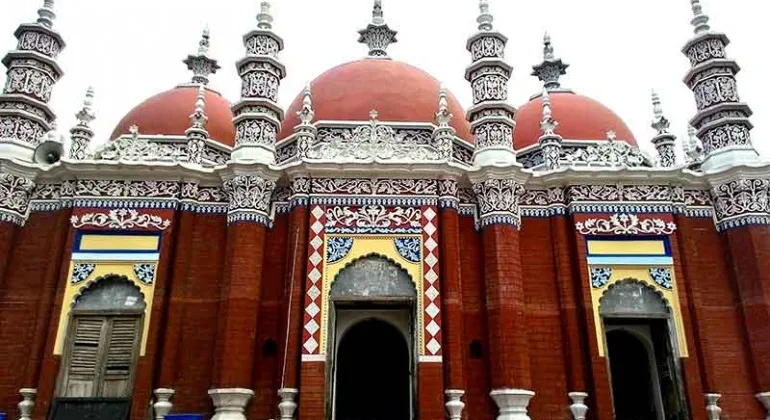
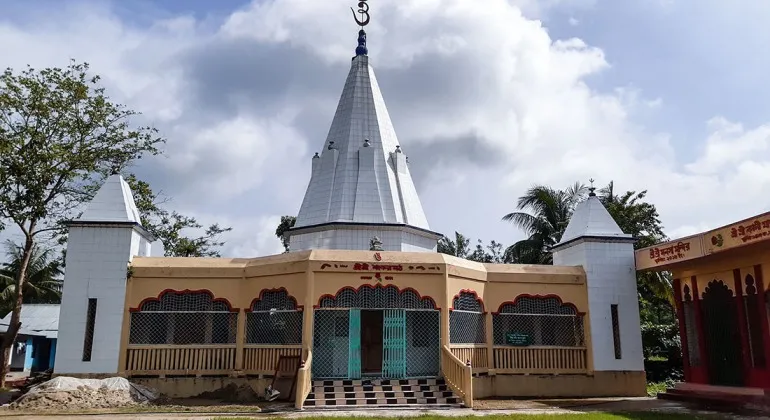
History and royal heritage of Durgasagar

Durgasagar is closely associated with the history of the Chandradwip kingdom, whose rulers dominated parts of the greater Barisal region. The reservoir is generally dated to 1780, a time when large ponds were essential public infrastructure. In the riverine landscape of Bengal, a dug reservoir could provide water for domestic use, support local livelihoods, and serve as a permanent symbol of royal responsibility to the people.

According to the National Tourism Portal of Bangladesh, the pond was dug at the instigation of Rani Durgavati, mother of Raja Jai ​​Narayan. Other historical and travel accounts link its construction to members of the Chandradwip royal family, including Raja Shiv Narayan. Although the account of the exact royal patronage varies, the origin of the reservoir in the 18th century and its association with Rani Durgavati is central to its local heritage.

Why is it called Durga Sagar?

The lake is named after Queen Durgavati, whose name is closely associated with its foundation. The name is a combination of the words 'Durga' and 'Sagar' (a Bengali word meaning sea), reflecting the extraordinary size of the excavated reservoir compared to a typical village pond. Locally, many residents still call this attraction 'Madhavpasha Dighi' , named after the village in which it is located.

Historical importance of the lake

Durgasagar represents an important chapter in the history of traditional water management in Bengal. Before the advent of modern piped water supply systems, large groups of reservoirs helped maintain water supplies for settlements. Their high banks and surrounding vegetation also became places for social gatherings, religious activities, and daily recreation.

The lake has cultural significance beyond tourism. Local religious accounts indicate that on certain days, Hindu devotees gather at the reservoir for traditional bathing rituals. Visitors should be respectful of any ongoing ceremonies and refrain from disturbing worshippers or taking photographs of them without permission.

Although the original royal structures in the region have changed over time, the surviving water reservoir remains a tangible reminder of 18th-century Barisal. Tourists interested in comparing the historical estates in the region can continue their journey to the Lakutia Zamindar House , another important site associated with the landowning elite of the region.


Landscape, central island and natural beauty

The landscape of Durgsagar is dominated by its wide, open water and green surroundings. It is generally stated that the lake covers an area of ​​about 25 hectares or about 62 acres, although published estimates vary, depending on whether the dam, adjacent land, or only the water surface is included. Some local accounts indicate that the entire historic property is about 45 acres. These differences reflect different methods of measurement and should not be taken as accurate surveyed measurements.

Tree-covered island

One of the most recognizable features of Durgasagar is the small tree-covered island rising from the middle of the lake. Its green nature creates a charming contrast with the surrounding water, especially when viewed from the embankment or the steps of the main entrance. The island is usually described as an artificial feature, which has become a part of the lake's ornamental landscape.

Today, the island contributes to the ecological character of the reservoir by providing a resting place for plants and birds. It is particularly attractive to photographers who seek a wide composition combining water, trees, reflections and distant coastline. Visitors should not assume that there is free access to the island; any crossing should only be made by an authorized service operating at the time.

Tree-lined embankments and traditional ghats

The bank is surrounded by well-established vegetation including coconut, betel nut, mahogany and other native trees. Walkways and paved access roads allow visitors to enjoy the lake from different perspectives. Traditional stepped walkways known as ghats connect different parts of the bank to the water.

The surrounding greenery is the main attraction of Durga Sagar. Visitors can see the reflection of trees, take pictures of the lake from different angles, or simply spend time observing the life around the water. The condition of the walking trails and facilities may vary, so it is advisable to wear comfortable shoes.

Changing scenery throughout the year

Durgasagar remains attractive throughout the year, but its atmosphere also changes with the changing seasons. Bird watching becomes a special attraction between November and February. At other times, visitors can enjoy its green surroundings, historic embankments, and the tranquil atmosphere of the reservoir. For the best experience, choose a quiet day of the week and allow enough time to explore without rushing.


Things to do in Durgasagara

Durgasagar offers a variety of leisurely activities focusing on history, nature, photography, and outdoor recreation. It is especially suitable for families, couples, casual tourists, and those visitors who prefer a scenic natural experience over crowded commercial entertainment centers.

1. Walk along the historic lake

Explore the accessible parts of the dam and enjoy the beauty of the reservoir from different perspectives. One of the easiest and most satisfying ways to appreciate the vastness of this historic excavation is to walk along the water. The surrounding vegetation creates an attractive environment for leisurely strolls.

2. See migratory and local birds

Durgsagar has long been associated with seasonal birdlife. During winter, migratory waterfowl can be seen resting or feeding around the reservoir. Lesser whistling duck and garganey are among the species mentioned in the regional description, although their occurrence rates vary depending on the season, habitat conditions and the level of environmental disturbance.

Bring binoculars or a camera with a zoom lens for bird watching. Maintain a respectful distance from resting or feeding birds, avoid loud singing, and try not to disturb the birds to take photos. Early morning and late afternoon are good times to observe the activity around the lake.

3. Take photos of island and waterside views

The central island is the main subject of the Durga Sagar photograph. The wide-angle composition highlights the shape of the lake and its surrounding greenery, while the telephoto image emphasizes the waterfowl, plants, and reflections. The late afternoon light can create a particularly striking scene on the water.

4. Enjoy a family picnic

The lush greenery surrounding Durga Sagar makes it a popular destination for family gatherings and picnics. Visitors should, where possible, use designated areas and check if prior permission or additional fees are required for organized picnics. Avoid littering, keep music volume to a tolerable level, and leave the area clean for other visitors.

5. Explore available boating opportunities

There are reportedly boat rides on Durga Sagar, which offer a different perspective on the surrounding vegetation and the central island. However, boat availability, approved routes, operations, and fares are subject to change. Do not assume that the government boat service will be operational on the day of your visit. If boat rides are available, seek the assistance of an authorized driver, ask for life jackets, confirm fares in advance, and follow all local safety guidelines.

6. Discover the heritage of Greater Barisal

Durgasagar can be combined with other tourist attractions that highlight the diverse cultural background of the district. Explore the Mughal-influenced religious architecture associated with the Mia Bari Mosque, admire the ornate courtyard of the Guthia Mosque , orvisit the Oxford Mission Church to discover a different chapter in the architectural heritage of the region.


Ticket prices and entry rules

Durgasagar is a low-cost tourist attraction. Published travel guides generally state that the entry fee is low, but the amounts quoted are not entirely consistent. Some guides state 10 taka per person, others around 20 taka, and some guides around 30 taka. No recent government ticket announcements have been independently verified, so visitors should check with the entrance counters for applicable prices.

Estimated visitor spending

Item Estimated cost Important information
General Admission About 20-30 taka per person Previously published rates may be lower; confirm at the gate.
Admission of children There may be discounts or free admission for very young children. Local confirmation is required for age limits and discounts.
Local bus from Barisal Approximately 25–40 taka per person (one way) Depends on boarding point and operator.
Shared local auto-rickshaws Approximately ৳40–৳60 per person for a one-way trip Availability and fares depend on the route.
Reserved CNG auto-rickshaw Approximate 500-700 taka for return trip, negotiable Agree on waiting times and return transportation arrangements.
Private car or microbus Approximately ৳1,500–৳2,500 for a half-day rental locally Fuel, wait times, and itinerary can affect prices.
Boat trip Price not reliably confirmed Only available if authorized services are enabled.
Parking Possible additional charges Confirm the displayed vehicle tariff.

These figures are estimates in Bangladeshi Taka, not confirmed government fees. Transportation costs and visitor fees are subject to change without prior notice, especially during holidays or special events.

Opening hours and visitor access

According to the published listing obtained from Google Maps, it is open daily from 8:00 AM to 6:00 PM . These hours may change due to local administrative decisions, maintenance, or special events. Plan to arrive with enough time to complete your visit before the entrance closes, and check the hours locally on public holidays.

Important entry rules

  • Purchase entry tickets from the designated counter and keep them with you during your visit.
  • Follow instructions regarding access to protected areas, water bodies, and visitor movement.
  • Do not enter the lake for swimming without explicit permission from the relevant authorities.
  • Avoid disturbing wildlife, moving plants, or feeding birds inappropriate food.
  • Use designated trash containers or take your trash with you.
  • Children should be supervised, especially near stairs and open water.
  • Get permission before hosting commercial photography, large events, or organized group activities.

Best time to visit Durga Sagar

Durgasagar welcomes visitors all year round, but the months of November to February are particularly suitable for those interested in bird watching and enjoying the outdoors at leisure. The seasonal wildlife of the lake is one of its main attractions during these months.

Recommended month for visit

Duration Visitor experience Recommendation
November to February Seasonal migratory birds, scenic lake views and delightful walking opportunities. Overall best for bird watching and nature photography.
March to April Historical scenery, local greenery and general entertainment. Suitable for sightseeing and short-term family trips.
May to September The vibrant vegetation around and the changing water conditions. Suitable if access and local conditions are favorable.
October Preparation for the main bird watching season. Good for comfortable travel and taking pictures of natural scenery.

Best time of day

For photography and bird watching, come between approximately 8am and 10am , or in the last two hours before closing. Mornings can provide a quieter atmosphere, while late afternoons are a great time for scenic photography. Bird sightings are not guaranteed.

For those looking for a quieter experience, weekdays are generally more convenient. Fridays, weekends, and public holidays can be more crowded with families and groups. If you're traveling with older travelers or small children, allow extra time for walking and resting.

Tourists interested in another unique natural attraction in Barisal district can also visit the shapla village of Satla , where the Shapla creates a different landscape with each season and requires separate seasonal planning.


How to reach

Durga Sagar is located in Madhabpasha village of Babuganj upazila of Barisal district, on the road connecting Barisal with Banaripara and Swarupkathi. It is located about 11-12 kilometers from central Barisal, making it a convenient place for a day trip from the district headquarters.

The most convenient way is to first reach Barisal city, then continue the journey by local bus, CNG autorickshaw, shared transport or rented car. The main entrance passes by the tourist spot and local drivers usually recognize the name Madhabpasha Dighi.

Option 1: By bus from Dhaka

  1. Go to a suitable departure point in Dhaka like Gabtoli or Sayedabad according to the bus operator.
  2. Book an intercity bus to Barisal. Companies operating on this route include Sakura Paribahan, Hanif Enterprises, and other regional services.
  3. Most modern roadways use the Padma Bridge corridor for travel. Depending on traffic, stops along the way, and your starting point, the journey can take an estimated 4-6 hours or more.
  4. Get off at Nathullabad Bus Terminal in Barisal or any other designated stop.
  5. From Nathullabad, take a local bus towards Banaripara or Swarupkathi or hire a CNG autorickshaw towards Madhabpasha.
  6. Ask to get off at Durga Sagar Dighi and follow the entrance signs near the main road.

Dhaka-Barisal bus fare estimate: Around ৳550–৳800 for many non-AC services and ৳1,000–৳1,500 for AC services. Actual fare depends on operator, seating class, demand, and booking date.

Option 2: River launch from Dhaka

  1. Travel to Sadarghat Launch Terminal in Dhaka.
  2. Check out the current schedule of passenger launches to Barisal. Historically, several night services have left in the evening.
  3. Choose a deck ticket or cabin according to your budget and comfort preferences.
  4. At the end of the journey, disembark at the Barisal river port.
  5. Hire a CNG autorickshaw or any other suitable local vehicle to go towards Nathullabad and Madhabpasha, or arrange a hire directly for Durgasagar.

Estimated launch fare: Approximately ৳200–৳400 for deck accommodations and ৳1,200–৳3,500 or more for cabins, depending on the ship, cabin class, and availability. River services and schedules are subject to change, so make sure your desired cruise is operating before setting off.

Option 3: By air from Dhaka

  1. Check if there are scheduled passenger flights operating between Hazrat Shahjalal International Airport in Dhaka and Barisal Airport on your scheduled travel date.
  2. If a suitable flight is available, the flight time is about 45 minutes.
  3. Rent a local car or CNG autorickshaw to go from Barisal Airport towards Madhabpasha and Durgasagar.
  4. Please allow extra time for airport formalities, baggage collection, and ground transportation.

As Barisal Airport is located in the greater Babuganj area, it may be convenient to reach Durgasagar by road. However, the availability of commercial flights is not guaranteed and the schedules or airfares of any currently operating flights have not been independently confirmed. Do not rely on air travel without checking the live booking system of any airline.

Option 4: By train from Dhaka

There is no direct passenger rail service from Dhaka to Barisal city or Durgasagar. Therefore, traveling by train is not a realistic direct option. Passengers who prefer rail transport will have to combine an available train journey to another connecting city with a subsequent long road journey, which is generally less convenient than traveling by direct bus or launch.

Option 5: By local transport from Barisal city

Transportation Estimated travel time Estimated rent
Local bus from Nathulabad 25–45 minutes ৳25–৳40 per person
Shared CNG or local auto-rickshaw 25-40 minutes ৳40–৳60 per person
Reserved CNG auto-rickshaw 25-40 minutes Approximate 500-700 taka for the return journey, negotiable.
Private car 25-35 minutes Estimated ৳1,500–৳2,500 for a local half-day booking
Motorcycle 20-35 minutes Varies depending on the fare or ride arrangement.

Nearby attractions and directions suggestions

  • Nathullabad Bus Terminal: An important starting point for public transport from Barisal city.
  • Madhabpasha: The village where Durga Sagar is located.
  • Barisal-Banaripara/Swarupkathi Road: The main road used to reach the tourist spot.
  • Madhabpasha Chandradeep High School and College: A local landmark of the surrounding area.
  • Guthia Mosque: Another notable tourist attraction accessible by road from the greater Madhabpasha area.

Local travel tip: Use both Durga Sagar and Madhavpasha Dighi when asking for directions. Before getting into a shared vehicle, make sure that the vehicle passes by the attraction. In case of reserved vehicles, negotiate the fare, waiting time and return journey before starting the journey.

Families planning a long trip can arrange for a private vehicle to visit (Guthia Mosque)Lakutia Zamindar Bari and Guthia Mosque on the same day, depending on travel time and opening times at each location .

Durga Sagar

GPS: 22.760986, 90.289507
Get Directions

Where to eat

Food options around Durga Sagar are generally limited compared to central Barisal. Tea, bottled water, biscuits, light meals and simple drinks can be found at small roadside stalls and local shops. Their availability may vary depending on the day and season, so visitors should not be sure of finding a full-fledged restaurant by the lake.

Local snacks and drinks

If you are going for a short stay, you can take drinking water and some light snacks with you. Traditional tea stall items like singaras, samosas, biscuits and seasonal fruits can be found in small shops around Madhab Pasha. Always check their freshness and price before buying.

Traditional food of Barisal that you can try

For even better food, head back to Barisal city, where more varieties of Bengali food are available in restaurants and local food stalls. Popular regional dishes include:

  • Hilsa fish: A popular ingredient in Bengali cuisine, often fried, cooked in curry or with mustard masala.
  • Rice and fish curry: A familiar everyday dish that reflects the riverside food culture of southern Bangladesh.
  • Bharta and Bhaji: Mashed or fried vegetable dishes that are usually served with rice.
  • Dal and traditional Bengali food: An affordable option for a filling lunch for travelers.
  • Amra: A sour-tasting tropical fruit closely associated with Barisal, often eaten fresh or with spices.
  • Local Sweets: Traditional Bengali sweets found in sweet shops throughout the district.

Recommended meal plan

A realistic itinerary is to have breakfast in Barisal city, take a morning tour of Durgasagar, and return to the city for lunch. Alternatively, families who want to combine a visit to the lake with a visit to Guthia Mosque can check current availability and plan meals at a suitable restaurant along their itinerary.

Budget around 50–150 taka per person for a simple snack and drinks. A typical local restaurant meal can cost around 150–350 taka, while larger fish dishes and more elaborate dishes can cost significantly more. These are approximate budgets, not verified menus.

Visitors should dispose of food responsibly and refrain from feeding wild birds or other animals near the lake.


Where to stay?

Durgasagar is usually visited during the day, and accommodation is limited in the immediate vicinity of the lake. Barisal city is the most convenient place to spend the night, as it is easily accessible to hotels, restaurants, shops, transport terminals, and other cultural attractions.

Hotels in Barisal city

Travelers can inquire about established accommodation options in the city, such as Hotel Grand Park, Hotel Arena, Hotel Sedona, and other locally run hotels or guesthouses. These names are found in published Barisal travel guides, but they should check current room availability, management status, amenities, and prices directly before booking.

Estimated housing budget

Housing Department Estimated nightly budget Suitable for
Simple guesthouse Approximately 800–1,500 taka Budget-conscious solo travelers
Standard City Hotel Approximately ৳1,500–৳3,000 Couples and families looking for simple private accommodation
High-class hotel Approximately ৳3,000–৳6,000 or more For visitors looking for extra comfort and amenities

These are general planning ranges, not current verified property prices. Actual prices vary depending on the hotel, room type, occupancy, season, and booking conditions.

Best area to stay

  • Central Barisal: Convenient for dining, shopping, and visiting historical sites.
  • Nathullabad area: Convenient for passengers arriving by intercity bus or planning to travel further by road.
  • River port and city center area: Suitable for visitors arriving by launch and wishing to explore the central tourist attractions.

If you are in Barisal city , it is easy to visit (Bells Park Bangabandhu Udyan Barisal)Oxford Mission Church , Bibi's Pond , and Bell's Park (Bangabandhu Udyan) without having to spend the night separately near Durgasagar .

Before confirming your accommodation, check the property's exact address, reviews from recent guests, ID requirements, air conditioning, bathroom facilities, and cancellation policy.


Practical travel tips and visitor safety

Durgasagar is perfect for a relaxing family trip, but a little preparation can help visitors enjoy this historic site comfortably and safely. Since this attraction is centered around a large open body of water, it is especially important to be aware of the water's edge.

What to bring

  • Comfortable shoes for walking on embankments and paved paths.
  • Drinking water and light snacks.
  • A charged mobile phone and portable power bank.
  • Binoculars for seasonal bird watching.
  • A camera or smartphone for taking pictures of natural scenery.
  • A hat or umbrella for personal comfort.
  • Small amount of cash for entrance fees, snacks, and local transportation.

Safety around the lake

Stay on maintained paths and designated visitor areas. Stone or concrete steps can be slippery and riverbanks can be uneven. Children should be closely supervised, especially near piers, boats, and unprotected bodies of water.

Avoid swimming, jumping into the lake, or attempting to reach the central island without authorized arrangements. If there is a boat arrangement, use a life jacket, follow the driver's safety instructions, and avoid overcrowded boats.

Responsible tourism

Durgasagar has historical, ecological and cultural importance. Do not disturb birds, damage plants, carve names on trees or throw plastic waste on the riverbank. Respect religious activities and take permission from individuals before taking pictures.

Accessibility considerations

Accessibility may be uneven in different parts of the attraction. While some areas have paved roads, the ghats, stairs and embankments may pose obstacles for wheelchair users or visitors with limited mobility. The availability of specific entrances without stairs, accessible toilets and wheelchair facilities could not be independently verified. Visitors with special accessibility needs should check with local authorities for up-to-date information.

Emergency assistance

Bangladesh's national emergency service can be contacted by dialing 999. If necessary, visitors should contact local authorities or the tourist police, depending on the situation. Before exploring the relatively quiet parts of the lake, reserve your return transportation.


Suggested half-day and full-day itineraries

While Durgasagar is small enough for a short trip, its location within the heritage landscape of greater Barisal makes it a worthwhile part of a full day trip.

Half-day nature and heritage tour

Recommended time Activity
8:00 am After breakfast, leave Barisal city.
08:30 AM Upon reaching Durgasagara, purchase the entry ticket.
08:45 AM Walk along the accessible part of the lake shore and take a picture of the island in the middle.
9:30 am Watch the birds and enjoy the shady surroundings.
10:30 am Take a break and look at the matter from another perspective.
11:00 am Travel to Barisal city or visit any other tourist attraction.

This schedule is indicative and assumes the generally published opening time of 8:00 a.m. Please adjust it according to transportation availability, walking speed, and site conditions.

Full-day Barisal Heritage Circuit

  1. Morning: Start your journey from Durga Sagar to walk along the lakeside, take pictures, and watch birds depending on the season.
  2. As the day progresses: Proceed to Lakutia Zamindar House to explore another aspect of the district's historic zamindari culture . Confirm visitor access before the trip.
  3. Noon: Take a break for lunch on the way or at a suitable restaurant in Barisal city.
  4. Afternoon: Enjoy the beauty of Guthia Mosque by visiting its architectural style and well-decorated courtyard.
  5. Late afternoon: Return to the city or, if you have time, end the trip by visiting bells Park (Bangabandhu Udyan).

The correct sequence should be consistent with opening times, available roads, prayer times, transportation arrangements, and traffic congestion. A reserved car or CNG autorickshaw is usually more convenient than relying on multiple independent local connections.


Nearby attractions

Durgasagar is an excellent base for exploring the heritage, religious architecture, well-maintained open spaces, and natural attractions of Barisal district. From nearby historical sites to longer treks within the district, the following destinations will make your trip more fruitful.

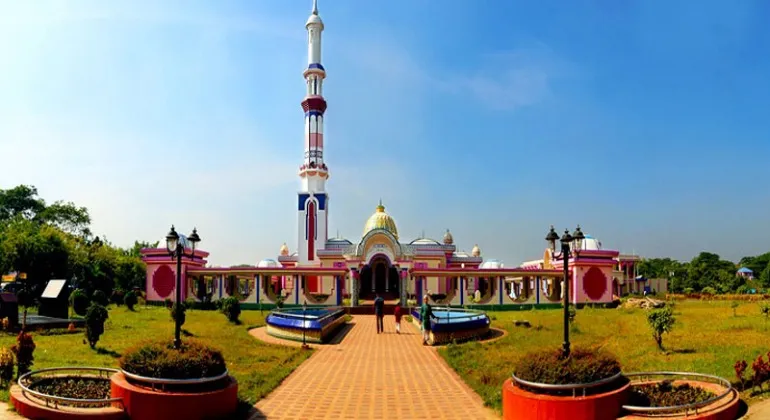
Guthia Mosque, also known as Baitul Aman Jame Masjid, is one of the most impressive modern mosque complexes in southern Bangladesh. Its magnificent architecture, spacious courtyard, reflecting pond and well-decorated surroundings make it an attractive complement to Durgasagar. These two destinations can be included in the same road trip.

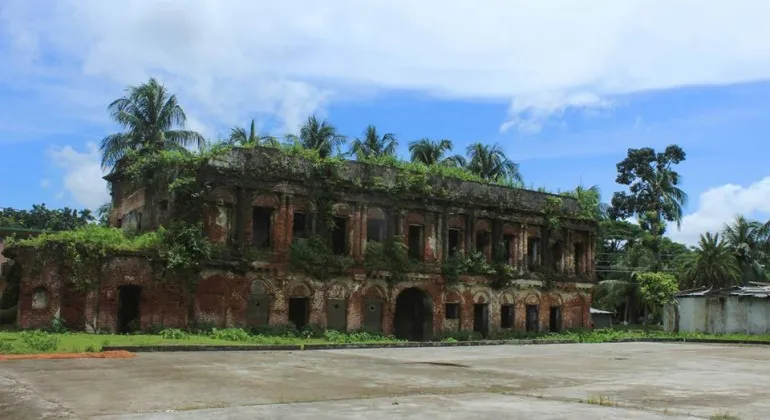
Lakutia Zamindar Bari preserves the memories of the influential zamindar families of Barisal. The setting of its historic estate creates a striking contrast to the royal water-management tradition of Durgasagar. It is particularly worthwhile for travelers interested in architecture, local history, and photography. Check current access restrictions before visiting the old structures.

Mia Bari Mosque is a significant religious heritage site in the greater Barisal area. Its traditional architecture and historical features make it a worthwhile destination for visitors who want to explore its Muslim architectural heritage beyond the well-known modern mosque complexes of the district.

Oxford Mission Church is one of the most distinctive historical religious buildings in Barisal city, known for its massive red brick architecture and missionary heritage. It creates a striking architectural contrast with the 18th century landscape of Durgasagar.

Bibi's Pond is a well-known site in central Barisal and another example of the region's traditional relationship with ponds and urban water bodies. Visitors interested in the historical role of Durgasagar can appreciate its significance by comparing this prominent pond located in the heart of the city with a large rural reservoir.

Sri Sri Shankar Math Barisal (Sri Sri Shankar Moth Barisal)

Sri Sri Shankar Tirtha is an important Hindu religious and cultural site in Barisal. It is suitable for visitors interested in the diverse spiritual heritage of the district and provides additional context for understanding the religious heritage surrounding historical sites such as Durgasagar.

Bell's Park, commonly associated with Bangabandhu Udyan, is a notable public recreation center in Barisal city. It is a convenient place for an afternoon stroll or a family outing after returning from Durgasagar.

The Sher-e-Bangla Memorial Museum commemorates one of the most influential political figures in Bengal, AK Fazlul Haque. It adds an educational and historical dimension to the Barisal itinerary, especially for travelers interested in learning about the figures and events that shaped the modern history of the region.

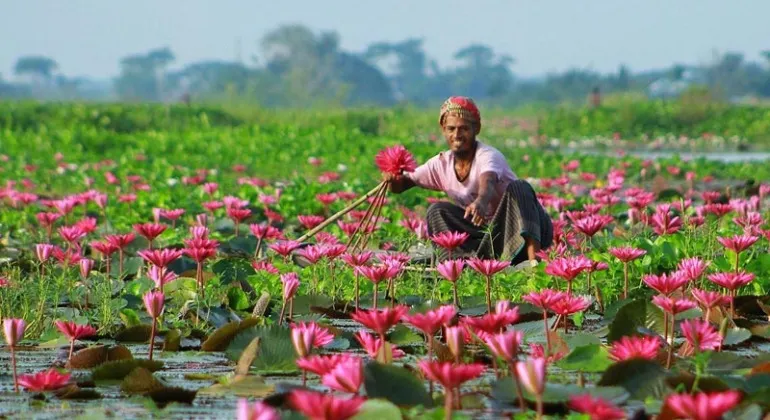
Shapla Village Satla is a unique natural destination, known for its seasonal display of Shapla. Located a bit away from central Barisal, it is best visited as a standalone trip or as part of a carefully planned extended itinerary. Its waterfront landscape creates a beautiful contrast with the historic excavated reservoir of Durgasagar.

Suggested Combinations: For a decent day trip, prioritize Durga Sagar, Lakutia Zamindar Bari, and Guthia Mosque. For a comprehensive cultural tour, spend extra time visiting Oxford Mission Church, Bibi Pukur, and other urban attractions in central Barisal. If possible, keep Shapla village Satla for a separate seasonal nature tour.

Frequently Asked Questions (FAQ)

Durgasagar is located in Madhabpasha village of Babuganj upazila of Barisal district, Bangladesh . It is located about 11-12 kilometers from Barisal city on the Banaripara and Swarupkathi roads. Locally, this place is also known as Madhabpasha Dighi. Travelers can reach here by local buses, CNG autorickshaws or private vehicles from Nathullabad bus terminal. The journey usually takes about 25-45 minutes, depending on traffic congestion and the starting point.

Explore The Area

Top Attractions & Places to Visit in Barisal

Discover more heritage, nature, and must-visit spots across Barisal.

View all in Barisal

Guthia Mosque

Guthia Mosque , officially known as Baitul Aman Jame Mosque and Eidgah Complex , is one of the most famous religious sit...

Shafayet Al-Anik

Mia Bari Mosque, Barisal – Complete Travel Guide to the Historic Karapur Mosque

Mia Bari Mosque, also known as Karapur Mia Bari Mosque , Korapur Mia Bari Mosque or Mia Bari Jame Mosque , is one of the...

Shafayet Al-Anik

Sri Sri Shankar Moth Barisal – History, Architecture, Travel Guide & Visitor Information

Sri Sri Shankar Math (also spelled Sri Sri Shankar Math or Shankar Math) is a Hindu religious pilgrimage site located in...

Shafayet Al-Anik

Bells Park Bangabandhu Udyan Barisal

Bell's Park, officially known as Bangabandhu Udyan, is one of the most well-known green spaces in Barisal, Bangladesh. L...

Shafayet Al-Anik

Bibi's Pond Barisal

Bibi Pukur is one of the most well-known historical sites in the heart of Barisal city, Bangladesh . Located along the b...

Shafayet Al-Anik

Oxford Mission Church, Barisal – A Complete Travel Guide to the Historic Red Church in Bangladesh

The Oxford Mission Church , officially known as the Oxford Mission Epiphany Cathedral Church, in Barisal, Bangladesh, is...

Shafayet Al-Anik

Sher-e-Bangla Memorial Museum

Sher -e-Bangla Memorial Museum , also known as Sher-e-Bangla Museum or Chakkar Museum, is a historical tourist attractio...

Shafayet Al-Anik

Lakutia Zamindar's house

Lakutia Zamindar Bari, also known as Lakutia Zamindar Bari or Babur Bari , is one of the historic zamindar estates in Ba...

Shafayet Al-Anik

Shapla Village Satla – Red Water Lily Village in Barisal, Bangladesh

Shapla Village Satla, also known as Satla Beel, Shaplar Beel or Satla Water Lily Village , is one of the most notable se...

Shafayet Al-Anik

logo ColoZai

ColoZai is a trusted travel guide and destination explorer platform in Bangladesh. We are making travel simple, authentic, and accessible for everyone.

Need Help ?

We are Always here for you! Knock us on Whatsapp (10AM - 10PM) or Email us.