Deepshikha Mathayom School Dinajpur

Deepshikha Mathayom School Dinajpur

Dinajpur
·

16 October 2026

Travel Overview & Quick Facts

Directions
Location
Dinajpur
Admission / Entry Fee
Entry is free for visitors. Deepshikha Mete School is an active educational institution, so visitors should contact the school or Deepshikha in advance to confirm permission, visitation arrangements, photography rules and any current restrictions. Donations should be made only through authorized representatives.
Best Time to Visit
October to March; weekday mornings are best for architectural tours, depending on school activities and inspector's permission.
Opening Hours
Visitors are welcome daily from 9:00 AM to 5:00 PM; check with school authorities for current visiting hours and Friday entry before arriving.
Category / Type
Sustainable architecture, educational monuments, cultural heritage, rural tourism

Introduction to Deepshikha Mathayom School Dinajpur

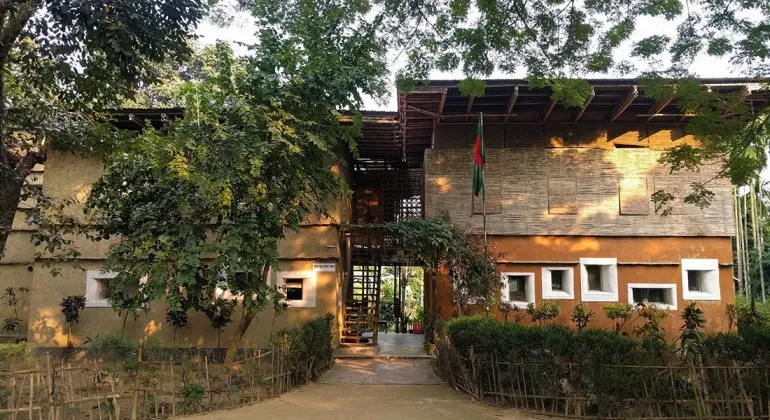
Deepshikha Meti School, also known as Meti Handcrafted School, is one of the most unique examples of sustainable architecture and people-centered education in Bangladesh. Located in Rudrapur village of Birol upazila of Dinajpur district, the school combines traditional Bangladeshi construction techniques with thoughtful contemporary design. Its mud walls, bamboo frame, and locally sourced materials create a building that feels like a part of the rural landscape rather than an imposing structure.

Unlike a traditional tourist destination, it is a functioning educational institution supported by the Bangladeshi non-profit development organization Deepshikha. The school was established with the aim of improving educational opportunities for children in Rudrapur and the surrounding areas. Its architectural significance has attracted visitors interested in design, sustainability, rural development, and education.

The school's handcrafted architecture gained international recognition when it received the Aga Khan Award for Architecture in 2007. Designed by Anna Herringer and Ike Rosswag and built in collaboration with local craftsmen, the building demonstrates how traditional knowledge and locally available resources can help create an innovative and effective learning environment.

Visitors planning a visit should keep in mind that the main purpose of this compound is education. Contact the school in advance, obtain permission, and follow all instructions from staff. For travelers visiting the larger district, this school can be part of a cultural itinerary that also includes the Dinajpur Palace and other architectural landmarks.


Why did Deepshikha go to METI School?

Deepshikha Meti School offers a different experience from the temples, palaces and entertainment venues that are usually included in Dinajpur's itinerary. Its appeal lies in the combination of architecture, community history, environmental awareness and educational objectives.

Internationally recognized sustainable architecture

The school gained international recognition after receiving the Aga Khan Award for Architecture in 2007. Its design demonstrates how architecture can respond to local climate, building traditions, available materials, and community needs. It is particularly relevant to architecture students, sustainable-design professionals, researchers, and travelers interested in environmentally friendly buildings.

Traditional clay and bamboo construction

The building uses earth-based construction, bamboo frames and other locally available materials. These elements are integrated into a two-story structure, which balances the practical needs of the classroom with a strong connection to local building traditions. The contrast between the strong earth walls and the light bamboo elements gives the school a distinctive look.

A school designed with children in mind

The project was designed to support education in a rural community where lack of educational opportunities was a major concern. The school is associated with an educational approach that encourages learning through participation, creativity, practical activities and experiences. Therefore, its importance is not limited to the physical building.

A meaningful experience of rural life in Bangladesh

Rudrapur offers a glimpse into everyday village life in northwestern Bangladesh. This journey through the surrounding countryside helps to understand why locally sourced materials, traditional crafts, and community participation were important in the design of the school. Visitors should be respectful of the local residents and refrain from treating the school or its students as mere photographic exhibits.


History of Deepshikha METI School

Deepshikha's work in Rudrapur began as part of a larger effort to expand educational opportunities and social development in rural Dinajpur. The Meti School project is part of the organization's commitment to making education more accessible and encouraging children to learn in a supportive environment.

The school's founding date as an educational enterprise is generally considered to be 1 September 1999. Construction of its internationally recognized handcrafted building began in 2005 and was completed in 2006. These dates do not indicate conflicting accounts of a single construction event, but rather indicate different stages in the institution's development.

Architect Anna Herringer, together with architect and engineer Ike Rosswag, designed the design in collaboration with local builders and craftsmen. The project combines architectural planning with practical building knowledge deeply rooted in the community. Rather than relying entirely on imported industrial materials, the design uses clay, bamboo and locally available resources.

The project was recognized by the Aga Khan Award for Architecture in 2007, helping to establish the school as an influential example of sustainable architecture. Its legacy is particularly relevant in discussions of low-impact construction, indigenous design, participatory development, and the role of architecture in improving public services.

The school is associated with Deepshikha's educational and developmental work. As an active institution, its current programs, classroom layouts, and access policies are subject to change. Visitors should check arrangements directly with the organization rather than relying solely on past travel reports.


Special attractions of architecture and design

The main reason many visitors find the Deepshikha Mete School is its architectural style. Its design is a shining example of how familiar materials and traditional craftsmanship can be used to create a building with a strong architectural identity and practical educational functionality.

Earthen walls and natural materials

A central element in the building's visual character and construction technique is earth. When properly designed and maintained, earth construction can utilize locally available resources and reduce reliance on energy-intensive materials. This school demonstrates the potential for applying such techniques in a modern educational institution.

Bamboo structure and light material

Bamboo contributes to the light construction style and distinctive ornamentation of the upper floors of the building. Its use highlights the importance of local craftsmanship and demonstrates how different materials can complement each other in structural and architectural roles.

Natural light and ventilation

The design considers daylight, airflow, and the relationship between the interior learning space and the surrounding environment. These qualities are important in educational architecture, where comfortable environments and usable classroom space can influence the daily learning experience.

Crafts and community participation

Local construction workers were essential to transforming the design into a functional building. Their involvement highlights the importance of construction skills, which are often overlooked in conventional architectural practice. For architecture students, this school provides an effective case study in the relationship between design intent, material selection, construction techniques, and local knowledge.

Visitors should only observe the building from areas approved by the school authorities. They should not climb any part of the bamboo, enter reserved classrooms, or touch any fragile objects without permission.


Dipshikha METI Things to do at school

  • Observe the hand-made architecture: From the area permitted for visitors, assess the relationship between the mud walls, bamboo construction, entrances, transportation systems, and the surrounding rural landscape.
  • Learn about sustainable construction: Consider how local materials and traditional techniques can be adapted for contemporary government buildings.
  • Explore the social context of the project: Learn about the role of Deepshikha and the school's contribution to creating educational opportunities in rural communities.
  • Photograph architectural details: Only take exterior photos with permission. Ask permission before taking photos of staff, students, or classroom activities.
  • Talk to authorized representatives: If there is an organized tour or explanation, take advantage of the opportunity to learn firsthand about the project's history and construction methods.
  • Explore rural Dinajpur: Combine this trip with selected heritage sites elsewhere in the district, but leave enough travel time for the rural road network.

Allow approximately 45-90 minutes for a planned architectural visit, depending on access permits and the scope for interpretation conducted by staff. This is a planned estimated time, not the duration of a formal visit. The school is an educational institution, so access to classrooms and interior spaces cannot be guaranteed.


Ticket prices and entry rules

According to published local travel information, visitors to Deepshikha Mete School are free to enter. However, free entry should not be interpreted as unrestricted access to an active school campus. Arrangements for visitors may depend on the academic calendar, ongoing activities, staff availability, and institutional rules.

Entrance fees and other expenses

  • Reported admission price: Free.
  • Guided Visits: Availability and applicable costs should be confirmed with the school authorities in advance.
  • Transportation: Bus, auto-rickshaw, CNG or rented car fare is separate from the entrance fee.
  • Donations: Donations should not be assumed to be mandatory. Any voluntary donations must be made through an authorized representative.

Guide for visitors

  • Contact school authorities before traveling and obtain permission for your planned visit.
  • Follow the instructions of officials and stay in the areas designated for visitors.
  • Keep noise as low as possible, especially during classes and exams.
  • Ask permission before taking pictures of people or entering classrooms.
  • Do not disrupt teaching, touch school equipment, or enter areas reserved for staff only.
  • Make sure you are allowed to bring food, bags, or other personal items inside the premises.
  • Dress modestly and keep the campus clean.

To know about the current arrangements, please contact Deepshikha's Rudrapur office through the contact details published. The organization's website is Deepshikha Contact Us .


Opening hours and best time to visit

According to local reports, the hours for visitors are approximately 9 a.m. to 5 p.m. Other directory listings indicate different hours, including earlier closing times and Friday closings. Since these descriptions are not entirely consistent, visitors should contact the school to confirm current hours before traveling.

Weekday mornings are a convenient time for visitors interested in seeing the architecture and surrounding rural landscape, provided that permission is obtained for the visit. However, access or photography may be limited due to school activities, and there is no guarantee that classrooms will be open to tourists during school hours.

October to March is a good time to include the school in your larger plan for a trip to Dinajpur. This fascinating place can be considered for a visit throughout the year, depending on local conditions, road conditions, school activities, and permits.

Before traveling, confirm the visit date, opening and closing times, photography regulations, and whether an authorized person will be present to receive visitors. If access cannot be confirmed, plan to travel to an alternative location in Dinajpur rather than assuming the campus will be open to the public.


How to reach

Deepshikha Mete School is located in Rudrapur village, Birol upazila, Dinajpur district, northwestern Bangladesh. The school is generally stated to be located about 22–25 kilometers from Dinajpur city, although the actual distance depends on the route and starting point.

Step 1: Travel from Dhaka to Dinajpur

By bus: Take an intercity bus to Dinajpur from any departure point in Dhaka, such as Gabtoli or Kalyanpur. The journey time usually takes 8-10 hours or more, depending on traffic, road conditions, and the service chosen. Older travel guides mention an estimated fare of 800-1500 taka per person, but these are not verified current prices, but historical estimates. Check the operator's latest fares and timetable before booking.

By Train: From Kamalapur Railway Station in Dhaka, take a suitable train like Ekta Express, Pratijan Express or Panchagarh Express available on your scheduled date to reach Dinajpur. The journey time and stoppages may vary depending on the train service. Check the current Bangladesh Railway timetable, seat availability and ticket prices before travelling.

By air: There is no regular commercial passenger airport offering direct service to Dinajpur. For most travellers, travelling by road or rail is a convenient option. If air travel is essential, check with a suitable regional airport for current flight schedules and ensure onward road connections; do not assume that direct flights to Dinajpur will be available.

Step 2: Reach the school from Dinajpur city.

By hired car or private vehicle: This is usually the easiest option for those who are not familiar with the area. Ask the driver to show you the way to Deepshikha Meti School, located in Rudrapur, Birol, Dinajpur, using the correct map pin for the school. Make sure to arrange your return journey before leaving the city. According to seasoned travelers, the cost of a journey in a hired CNG or private car is around 800–1,200 taka, but this can vary significantly depending on the type of car, waiting time, fuel and current local rates. Know the cost before you start your journey.

By Local Bus and Auto Rickshaw: Ask locally about buses or other public transport plying towards Birol and Rudrapur or Mangalpur areas. Public transport routes and stoppages may vary. Hire a CNG, autorickshaw or locally available vehicle to reach the school from the nearest suitable stop. Confirm the round trip fare from the driver before boarding the vehicle.

By motorcycle or bicycle: Travelers already based in Dinajpur can consider using a motorcycle or bicycle to travel to the countryside, if they are experienced, the route is suitable, and the weather and road conditions are favorable. Bicycles are best suited for travelers who can comfortably and safely return from long rural routes.

Step 3: Confirm the final procedure

Use the map pin for Deepshikha Meti School and verify the final destination with a local driver or school. Do not rely solely on the generic name of the destination, as the map directory may show slightly different coordinates for the same campus. Allow extra time for local roads and gate access.

Nearby landmarks: Rudrapur village in Birol upazila is the main area. Dinajpur town is the main transport and accommodation hub for most visitors. For directions to the nearest bus stop or to arrange a local pickup, contact Deepshikha before starting your journey.

Travel Budget Note: The bus, train, and local fares mentioned in this guide are estimates based on previously published travel information. They are not final prices. Please check current fares, road conditions, and vehicle availability before you travel.

Deepshikha Mathayom School Dinajpur

GPS: 25.7572, 88.5528
Get Directions

Where to eat

Dinajpur city is one of the most reliable places to find a variety of restaurants before or after a trip to Rudrapur. In the city center, visitors can find Bangladeshi rice dishes, fish, chicken, vegetables, pulses, light meals, tea, and familiar fast-food.

Older local travel guides mention restaurants like Rustom, Sonargaon, Dilkusha and Ahar in Dinajpur. Their current status, exact location, opening hours and menus should be verified locally rather than assumed.

Food options near the school may be limited compared to the city. You may want to consider eating before you leave or plan to eat somewhere on the way back. Check with the school in advance to see if you can bring food or drinks onto campus, as some visitor reports have mentioned restrictions on bringing food inside.

For a relaxing day trip, leave time for lunch in Dinajpur and avoid taking long breaks at any restaurants during the scheduled time for approved school visits.


Where to stay?

Dinajpur city is the recommended place to stay for most visitors, as it offers the convenience of intercity transportation, local vehicles, restaurants, and a wider range of accommodations than the rural setting of Rudrapur.

Budget accommodation

Find established residential hotels and guesthouses in the city center. Older travelogues mention Hotel Diamond, Hotel Al Rashid, Hotel Nabin, and Hotel Rehana. Do not view these as verified current recommendations, but rather as names for your search and confirm the hotel's address, availability, cleanliness, amenities, and price before booking.

Mid-range and convenient accommodation

Travelers who prefer more amenities should compare the currently operating hotels in Dinajpur city and choose a hotel with reliable transportation, suitable room amenities, and convenient check-out times. Before paying, check out recent guest reviews and cancellation policies.

Overnight plans

If Deepshikha Mete School is one of the destinations on your itinerary, then staying in Dinajpur city will allow you to visit various cultural and historical places in the district along with the school. Before booking a non-refundable room or making long-distance travel arrangements, make sure to check the school visit arrangements.

Accommodation availability and rental rates vary depending on the season and local demand. Check current prices directly with the authorities and make sure that breakfast, parking, and late check-in are included.


Photography and responsible tourism

The Deepshikha Meti School is particularly interesting for architectural photography due to its earthen surfaces, bamboo craftsmanship, movement spaces, and relationship to the rural environment. However, photography should be kept secondary to the educational purpose of the school.

  • Ask the staff which exterior and interior areas can be photographed.
  • Get explicit permission before taking photos of students, teachers, or classroom activities.
  • Do not publish identifiable images of children without proper permission.
  • Avoid taking pictures using flash or making movements that disrupt the lesson.
  • Do not climb on structures, lean on fragile parts, or move school property to get a better picture.
  • Respect local residents and ask permission before taking photos of private homes or social activities.

Architecture enthusiasts can take full advantage of this visit by observing changes in materials, structural details, daylighting, ventilation systems, and the building's response to its surroundings. It can also be helpful for students and researchers to sketch or take notes from the designated areas.


Practical travel tips

  • Make advance arrangements for entry: Contact the school or Deepshikha before traveling, especially if you are traveling in a group or conducting academic research.
  • Carry cash: You may need cash for local transportation and small purchases. Don't assume that card or mobile-payment facilities will be available at your destination.
  • Agree on transportation costs: Confirm the full fare, waiting charges, and return arrangements with your driver.
  • Save the map pin: Mobile data coverage and navigation accuracy may vary in rural areas.
  • Be flexible with visit times: classes, exams, holidays, and institutional activities can affect accessibility.
  • Wear appropriate shoes: Choose comfortable shoes for walking on rural roads and in permitted open spaces.
  • Respect the campus: This is an active educational institution, not a free museum or commercial attraction.
  • Plan an alternative destination: If permission is not available, consider going to another traditional destination in Dinajpur instead of trying to enter the restricted area.

For institutional inquiries, please use the official contact page of Deepshikha . The published contact information mentions a Rudrapur office located in Birol, Dinajpur. Please check the relevant contact numbers and current arrangements for visitors before starting your journey.


Nearby attractions

After visiting Deepshikha Meti School, travelers can explore other destinations in Dinajpur district. Distances and travel times may vary, so check the route before planning to visit multiple places in a day. The following places offer a wonderful blend of religious architecture, local history, nature, and entertainment.

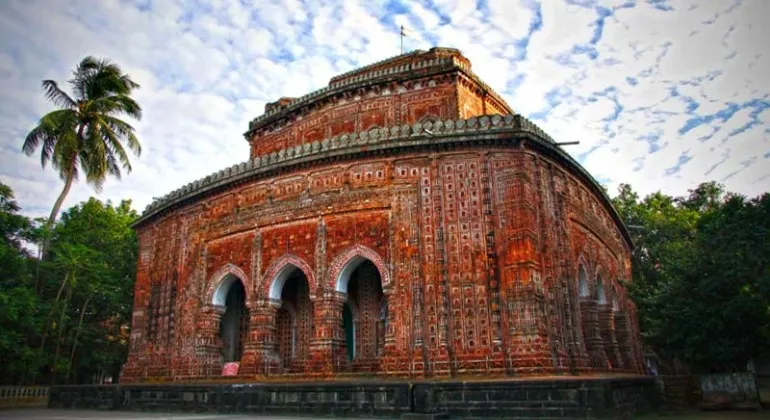
Kantajiu Temple, also known as Kantajiu or Kantaji Temple, is one of the well-known historical Hindu temples in Dinajpur. It is famous for its elaborate terracotta decoration and richly decorated exterior. Visitors interested in the history of craftsmanship and architecture can compare its traditional terracotta work with the clay and bamboo design principles of the Methi school.

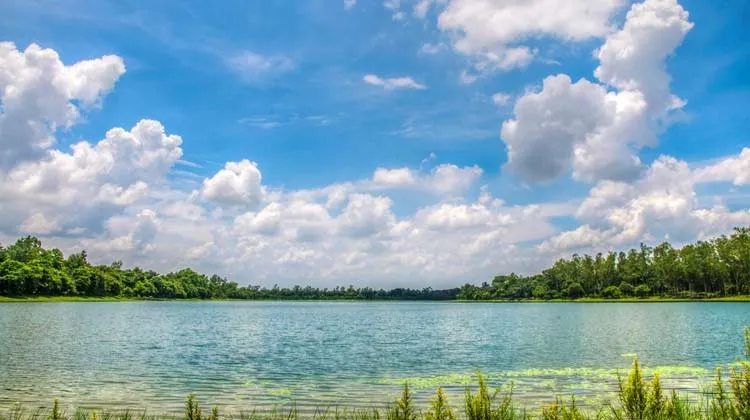
Ramsagar is a large historical reservoir and a popular natural and recreational destination. Its vast waters and surrounding landscape provide a refreshing change from the monotony of architecture-focused travel. It is suitable for tourists interested in local history, open spaces, and leisurely travel.

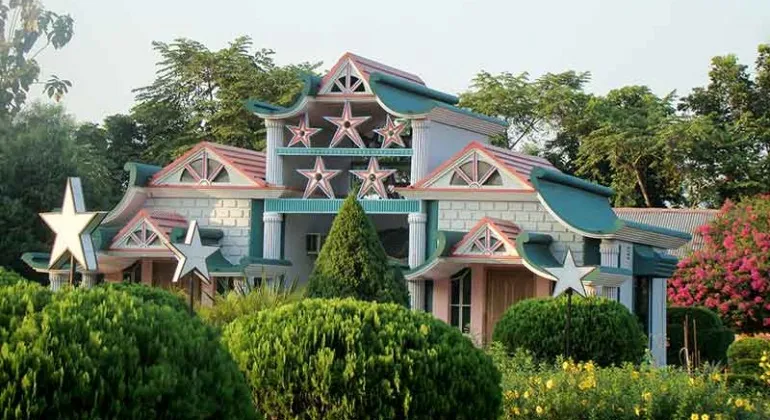
Shopanpuri in Dinajpur district is a recreational destination known for its well-maintained grounds and leisure-oriented features. It may be suitable for families or groups who want to take a recreational break along with visiting cultural sites. Check current access, operating hours and applicable charges before traveling.

Nayabad Mosque is a historic mosque, known for its traditional brick construction style and regional architectural features. It is a place worth considering for travelers who explore the religious heritage of the district and compare different methods of local building traditions.

This university is a major educational institution in Dinajpur. It may be relevant for visitors interested in education and the district's contemporary learning environment. Access to university buildings and campus facilities may be restricted, so check the visitor regulations before arranging a visit.

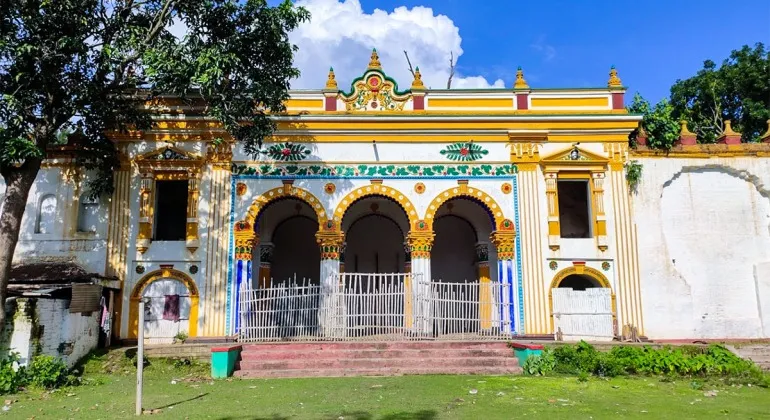
Dinajpur Palace, commonly known as Dinajpur Rajbari, represents the historic royal heritage of the district. Its architecture and historical context create an effective contrast with the contemporary, community-centric design approach of the Meti School. Please check the current condition of the site and visitor access before visiting.

For those interested in the religious architecture and heritage of the region, the Sura Mosque is another option. Only include it in your itinerary after checking its location relative to your other destinations and making sure that it is possible to visit the place on the desired date.

Suggested itinerary: Plan to visit Deepshikha Meti School in the morning, then choose one or two other places of interest based on travel time and convenience. Kantajeu Temple, Ramsagar Dighi, and the district's historic mosques and palaces can be part of a larger Dinajpur heritage tour, but not all of them may be close to Rudrapur. First, secure school permission and transportation, and avoid rushing to visit an active educational institution.

Frequently Asked Questions (FAQ)

Deepshikha Mete School is located in Rudrapur village, Birol upazila, Dinajpur district, Bangladesh. Depending on the route, its distance from Dinajpur city is usually stated to be about 22-25 kilometers. Visitors can travel from Dinajpur by rented car, CNG, auto rickshaw or suitable local public transport. Please contact the school before starting the journey to confirm the exact distance to the final destination.

Explore The Area

Top Attractions & Places to Visit in Dinajpur

Discover more heritage, nature, and must-visit spots across Dinajpur.

View all in Dinajpur

Kantajeu Temple

Kantaji Temple, also known as Kantaji Temple or Kantanagar Temple, is one of the most remarkable historical monuments in...

Shafayet Al-Anik

Ramsagar Dighi Dinajpur

Ramsagar Dighi in Dinajpur , also known as Ramsagar Lake or Ramsagar National Park, is one of the most notable historica...

Shafayet Al-Anik

Dinajpur Palace

Dinajpur Rajbari , also known as Dinajpur Rajprasad or Rajbati, is an important historical site in Dinajpur District, no...

Shafayet Al-Anik

Shopanopuri Artificial Amusement Park

Swapnapuri Artificial Amusement Park, also known as Swapnapuri Picnic Spot or Swapnapuri Park , is one of the most well-...

Shafayet Al-Anik

Haji Mohammad Danesh University of Science and Technology

Haji Mohammad Danesh Science and Technology University (HSTU) is an important government university in the northern regi...

Shafayet Al-Anik

Nayabad Mosque in Dinajpur

The Nayabad Mosque in Dinajpur is one of the most notable historical mosques in northern Bangladesh, known for its strik...

Shafayet Al-Anik

Sura Mosque Dinajpur

The Sura Mosque of Dinajpur is a historic Islamic architectural monument located in Ghoraghat Upazila of Dinajpur Distri...

Shafayet Al-Anik

logo ColoZai

ColoZai is a trusted travel guide and destination explorer platform in Bangladesh. We are making travel simple, authentic, and accessible for everyone.

Need Help ?

We are Always here for you! Knock us on Whatsapp (10AM - 10PM) or Email us.