Dibir Haor, Sylhet – Complete Travel Guide to Lal Shapla Lake in Jaintapur

Dibir Haor, Sylhet – Complete Travel Guide to Lal Shapla Lake in Jaintapur

Sylhet
·

16 October 2026

Travel Overview & Quick Facts

Location
Sylhet
Admission / Entry Fee
General entry to Dibir Haor is free; no specific entry ticket is guaranteed. Optional local boat trips typically cost around 400-600 taka per boat for an hour, depending on the size of the boat, season, and local management. Shared local transport and private vehicle hire incur additional costs. Please confirm current fares, passenger capacity, and any locally imposed charges before traveling.
Best Time to Visit
September to December, especially November; travel at sunrise to see the red lotus.
Opening Hours
There are no verified opening hours available on Google Maps. The natural wetland is generally visited during the day and the recommended time to view the flowers is from sunrise to approximately 9 am. Boat hours may vary.
Category / Type
Natural wetlands, Red lotus attraction, Nature and wildlife, Scenic boat trips

Introduction to Dibir Haor, Sylhet – Complete Travel Guide to Lal Shapla Lake in Jaintapur

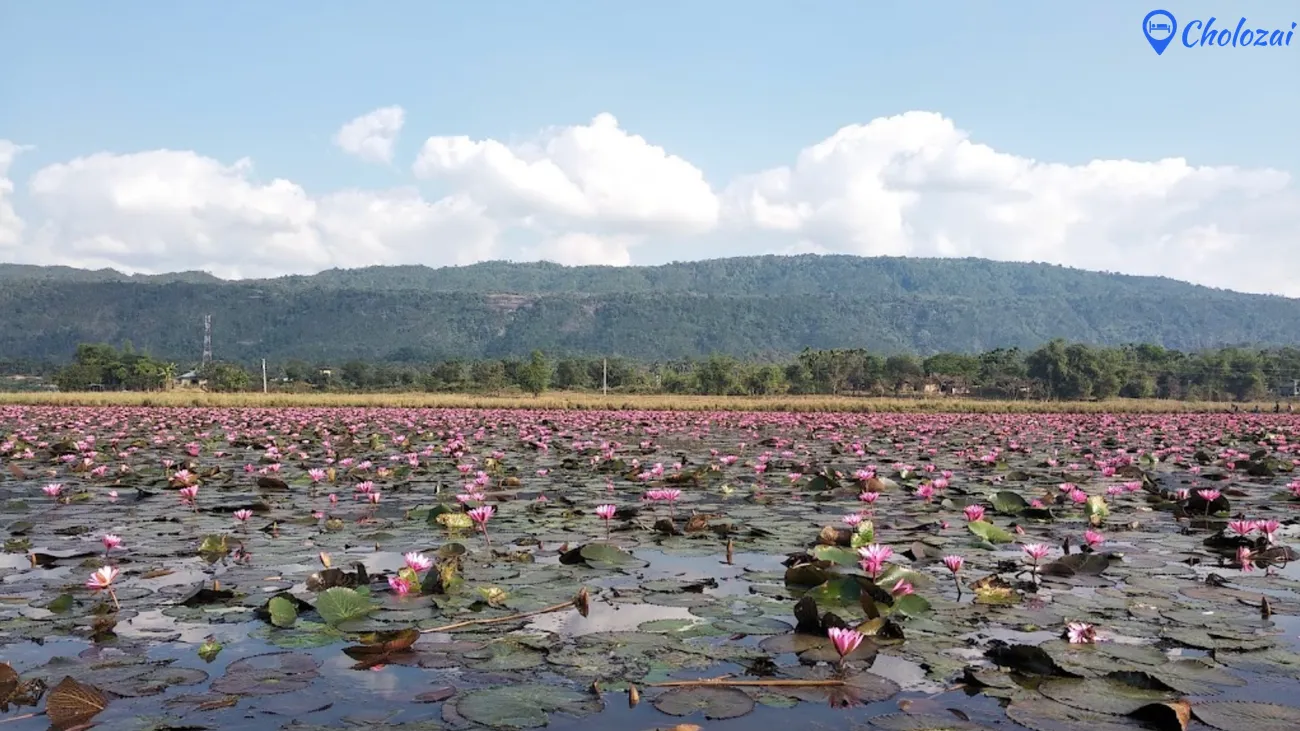
DBir Haor, also known as Shapla Beel, DBir Haor Lake or Lal Shapla Lake , is one of the most beautiful natural attractions in Jayantapur Upazila of Sylhet District, Bangladesh. Famous for its mesmerizing display of red lotus flowers, this wetland is transformed into a breathtaking natural spectacle during the seasons, where thousands of gorgeous red flowers bloom on the water against the backdrop of the distant green hills of Meghalaya, India. For travelers seeking tranquil scenery, traditional boat rides, bird watching and memorable photo opportunities, DBir Haor offers a different experience than other crowded tourist destinations in the region.

Located about 42-45 km northeast of Sylhet city, near the Bangladesh-India border, DB Haor is not a conventional park or artificially created lake, but rather an interconnected freshwater wetland system. This vast area contains four main water bodies: DB Beel, Yam Beel, Horofkata Beel, and Kendriya Beel . In total, these wetlands are generally described as covering an area of ​​about 900 acres, although their visible water content varies seasonally.

This attraction is particularly noticeable between September and December, when the red lotus flowers are usually at their most impressive. November is widely considered one of the best months to see the flowers. Visitors should arrive around sunrise, as the flowers open early in the morning and gradually close as the day progresses. As the day progresses, this magnificent carpet of red flowers can become much less visible.

Under the cover of flowers, Dibir Haor offers an intimate glimpse into the rural landscape of northeastern Bangladesh. Fishermen fish in the shallow waterways, birds forage among the aquatic plants, and village life continues on the edge of the wetlands. Unlike any commercial entertainment center, its greatest attraction is its natural setting itself.

Dibir Haor is also conveniently located for exploring the Jayantapur-Tamabil corridor. Travelers can combine Dibir Haor with a morning trip to lalakhal in Sylhet , orcontinue their journey towards Jaflong to see the hilly scenery, riverside landscapes, and other sights .

Trip planning essentials: Allow approximately 1-2 hours at the wetlands, especially during the flowering season, preferably before sunrise. General admission is usually free, but traditional boat tours cost extra. Basic amenities are limited, so visitors should bring drinking water, cash, suitable footwear, and essential personal items. The URL for a verified Google Maps location, direct Google review statistics, and official Google Maps operating hours have not been independently established for this guide; these details should not be relied upon as definitive.

Natural beauty and the famous red lotus

The main attraction of Dibir Haor is its spectacular display of red lotus flowers, locally known as 'Lal Shapla' . During the flowering season, the bright red flowers bloom amidst the floating green leaves, creating a captivating contrast against the surrounding water and distant mountain backdrop. The scene becomes particularly beautiful just after sunrise, when the flowers bloom and the soft light of dawn illuminates their petals.

Four connected wetlands

The Dibir Haor is associated with four major beels, or natural freshwater lowlands, which are part of a larger wetland landscape.

  • Dibi Beel: This water body is most closely associated with the name Dibi Haor and its popular lotus flower scene.
  • Yam Beel: Part of an interconnected wetland system, which contributes to the aquatic habitat and seasonal landscape of the area.
  • Horofkata Beel: Another component of the wetland complex, which sustains aquatic plants and local biodiversity.
  • Central Beel: One of four recognized beels, which collectively characterize the landscape of the Dibir Haor.

The estimated combined area of ​​these wetlands is often stated to be 900 acres. However, visitors should understand that water depth, navigable areas, visible flora, and accessible boating routes can vary considerably depending on the season.

Why are lotus flowers red?

This attraction is known for its naturally occurring red-flowered water lilies. According to local accounts, the flowers were introduced decades ago by members of the Khasi community for religious or ceremonial purposes. Over time, the lilies spread to surrounding water bodies and became a major attraction in the area. This account is part of local historical tradition and should not be interpreted as a fully documented botanical history.

The backdrop of the mountains of Meghalaya

Across the international border, the foothills of Meghalaya stretch across the northern horizon. The presence of these mountains makes the Dibir Haor particularly photogenic: the water covered in flowers in the foreground, traditional fishing boats in the distance, and the tiered mountains on the horizon. Travelers should keep in mind that these mountains lie across an international border; visiting the Dibir Haor does not grant entry into India.

Changing seasonal landscape

The Dibir Haor does not look the same throughout the year. At times, the vast open water dominates the scene; at other times, floating aquatic plants, water lilies, and open marsh edges are more prominent. The red flowers are seasonal and not guaranteed to bloom every day. Travelers whose main purpose is to photograph the blooming water lilies are strongly advised to check recent local photos and ask boatmen about the current condition of the flowers.


History, Jaintia traditions and local culture

The Dibir Haor is not just a fascinating natural landscape. It is part of the historical and cultural geography of Jaintapur, a region closely associated with the erstwhile Jaintia kingdom. Its surrounding area has a rich heritage of indigenous communities, traditional agriculture, cross-border cultural connections, and historical political settlements.

Connection with the Jaintia Kingdom

Historically, Jayantpur was an important centre of the Jaintia kingdom. According to local folklore, the Dibir Haor is associated with the death of the Jaintia ruler Raja Ram Singh, who allegedly drowned. Various accounts also mention an ancient monument or temple associated with this event, which is sometimes estimated to be about two centuries old.

These stories contribute to the cultural identity of the wetland. However, the precise location, date, and identity of surviving structures are not consistently established in available historical sources. Visitors should consider these accounts as local tradition rather than as definitive archaeological truth.

Traditional wetland life

For the surrounding communities, the haor is not just a tourist attraction, but also a working area. Fishing, seasonal agricultural activities, water transport, and the use of local natural resources have long influenced the daily life of the region.

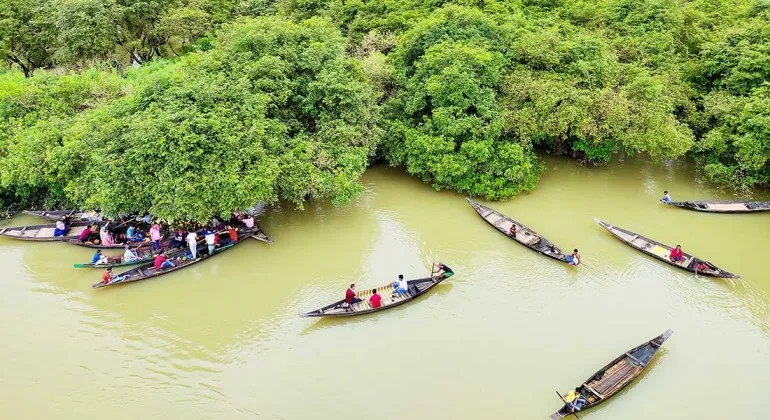
On the morning tour, tourists can see fishermen in traditional boats, villagers navigating narrow paths, and small settlements along the water. These experiences provide valuable insights into rural life in Sylhet. Visitors should be respectful of private property, refrain from damaging fishing equipment, and seek permission from residents before taking photographs.

Indigenous cultural connections

The Khasi and Jaintia communities have historical links with the greater Jayantapur region. Their relationship with the surrounding hills, water bodies and local flora is part of the diverse cultural background of the region. Tourists interested in regional heritage can explore the historical landscape of Jayantapur as well as the natural beauty of the haors.


Best things to do in Dibir Haor

Although commercial tourism facilities in Dibir Haor are relatively few, it still offers some enjoyable experiences for travelers who love natural scenery and a leisurely stroll.

1. Take a boat trip in the early morning

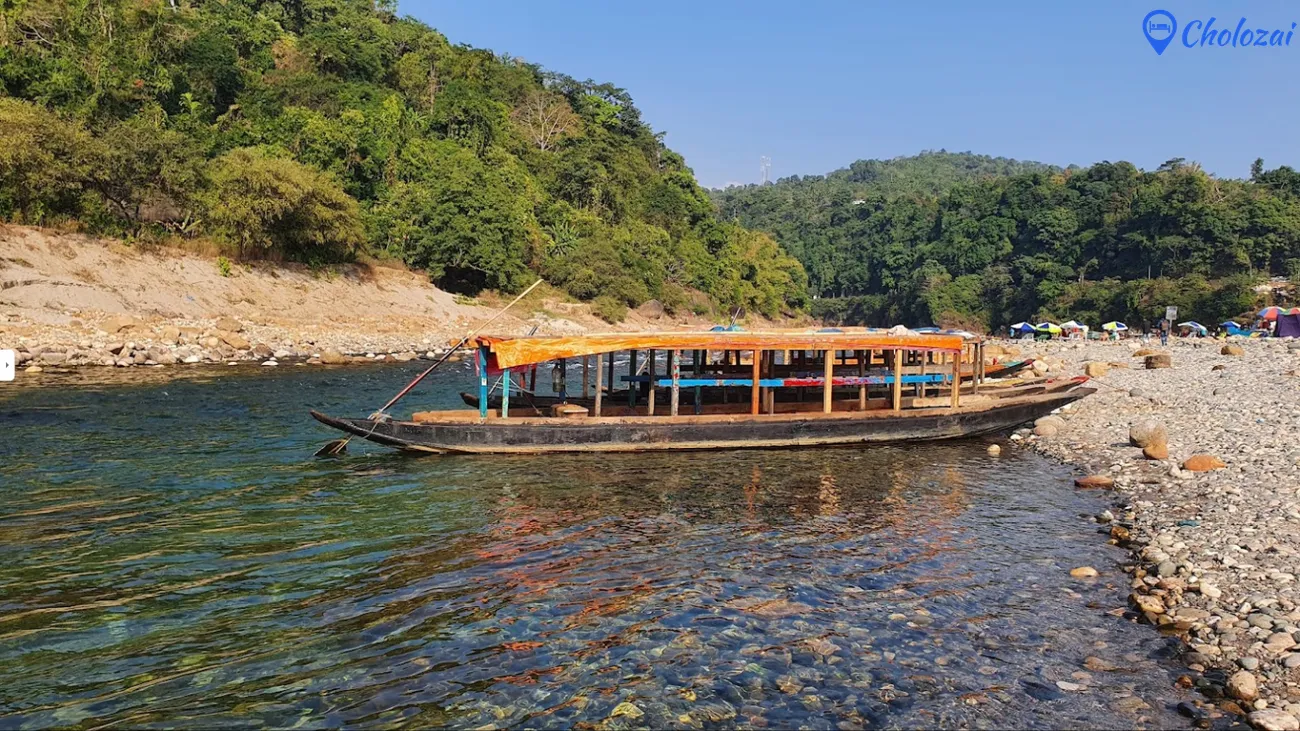
One of the attractions of Dibir Haor is the traditional wooden boat trip. Local boatmen take visitors along the easily accessible waterways, allowing them to observe the lotus flowers, floating plants, and the surrounding natural scenery up close. A 45-60 minute trip is usually enough to get a comfortable introduction to this wetland, although longer trips can be arranged if the route and water level are favorable.

Agree on the full fare, duration, number of passengers, and route before boarding the boat. Ask for a life jacket for each passenger and avoid overcrowded boats. Boat services are informal and availability should not be assumed.

2. Take a picture of a red lotus.

The Dibir Haor is particularly popular with nature photographers. The best opportunities to photograph the blooming flowers are usually at sunrise and in the first few hours of the day. Look for compositions that include the lotus flower in the foreground, its reflection, the traditional wooden boat, and the distant hills of Meghalaya.

A phone camera is sufficient for taking landscape photos, while a camera with a medium telephoto lens can take pictures of distant birds without disturbing them. Avoid standing on fragile aquatic plants or asking boaters to cut flowers for a photo op.

3. Enjoy bird watching

This wetland is home to both local and seasonal waterfowl. Depending on the time of year and local conditions, visitors may see ducks, grebes, ducks, and other waterfowl. Migratory birds may also be seen in winter, although there is no guarantee of seeing them.

If bird watching is your main objective, bring binoculars. Speak softly, maintain a respectful distance from nesting or feeding birds, and avoid using drones near wildlife.

4. Experience the rural landscape

Outside the popular boating areas, there are village paths, farmland and traditional settlements. A short walk along the edge of the easily accessible wetlands will reveal the daily life of Jayantapur. Follow the designated paths, avoid entering private land and be especially careful around the muddy banks.

5. Watch the sunrise over the marshes

Sunrise is one of the most beautiful experiences at Dibir Haor. The combination of soft natural light, blooming flowers, and its reflection on the water creates a wonderful atmosphere for sightseeing and photography. It is necessary to arrange transportation in advance to arrive before sunrise, as regular public transport and local boats may not operate during that time.

6. Combine natural and cultural travel

After visiting the haor, tourists can continue their journey through the Jayantapur region to explore more natural and historical attractions. The nearby Lalakhal area is particularly attractive for its river views, while Jaflong offers picturesque views of the Meghalaya foothills and border areas.


Best time to visit Dibir Haor

The prime time to enjoy the famous red lotuses of the Dibir Haor is from September to December, with November often cited as the month for particularly spectacular flowering . The exact timing and density of flowering may vary from year to year.

Seasonal travel guide

Duration What visitors can expect Travel recommendations
September–October The flowering season may begin in various parts of the wetlands. There is a good chance of taking pictures of Shapla at the beginning of the season.
November It is often cited as a particularly excellent month for red lotus. One of the best options for flower-centric travel.
December Flowers may remain visible in some areas, and bird watching opportunities may increase. Depending on the situation, flowers and nature observation are suitable for combining.
January–February Winter wetland views and seasonal birdlife; floral cover may have been significantly reduced. It's definitely better for peaceful wandering than red flowers.
March–August Changes in the wetland landscape and water levels without prior expectations of widespread blooms. Check local accessibility and take a tour to see the general scenery.

Best time of day

To see the red lotus, try to arrive at the boat landing site near sunrise during the blooming season, preferably before 7 a.m. The flowers usually gradually close as the morning progresses. Visitors arriving after approximately 9-10 a.m. may not see the most impressive view of the blooming flowers.

Outside of the peak flower viewing season, the haor remains a natural wetland, but the water access, boat availability, and visibility are not on par with the schedule of any guaranteed commercial attractions. Avoid boating after dark or when conditions are unsafe.


Ticket prices, boat rentals and entry rules

Entry to Dibir Haor is generally free. It is an open natural wetland, not a conventional ticket-based tourist park. The main cost for visitors is to hire a local boat, then arrange for transportation, refreshments, and an optional guide.

Estimated visitor spending

Service Estimated cost Important notes
General admission Free No general admission tickets have been confirmed; local arrangements may change.
Traditional boat trip Approximately ৳400–৳600 per boat for about an hour Discuss capacity, duration, and total fare before the journey begins.
Local bus from Sylhet to Jayantapur Approximately 70-120 taka per person Estimated fare, which depends on the transport company and current rates.
Local electric rickshaws or shared auto-rickshaws About 20-50 taka per person Availability and pricing depend on the starting point of the trip and whether the car is being shared.
Reserved CNG auto-rickshaw from Sylhet Approximately ৳1,500–৳2,000 to arrange a refund, subject to negotiation Confirm waiting times, return journeys, and number of breaks.
Food and drink Approximately 150-400 taka per person It depends on where the food is being purchased from.

Pricing Note: These are approximate itinerary ideas based on published local travel reports, not independently verified current fares. Boat fares range from around 300 to 600 taka, according to various sources. Final prices may vary depending on demand, boat size, route, and duration of the journey.

Important access and safety rules

  • Always wear the correct size life jacket when traveling by boat.
  • Do not overload the boat or stop unexpectedly while the vessel is underway.
  • Never enter deep water or attempt to swim in unfamiliar parts of the wetlands.
  • Do not pluck, uproot, or damage water lilies or other aquatic plants.
  • Do not throw plastic wrap, bottles, and food scraps into the water.
  • Show respect for local fishermen, agricultural land, and village property.
  • Follow the instructions of local authorities, especially in security-sensitive border areas.
  • Ask permission before taking photos of residents or culturally significant structures.
  • Don't assume that boats operate throughout the day or after sunset.
  • Families with young children should choose stable boats, ensure they have life jackets of the appropriate size for the children, and keep an eye on the children at all times.

Since the facilities and management arrangements are informal, visitors should confirm any updated rules and regulations from local residents, boatmen, or the relevant Jayantapur authorities.


How to reach

DB Haor is located in Jayantapur Upazila of Sylhet district, about 42-45 km northeast of Sylhet city . The main route to reach here is the Sylhet-Tamabil Road , which also serves passengers going to Jaflong and the Bangladesh-India border. Most visitors reach this wetland via Jayantapur by local buses, CNG autorickshaws or private vehicles.

Dhaka to Sylhet by bus

  1. Go to a suitable intercity bus departure point in Dhaka, such as Sayedabad, Fakirapul, or any other terminal used by your chosen operator.
  2. Book an air-conditioned or non-air-conditioned intercity bus to Sylhet.
  3. Allow approximately 5-8 hours for the road trip under normal circumstances, with additional time to be added for traffic and road delays.
  4. The budget per person is around 700-1,800 taka, depending on the operator, seat class, and booking date.
  5. After reaching Sylhet, use local transport to reach Jayantapur or hire a reserved car for Dibir Haor.

For tourists who prioritize the sunrise flower show, pre-arranged onward transportation with an overnight bus may be convenient. However, the actual arrival time may be uncertain, so spending the previous night in Sylhet or Jayantapur is usually more reliable.

Dhaka to Sylhet by train

  1. Board the Sylhet-bound train from Kamalapur Railway Station in Dhaka or any other authorized boarding station on this route.
  2. Commonly known bus services operating on the Dhaka-Sylhet route include Parabat Express, Jayantika Express, Upaban Express, and Kalni Express. Before booking, make sure to check their current operating days and schedules.
  3. The journey will take approximately 6-8 hours, depending on the service selected.
  4. The estimated rail fare per person can range from around ৳400 to over ৳1,300, depending on the class and current prices.
  5. Arrange a CNG auto-rickshaw, private car or local vehicle to go from Sylhet Railway Station to the bus departure point in Jayantapur.

Train tickets and current timetables can be viewed through the official e-ticketing service of Bangladesh Railway. It is advisable to book tickets in advance during public holidays and popular travel seasons.

Dhaka to Sylhet by air

  1. Book a domestic flight from Hazrat Shahjalal International Airport in Dhaka to Osmani International Airport in Sylhet.
  2. Excluding airport formalities and ground transfers, the flight usually takes about 45-60 minutes.
  3. Airfares vary considerably depending on the airline, season, and booking date. A one-way ticket can generally cost around 3,500–9,000 taka or more.
  4. Rent a car from Sylhet Airport to Jayantapur or drive through Sylhet city.
  5. If your main objective is to see blooming lotus flowers, then make arrangements to leave for Dibir Haor early in the morning.

Dibir Haor by local bus from Sylhet city

  1. As per the current service, get off at any bus departure point, such as Kadamtali or Shobhanighat area, operating on the Sylhet-Jaintapur-Tamabil or Jaflong corridor.
  2. Board a bus headed towards Jayantapur, Tamabil, or Jaflong and tell the conductor that you are going on a trip to Dibir Haor or Shapla Beel.
  3. It usually takes 60-90 minutes to get to Jayantapur.
  4. Get off near Jayantapur Bazar or, if the driver confirms the location, get off near the entrance to the Dibir Haor BGB camp, across from the market.
  5. Proceed to the entrance to the wetlands by local electric rickshaw, CNG autorickshaw, or on foot.

According to the published route description, the BGB Dibir Haor Camp is located about 2 km from Jayantapur Bazar and the wetland can be reached via a village road about 1 km long from the camp area. These are approximate local directions, not surveyed walking distances. Please confirm the correct access route from the local residents before starting the journey.

Allow an estimated ৳70–৳120 per person for the Sylhet-Jaintapur bus ride and an additional ৳20–৳50 per person for shared local transfers, if available. Actual fare may vary.

In reserved CNG auto-rickshaws or private cars

Renting a car from Sylhet city is one of the most convenient options for families, photography enthusiasts, and travelers planning to see the sunrise. A reserved CNG autorickshaw can cost approximately ৳1,500–৳2,000 with a negotiated return trip, while private car and microbus fares vary depending on the type of vehicle, distance, waiting time, and stops at additional sightseeing spots.

Make sure to clearly agree whether the quotation includes return journey, early morning departure, parking, waiting time and additional destinations. For a day trip, a reserved vehicle can also connect Dibir Haor to Lalakhal or Jaflong .

Important landmarks and directions advice

  • Jayantapur Bazar: A convenient place for local transportation and directions.
  • Sylhet-Tamabil Road: This was the main highway corridor reaching the area.
  • BGB Dibir Haor Camp: An important site mentioned in various published visitor guidelines; follow current access restrictions and do not enter the security checkpoint.
  • Shapla Beel: A widely used local name for the flower viewing wetland.
  • Meghalaya Foothills: A prominent geographical feature visible beyond the northern wetlands.

Directions Tip: While several coordinates for the larger wetland are available in public geographic databases, they do not provide a verified Google Maps access pin. Before importing GPS metadata or navigating to a specific boat launch location, it is important to verify the exact Google Maps location URL directly. Visitors should understand the difference between the geographic center of the wetland and its practical access point.


Where to eat

Dining options are limited right next to Dibir Haor compared to central Sylhet. The destination is essentially a rural wetland, so travelers should not expect any major restaurants, cafes, or formal dining facilities set up at the boat embarkation point.

Breakfast around Jayantapur

Jayantapur Bazaar and roadside settlements along the Sylhet-Tamabil corridor are convenient places for a local breakfast before or after visiting the haor. Depending on the shop, typical dishes may include parathas, vegetable curries, eggs, pulses, tea, and traditional Bengali snacks.

Since the best time to see the flowers is early in the morning, many food stalls may not be open when travelers set off. It is advisable to eat beforehand or bring a light snack.

Lunch and traditional Sylheti food

For better food, visitors can find restaurants in Jayantapur or head back to Sylhet city. Where available, regional dishes worth trying include:

  • Freshwater fish curry: A familiar feature of Bengali and Sylheti home cooking.
  • Rice with seasonal vegetables: an easily available and effective local dish.
  • Chicken or duck curry: A popular traditional dish served in some local restaurants.
  • Chaikara-Sbadar Pada: A regional specialty made with citrus fruits with a distinctive aroma associated with Sylhet cuisine.
  • Tea and local sweets: Convenient for refreshing after an early morning trip.

Food and drinking water tips

Carry plenty of safe drinking water, especially when traveling with children. Bring light snacks if you plan to be in the water for a long time. Buy food from clean and established stores and avoid leaving food packets or single-use containers around wetlands.

Travelers heading towards Jaflong may find some more roadside food options along the way, although restaurant availability and opening hours should be checked locally.


Where to stay?

Most tourists visit Dibir Haor as a morning trip from Sylhet city. Conventional accommodation for tourists is limited in the immediate vicinity of the wetland, so it is advisable to make arrangements for overnight accommodation in advance rather than assuming that a house will be available by the lake.

Stay in Sylhet city

For most travelers, Sylhet city is the most convenient place to stay. It has a wide range of budget hotels, mid-range accommodations, restaurants, transportation, and other tourist services. If you are staying near Zindabazar, Amerkhana, the railway station area, or other central areas, it may be easier to arrange a car early in the morning.

An estimated budget for basic accommodation is around ৳1,200–৳2,500, with many mid-range options ranging from ৳2,500–৳5,500, and prices for premium hotels even higher. These are estimates for general plans, not actual hotel prices.

Stay near Jayantapur or Tamabil Road.

Tourists who want to reach the lilies before sunrise may want to consider staying in the vicinity of Jayantapur or along the Tamabil corridor. Accommodation options are relatively limited, and quality, availability, and transportation arrangements should be checked directly before booking.

The morning commute can be shortened by having a place to stay nearby, but it is important to arrange transportation to the wetlands and ensure that a suitable boatman is available.

Resort accommodation in greater Sylhet

Travelers who want a more relaxing vacation can combine their trip to Dibir Haor with resort-style accommodations elsewhere in greater Sylhet. Options to consider include Jayanta Hills Resort Sylhet and Nazimgarh Garden Resort . Be sure to check the exact location, current operating conditions, and driving distance of each accommodation before making your arrangements.

Accommodation booking tips

  • Confirm check-in and check-out times, especially when arriving by night bus or train.
  • Ask if the accommodation can arrange for you to leave the car before sunrise.
  • Find out if breakfast will be available early enough for the trip.
  • If air conditioning, hot water, parking, and a cancellation policy are important to your group, make sure to include them.
  • Keep extra travel time in mind if you are outside central Sylhet.

Practical travel tips and responsible tourism

It is better to view a trip to Dibir Haor as a nature trip rather than a highly developed tourist experience. Good preparation makes the journey more comfortable and helps protect the environment of this fragile wetland.

What to take with you

  • Drinking water: Essential, as there may not be reliable stores directly in the boarding area.
  • Cash in Bangladeshi Taka: Local transport and boat operators may not accept cards or digital payments.
  • Comfortable shoes: Choose shoes with reliable grip for walking on the rough village paths and along the marshes.
  • Sun protection: Hats, sunglasses, and appropriate clothing come in handy when spending long periods of time outdoors.
  • Camera or smartphone: Carry a protective cover for your electronics while sailing.
  • To repel insects: Useful around plants and standing water.
  • Small reusable waste bags: Take all the trash out of the wetlands.
  • Binoculars: Optional, but valuable for bird watching.

Traveling with children and elderly visitors

Dibir Haor can be enjoyed with families, but transportation is relatively simple. The surface of the boat embarkation points can be uneven and some routes require walking along narrow village roads. Children need close supervision near the water, while older visitors or travelers with mobility impairments may need assistance getting into the boat.

It should not be assumed that there will be accessible boarding facilities and specially designed boats for wheelchair users. Travelers with special accessibility needs should contact the local operator prior to travel.

Weather, water and personal safety

Water depth and accessibility conditions may vary. Boating should be avoided during thunderstorms, strong winds, or other adverse conditions. Swimming is not recommended, as there may be underwater hazards, aquatic vegetation, and unexpected changes in depth.

Dibir Haor is located relatively close to the international border. Follow local instructions, avoid areas with security restrictions, and do not use drones without checking applicable permits and airspace restrictions.

Protect the lotus.

The lotus flower is the most valuable natural feature of this attraction. Visitors should refrain from plucking the flowers, destroying floating leaves, or encouraging boaters to force their way through the dense vegetation just to take pictures. Maintaining an appropriate distance from birds and minimizing disturbance to fishing also contributes to sustainable tourism.

Suggested half-day itinerary

  1. Before sunrise: Leave your accommodation early enough to reach the entrance to the wetlands before the peak flower viewing period begins.
  2. From sunrise to approximately 8 am: Travel on a traditional boat, take photos of the blooming lotus flowers, and observe the natural environment.
  3. 8:00–9:00 AM: Take a short walk along an accessible path and carefully explore the village landscape.
  4. After 9 am: Stop for breakfast in Jayantapur and head towards another sightseeing spot or head back to Sylhet.

This itinerary is a rough guide and does not guarantee transportation or boat service at specific times. Please make local arrangements in advance, especially if traveling for photography.


Nearby attractions

Dibir Haor is an excellent starting point for exploring other interesting places in Sylhet district. Its location near the Jayantapur-Tamabil corridor makes it particularly convenient to combine it with river views, scenic hill views and historical sites. The following destinations can be considered for a longer itinerary, although travel times depend on road conditions and the actual route.

1. Lalakhal Sylhet

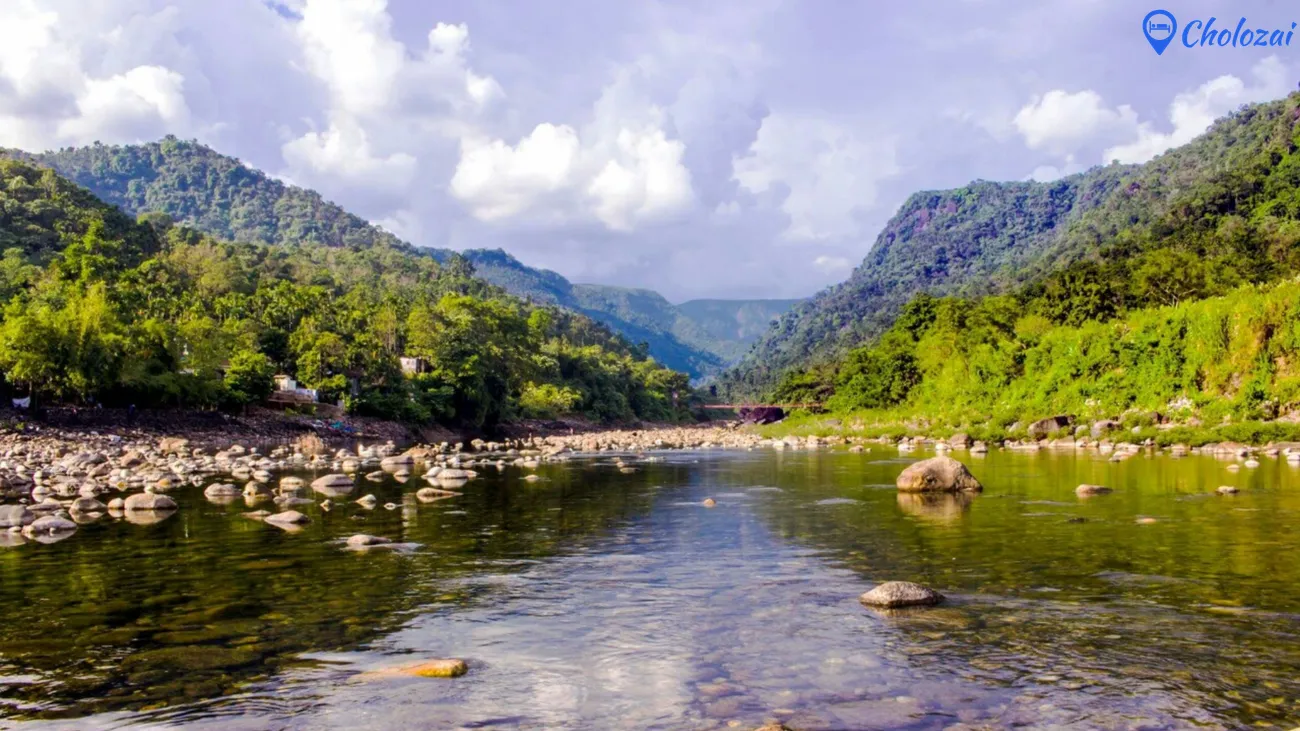
One of the nearby attractions for a trip to Dibir Haor is lalakhal in Sylhet. Famous for its picturesque river scenery, lush greenery and picturesque views of the Meghalaya hills, Lalakhal offers boat trips and offers a different landscape compared to the Shapla wetlands. After spending the morning at Dibir Haor, a trip to Lalakhal can be a worthwhile nature-focused day trip.

2. Jaflong

Jaflong is one of the most popular tourist destinations in Sylhet, known for its riverine scenery, rocks, surrounding hills and proximity to the Bangladesh-India border. After visiting the haor, tourists can continue their journey east along the Tamabil Corridor. Jaflong is particularly suitable for those who want to enjoy the dramatic mountain and river landscape along with the tranquil wetlands.

3. Sangrampunji Waterfall

Sangrampunji Falls in Sylhet, connected to the Jaflong area, (Sangrampunji Waterfall Sylhet) is another option for travelers interested in waterfalls and mountain views. Access and visibility here depend on local conditions and visitors must comply with international borders and applicable restrictions.

4. Ratargul Swamp Forest

The Ratargul Wetland offers a different type of freshwater ecosystem, with forest plants adapted to seasonal flooding. Unlike the open wetlands and Shapla of the Dibir Haor, Ratargul is famous for its submerged forest. Combining these two attractions provides an interesting comparison of Sylhet's aquatic environment, although it requires additional road travel.

5. Bisnakandi

Bisnakandi is known for its scenic views of the bordering river, rock-covered waterfalls and the Meghalaya hills. It is best considered as part of an extended itinerary rather than a definitive short stopover after the Dibir Haor.

6. Lust

Lobachara , also spelled Lobachada or Lobha Chara, is associated with riverine landscapes, tea plantations, and local traditions. It is a new addition to the traditional for tourists who have enough time to explore the larger district.

7. Malnichera Tea Garden

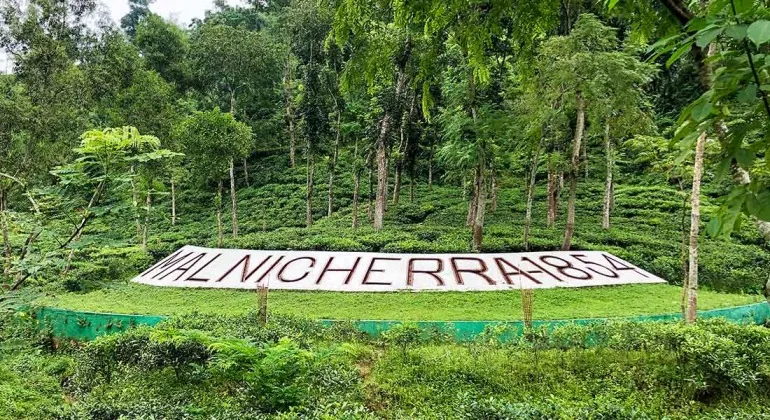
Malnichera Tea Garden is a well-known tea garden in the Sylhet area. Its garden-like beauty presents a different picture from the rural wetlands of the Dibir Haor. Visitors may have limited access to the working areas of the tea garden, so ask for permission before entering.

8. Hazrat Shahjalal Shrine

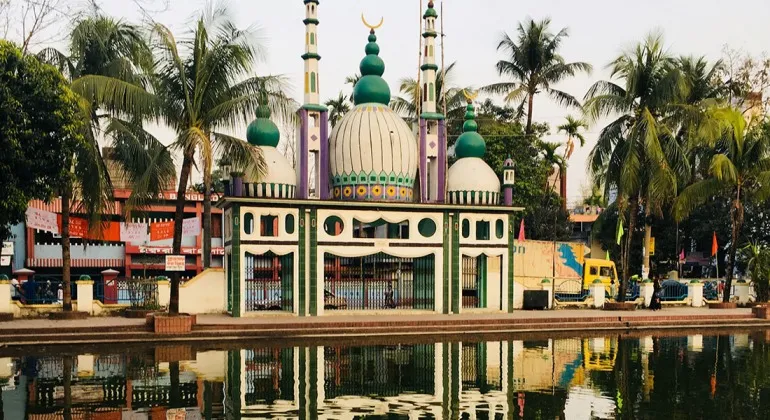
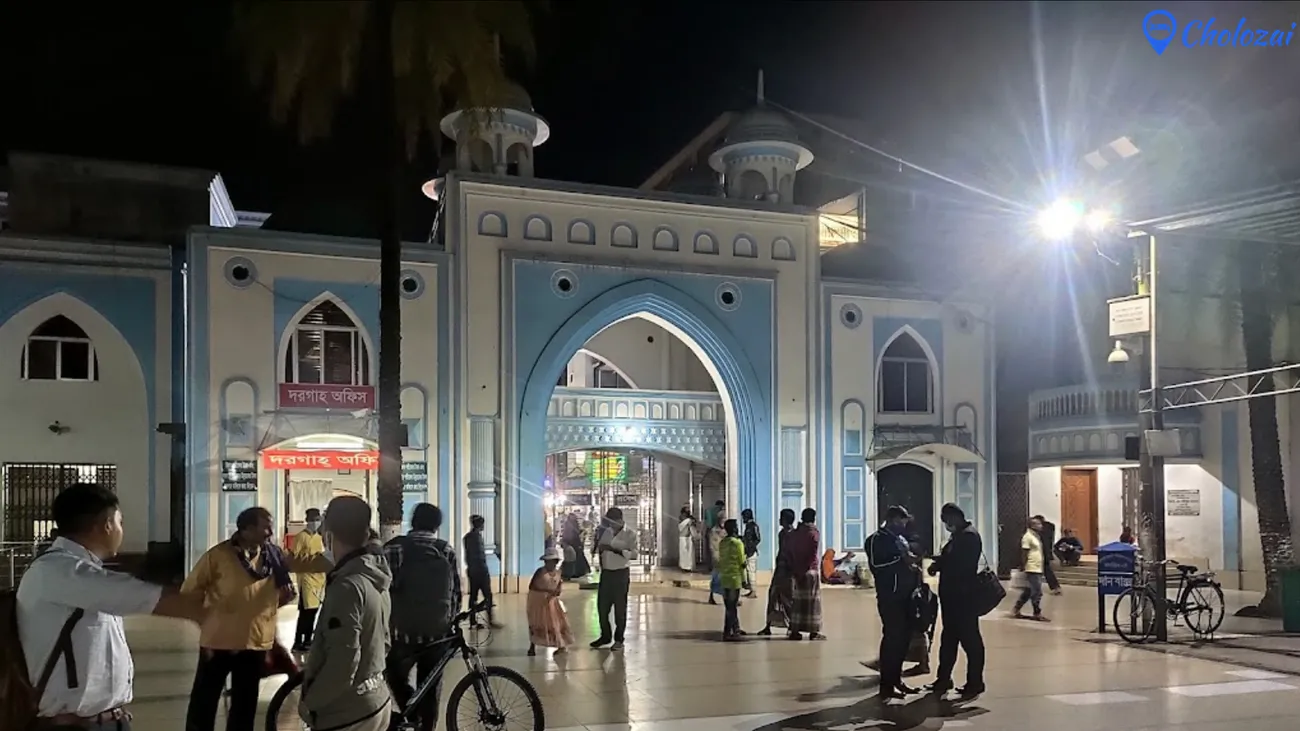
Tourists interested in Sylhet's religious and cultural heritage can visit the Hazrat Shahjalal Shrine located in the city. The shrine is an important Sufi pilgrimage site and a meaningful cultural stopover before returning home.

9. Tomb of Hazrat Shah Paran

Hazrat Shah Paran's shrine is (Hazrat Shah Paran's Tomb) another important religious site in the Sylhet region. Visitors can include it in their cultural itinerary, especially when returning from the eastern end to central Sylhet.

10. Keene Bridge

Kin Bridge, a historical landmark located on the Surma River in Sylhet city , is a convenient stopover for those who want to enjoy the city's riverside atmosphere after spending the morning among the lotus flowers.

11. Bholaganj

Bholaganj in Sylhet is another picturesque destination in the border region, known for its clear water streams, rocky creeks and mountain views. Since it is located on a different tourist corridor, it is more advisable to arrange a separate trip for it rather than including it in the busy morning plans of Dibir Haor.

12. Dreamland Park

Families who prefer amusement rides and more organized leisure experiences may want to consider Sylhet dreamland Park . It offers a different kind of adventure from the natural wetland scenery, which can be an option for visitors with children.

Suggested sightseeing itinerary: For a day, prioritize Dibir Haor at sunrise, followed by Lalakhal and Jaflong if time permits. For a longer trip to Sylhet, you can consider visiting Ratargul Jalaban, Bishnakandi and the cultural sites of Sylhet city separately. Don't try to visit all the destinations in a day, as the attractions are spread across multiple routes.

Frequently Asked Questions (FAQ)

DB Haor is located in Jayantapur Upazila of Sylhet District, Bangladesh, about 42–45 km northeast of Sylhet city . It is located near the Bangladesh–India border at the foothills of the Meghalaya Mountains. The place is also known as Shapla Beel or Lal Shapla Hrod. Visitors usually come here via Jayantapur Bazar and the Sylhet-Tamabil Road. BGB DB Haor Camp is a much-mentioned local landmark, but the exact location of boarding the public boat should be confirmed locally.

Explore The Area

Top Attractions & Places to Visit in Sylhet

Discover more heritage, nature, and must-visit spots across Sylhet.

View all in Sylhet

Sangrampunji Waterfall Sylhet

Sangrampunji Falls, also known as Sangrampunji Jharna or Mayabi Jharna, is a beautiful natural attraction near Jaflong i...

Shafayet Al-Anik

Kin Bridge, Sylhet – Complete Travel Guide to the Historic Surma River Bridge

The Keen Bridge in Sylhet , locally known as Keen Bridge or Kain Bridge, is one of the most well-known historical landma...

Shafayet Al-Anik

Bisnakandi, Sylhet – A Complete Guide to Pathar River, Meghalaya Hills and Scenic Boat Trips

Bisnakandi , also spelled as Bichnakandi, Bichnakandi or Bisnakandi, is one of the most spectacular natural tourist dest...

Shafayet Al-Anik

Sylhet Shahi Eidgah

Sylhet Shahi Eidgah is one of the most important historical and religious sites in Sylhet city, Bangladesh. Located in t...

Shafayet Al-Anik

Ratargul Forest, Sylhet – Complete Travel Guide, Boat Rentals, Entry Fees and Travel Tips

Ratargul Wetland is one of the unique natural attractions in Bangladesh, offering a unique opportunity to travel in a wo...

Shafayet Al-Anik

Malnichera Tea Garden, Sylhet – A Complete Travel Guide to the Historic Tea Gardens of Bangladesh

Malnichera Tea Estate, also known as Malnichera Tea Estate or Malnichera Tea Bagan , is one of the most historically sig...

Shafayet Al-Anik

Hazrat Shahjalal Shrine, Sylhet – A Complete Travel Guide to Bangladesh's Historic Sufi Shrine

Hazrat Shahjalal Mazar , also known as the Shrine of Hazrat Shah Jalal (RA), Shahjalal Dargah or Hazrat Shahjalal Mazar ...

Shafayet Al-Anik

Jaflong

Jaflong in Sylhet district of Bangladesh is one of the country's most famous natural tourist destinations, where clear r...

Shafayet Al-Anik

Ali Amjad's Clock Sylhet

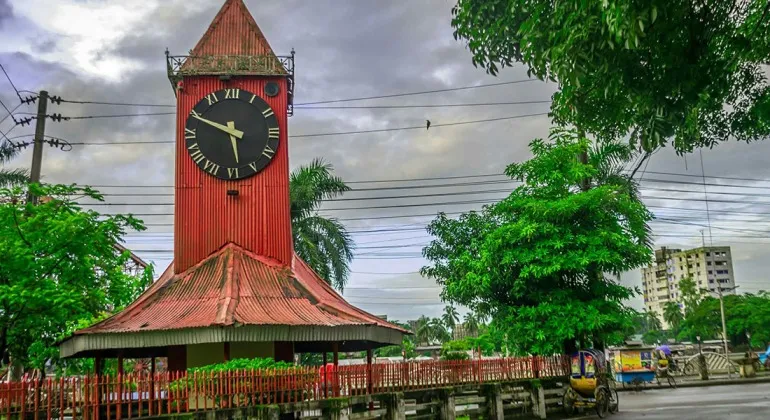
Located on the banks of the Surma River near the historic Kin Bridge, Ali Amjad's Clock is one of the most well-known la...

Shafayet Al-Anik

logo ColoZai

ColoZai is a trusted travel guide and destination explorer platform in Bangladesh. We are making travel simple, authentic, and accessible for everyone.

Need Help ?

We are Always here for you! Knock us on Whatsapp (10AM - 10PM) or Email us.