Bholaganj Sylhet – Complete guide to Saada Pathar travel, boat rentals, sightseeing and transportation arrangements

Bholaganj Sylhet – Complete guide to Saada Pathar travel, boat rentals, sightseeing and transportation arrangements

Sylhet
·

17 October 2026

Travel Overview & Quick Facts

Location
Sylhet
Admission / Entry Fee
Entry to Bholaganj Saada Pathar is free for all visitors. The normal round trip fare for a tourist boat from Bholaganj Ghat No. 10 is around 800 taka, which is applicable for a full boat carrying 8-10 passengers, subject to the operator's approved capacity. The cost per person may be lower for shared boats. Boat changes may cost around 15-20 taka per person, and car parking costs vary. Before embarking on the journey, make sure to check the current boat fare, number of passengers and additional charges locally.
Best Time to Visit
May to October, especially September and October.
Opening Hours
Daily 6:00 AM - 6:30 PM (Hours published on Google Business Profile; boat traffic and visitor access may end earlier or be temporarily suspended)
Google Rating
★ 4.5 (3377 reviews)
Category / Type
Natural tourist attractions, rivers and scenic landscapes, boating destinations, nature and adventure tourism

Introduction to Bholaganj Sylhet – Complete guide to Saada Pathar travel, boat rentals, sightseeing and transportation arrangements

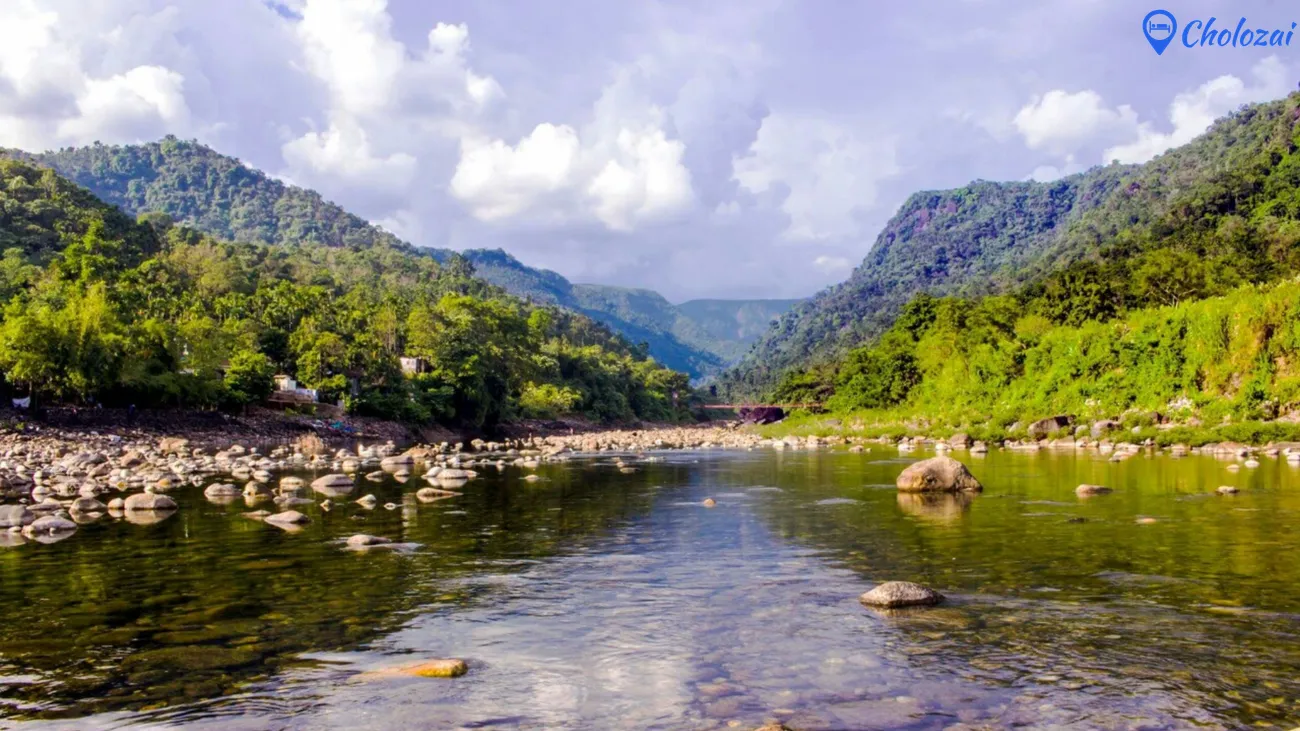
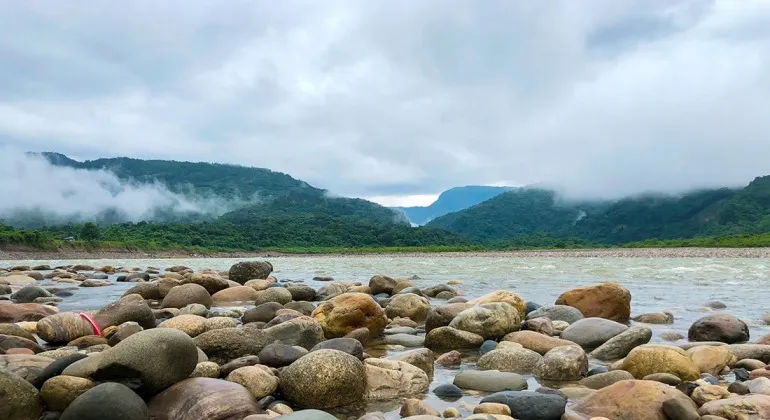
Bholaganj Sylhet, also known as Bholaganj Saada Pathar or Saada Pathar, is one of the well-known natural tourist destinations in northeastern Bangladesh. Located in Companiganj Upazila of Sylhet district, about 35 kilometers from Sylhet city, this place is famous for its pale river rocks, flowing streams, picturesque river banks and breathtaking views of the Meghalaya hills beyond the Bangladesh-India border. The attraction is located on the banks of the Dhalai River, which carries water and silt from the surrounding highlands to the plains of Sylhet.

The Bengali name 'Sada Pathar' means white stone, reflecting the traditional pale stone character of the region. Visitors come to Bholaganj to enjoy the riverside scenery, go on short boat trips, take pictures of the surrounding mountains, and spend time by the water. Unlike a conventional amusement park or commercial resort, Bholaganj is an open natural destination, where the main attractions are the river, rocks, mountains, and the landscape of the bordering region.

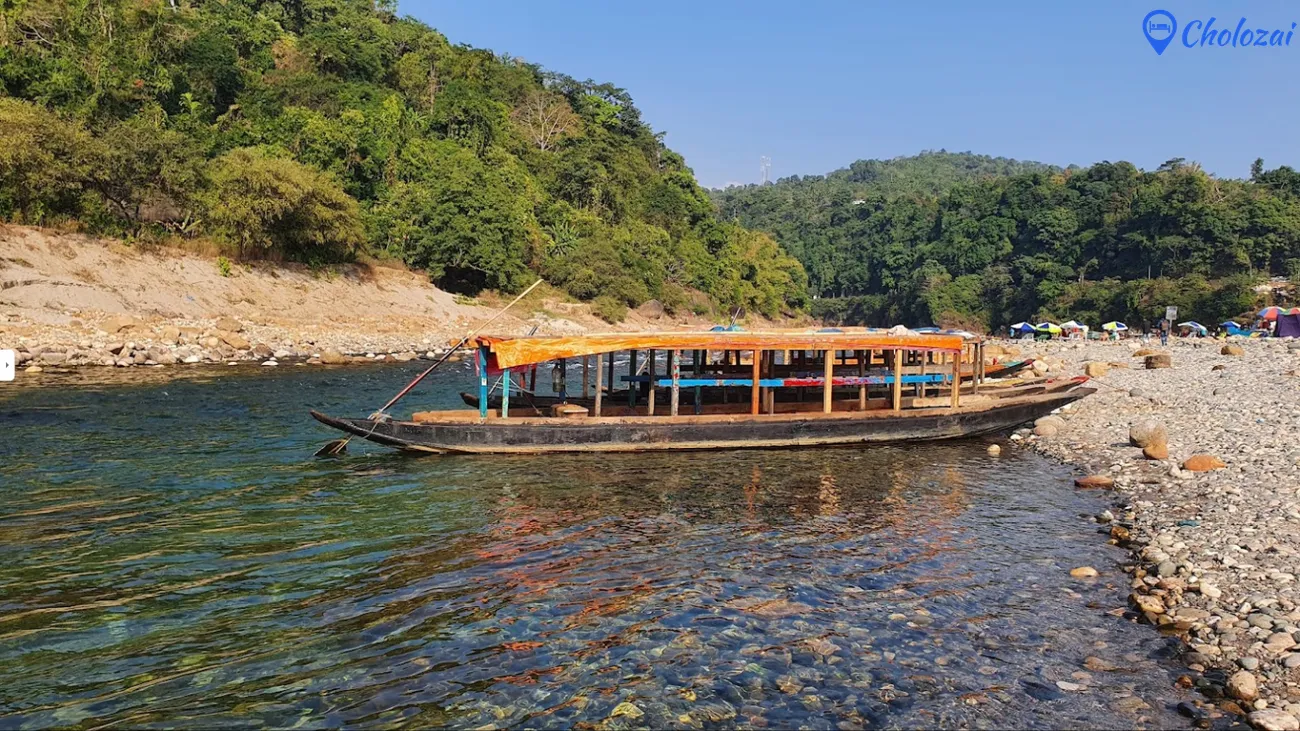
The journey to Bholaganj is also part of the experience. From Sylhet city, the journey continues along the Sylhet-Companiganj-Bholaganj road towards the northern border. After reaching the tourist boat ghat, commonly known as Ghat No. 10 , visitors board a motorized boat for the final journey to the Sada Pathar scenic spot. The boat ride offers a spectacular combination of wide riverbeds, rocky banks, rural scenery and distant mountain slopes.

Bholaganj is often compared to other famous natural attractions in Sylhet, such as Jaflong , Bisnakhandi and lalakhal . However, its unique Dhalai River landscape, boat access and proximity to the foothills of Meghalaya give it a distinct identity.

Important Notice for Visitors: Bholaganj has suffered environmental damage due to quarrying and unauthorized removal of rocks. Reports from 2024-2025 documented extensive damage, following which restoration and reconstruction efforts were undertaken. As a result, the appearance and arrangement of the white rocks may differ from older travel photos. River conditions, boat access, and local restrictions may also change. Visitors should confirm current access arrangements with local authorities or boat operators before traveling.


Natural beauty and main attractions of Bholaganj

Bholaganj's appeal lies in a number of interconnected natural features. The Dhalai River, its rocky banks, and the surrounding bordering mountains combine to create a landscape that changes throughout the year. Visitors interested in nature, photography, and river travel will find several memorable sights here.

1. White Stone – The famous white stone landscape

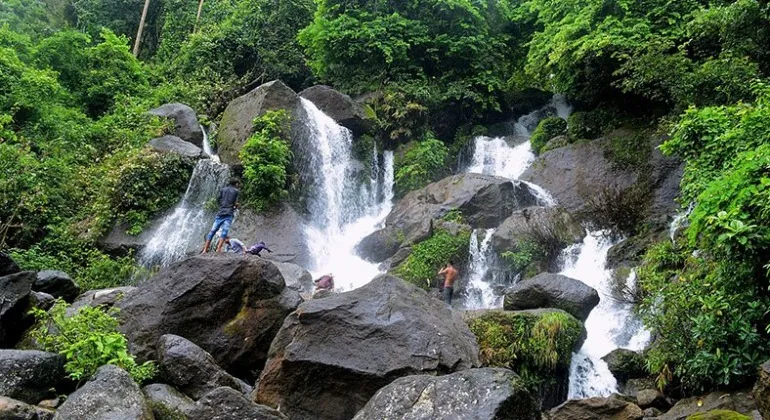
Its main attraction is the riverbed, which is traditionally covered with smooth, pale stones. These stones have been carried and shaped by the natural processes of the river over a long period of time. The pale-colored stones create a contrast with the flowing water and the green mountains visible in the background, which gives the place its familiar appearance.

Visitors can walk along the accessible part of the riverbank, observe the changing rock formations, and take pictures of the surrounding scenery. The exact amount of exposed rock varies depending on river levels, sediment movement, and human activity. Some sections may be unsuitable for walking due to slippery surfaces, unstable rocks, or strong currents.

2. Dhalai River and scenic boat trip

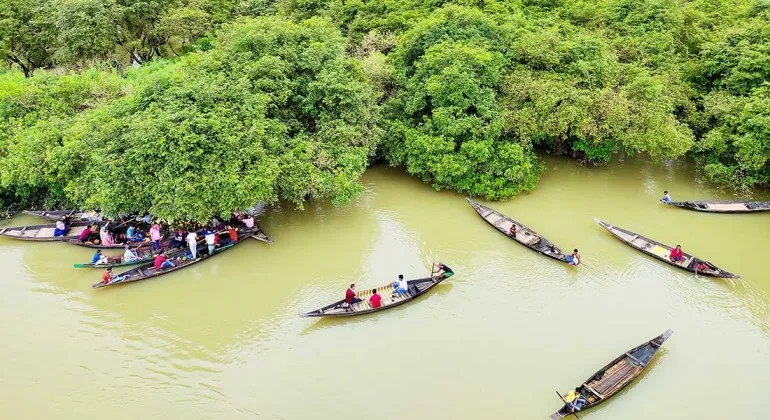
The Dhalai River is the focal point of Bholaganj tourism. A tourist boat usually takes passengers from the Ghat No. 10 area to the main tourist attractions. Depending on the road and river conditions, this journey usually takes about 15-20 minutes one way.

During the boat trip, visitors can enjoy unique rocky landscapes, riverbeds, and mountain views. This journey is especially enjoyable for travelers who love to take pictures of the landscape and spend time in the open air. The boats are usually operated by local boatmen who are familiar with the approved tourist routes.

3. Meghalaya mountain scenery

One of the most memorable features of Bholaganj is its mountainous backdrop. The hills visible to the north belong to the Meghalaya region of India, particularly the adjacent Khasi-Jaintia Highlands. Their steep slopes create a dramatic contrast to the relatively flat riverside landscape on the Bangladesh side.

These mountains can be photographed from easily accessible riverbanks and waterways. Although they appear close, international borders must be respected. Tourists must stay within Bangladesh's designated tourist areas and follow the instructions issued by local authorities and Border Guard Bangladesh.

4. Landscape of the Bholaganj border region

The greater Bholaganj area has long been associated with riverine transportation, stone quarrying, and transboundary geography. In addition to its scenic beauty, the surrounding settlements and transportation infrastructure provide insight into the economic importance of the river and its natural resources.

Visitors can see local markets, traditional boats, and areas related to the region's stone industry. These are not well-organized tourist attractions, but rather working environments. Therefore, travelers should avoid protected industrial areas and avoid entering active mining areas.

5. Historic Bholaganj-Chhatak Ropeway

Historically, the Bholaganj area is associated with a ropeway system used to transport stones between Bholaganj and Chhatak. This industrial heritage reflects the region's long-standing importance as a source of building materials.

The ropeway is a historic attraction, not an operating tourist cable-car ride. Visitors should not expect to see regular passenger services or access abandoned industrial facilities.


History and ecological significance

Bholaganj's historical importance stems from its location along the Dhalai River and the stone-carrying waterways that descend from the highlands of Meghalaya. The region became known for its stone collection and transportation, an activity through which construction materials were supplied to other parts of Bangladesh.

As the river's flow increases, natural processes carry rocks and sediment with it. Over time, these processes contribute to the formation of a distinctive river landscape, which later becomes popular with tourists.

Rather than being a tourist destination, Saada Pathar has emerged as a center of attraction due to its natural beauty. Its popularity as a convenient day trip destination has increased with the improvement of road connectivity from Sylhet city.

Environmental challenges and stone conservation

Stone quarrying and unauthorized removal have severely damaged the landscape of Bholaganj. A comprehensive report published in 2025 drew attention to the erosion of stones from the Saada Pathar tourist area and the need to protect the river environment. Later rescue operations and efforts to return the confiscated stones were also reported.

These changes are important to visitors, as older promotional images may not accurately reflect the current appearance of the destination. The amount of exposed rock may also naturally change due to river movement and seasonal water levels.

Responsible tourism is essential to protect this fragile environment. Visitors should refrain from collecting rocks as souvenirs, damaging the riverbanks, disturbing wildlife, or leaving plastic waste. Supporting responsible local boatmen and following conservation guidelines can help protect this fascinating site.


Things to do in Bholaganj white stone

Bholaganj offers a relaxed natural tourism experience rather than a fixed schedule of commercial activities. Visitors can plan their itinerary around river views, photography, short walks, and boat trips.

  • Enjoy a boat trip: Travel along the Dhalai River with a local boatman and observe the natural scenery from the water.
  • Explore accessible rock-covered riverbanks: Walk carefully through permitted areas where river rocks are visible.
  • Take photos of natural scenery: Capture the contrast between the river, pale rocks, boats, and the mountains of Meghalaya.
  • Relax by the river: Spend time enjoying the scenery from a safe spot away from dangerous currents.
  • Observe local river life: Learn about the relationship between rivers, transportation activities, and surrounding settlements.
  • Enjoy family trips: Share boating and sightseeing experiences with relatives or friends, taking appropriate safety precautions.
  • Explore the surrounding natural sites: If there is enough time at hand, travelers can arrange separate trips to Uttamchara or Turangchara, depending on local travel and transportation conditions.

Can visitors swim in Bholaganj?

Although people are sometimes seen standing or bathing in shallow water in the pictures, swimming in the Dhalai River is quite risky. The river's current, the depth of the water below, slippery rocks, and sudden changes in water level can create dangerous situations. There may be deeper water nearby where it appears to be shallow.

Swimming should not be automatically considered safe or a formally supervised activity. Visitors should avoid deep water and strong currents, follow local safety instructions, and never allow children into the water without close adult supervision. Wearing a life jacket is strongly recommended when boating.

Photography Tips

Morning and late afternoon light provide attractive views of the rivers and mountains for nature photography. A wide-angle camera or smartphone lens is useful for capturing expansive views. Visitors should protect electronic devices from splashing water and avoid standing on unstable rocks to take photos.

Taking photos near international borders may be subject to security restrictions. Avoid taking photos of border installations, security personnel, or protected sites without permission.


Best time to visit Bholaganj Sylhet

The months of May to October are generally considered the most popular time to enjoy the riverside scenery of Bholaganj . The months of September and October can be particularly attractive, as during this time visitors get the opportunity to see the picturesque mountain scenery and the strong current of the river, as well as explore the sights.

The riverside landscape changes significantly at different times of the year. The following seasonal guide helps travelers understand these differences.

Duration General experience Travel considerations
May–June The increasing activity of the river and the vibrant scenery around. Before starting the journey, check the boat's handling and river safety.
July-August A clear view of the flowing water and the surrounding green hills. Strong currents and sudden entry may cause obstacles.
September–October This is a popular time to enjoy the river, mountains, and rocky landscape. Make sure that the boats and visitor areas are operating normally.
November–February Changes in water levels may make more exposed parts of the riverbed visible. The scenery may be significantly different compared to the peak season photos.
March–April Suitable for sightseeing if there is transportation and visitor access. Some channels may have relatively limited water.

Recommended time of day: Arrive at Bholaganj Boat Landing in the morning, preferably between 8:00 AM and 10:00 AM. This gives visitors more time for boat trips, sightseeing, and return transportation. Tourist boats usually operate during the day and the last departure may be before the published sightseeing time.

Crowds can be significantly higher on weekend afternoons and public holidays. Travelers who prefer a more relaxed experience may want to consider traveling on a normal weekday, if conditions are favorable.


Entrance fees, boat rentals and visiting rules

Bholaganj White Rocks generally do not require an entrance ticket. It is an open natural attraction, not an individually ticketed amusement park. However, most visitors pay for transportation to this riverside destination, and additional charges may apply for parking or general amenities.

Estimated visitor spending

Service Estimated cost Details
General Admission Free There is no specific entrance ticket for the natural scenic area.
Boat transportation for tourists About 800 taka per boat It is usually used by 8-10 passengers, depending on the permitted capacity.
Joint boat contribution Approximately 80–150 taka per person This is just an example; actual number of passengers and fares will depend on the fare.
Change facility About 15-20 taka per person Where available.
Car parking Varies by car. Confirm the charges displayed in the designated parking area.
Food and drink Approximately 150–350 taka per person Depending on the purchase and available vendors.

Important Pricing Notice: The boat fare is an estimated local rate, not a government-approved fixed fare. Published travel guides typically quote around 800 taka for a round trip, but the operator, road conditions, and local regulations may affect the final fare. Confirm the full fare before boarding the boat.

Important questions regarding boat booking

  • Is the price quoted for the entire boat or for one passenger?
  • Does this include both the outward and return journeys?
  • How long will the boatman wait at the sightseeing spot?
  • How many passengers can legally be on a boat?
  • Are life jackets available for each passenger?
  • What happens if the return journey is not possible due to river conditions?

Inspection rules and safety guidelines

  • Use approved passenger boats and follow the boat driver's instructions.
  • Wear an appropriate life jacket throughout the cruise.
  • Stay within the approved tourist areas and follow Bangladesh-India border restrictions.
  • Avoid swimming in deep bodies of water or fast-moving water.
  • Do not remove rocks, damage natural features, or leave trash.
  • Avoid entering active lifting areas, restricted industrial areas, or abandoned ropeway structures.
  • Contact local authorities to find out if access has been suspended due to river conditions or safety restrictions.
  • Plan to return to the main pier well before sunset.

How to reach

Bholaganj Saada Pathar is located in Companiganj Upazila of Sylhet district, about 35 kilometers north of Sylhet city . Most tourists first go to Sylhet and then reach Ghat No. 10 of Bholaganj by road, from where they can take a boat to the main tourist attraction, Saada Pathar.

Step 1: Travel from Dhaka to Sylhet by bus

Commuters starting from Dhaka can board intercity buses to Sylhet from major departure areas like Sayedabad or other authorized operator counters. Well-known operators like Hanif, Ena, Shyamoli and Green Line serve this route, depending on the current schedule.

The journey by road usually takes around 5-8 hours, although travel time may increase due to traffic and road conditions. The estimated fare for a non-air-conditioned bus is around ৳650–৳900 per person , while air-conditioned services can cost around ৳1,200–৳1,800 or more. These are estimates for planning purposes, not the final ticket price.

Upon reaching Sylhet, head towards Amberkhana Point, one of the most well-known transport departure points on the Companyganj and Bholaganj routes.

Step 2: Travel from Dhaka to Sylhet by train

Bangladesh Railways operates intercity services between Dhaka and Sylhet. According to the current schedule, historically the trains that have operated on this route include the Parabat Express, Jayantika Express, Upaban Express and Kalni Express.

Passengers usually start their journey from Dhaka's Kamalapur Railway Station and reach Sylhet Railway Station. The journey usually takes about 6-8 hours. Fares vary considerably according to seat class; passengers can expect to pay around 375-1,200 taka or more as a general plan.

Hire a CNG autorickshaw or any other local transport from Sylhet Railway Station to Amberkhana Point. A local CNG ride can cost approximately ৳100–৳250, depending on the distance, traffic, and whether the vehicle is reserved.

Before starting your journey, you should check the train schedule, service days, and ticket prices from the official ticketing system of Bangladesh Railway.

Step 3: Travel from Dhaka to Sylhet by air

Domestic flights operate between Hazrat Shahjalal International Airport in Dhaka and Osmani International Airport in Sylhet. Flight duration is usually about 45-60 minutes.

One-way airfares vary depending on the airline, date, and booking period. The estimated cost per passenger ranges from ৳3,500–৳8,000 or more.

From Osmani International Airport, passengers can arrange a taxi or reserved car to reach Bholaganj, or can first go to Sylhet city to take public transport connections. Airport transport fares should be negotiated or confirmed through an authorized booking service.

Step 4: Journey from Sylhet city to Bholaganj

From central Sylhet, go to the relevant local transport stand at Amberkhana Point or those operating on the Companiganj-Bholaganj corridor. Generally, government buses, shared CNG auto-rickshaws and reserved vehicles are used.

Transportation Estimated rent Travel details
Local bus or BRTC service 60–100 per person (one way) Affordable option to go to Companyganj or Bholaganj; confirm final destination.
Shared CNG auto-rickshaw ৳130–৳200 per person (one way) Availability depends on passenger demand and route.
Reserved CNG auto-rickshaw ৳1,200–৳2,500 for return arrangements Suitable for small groups; confirm waiting time and return journey time.
Reserved private car or microbus Approximate ৳3,000–৳5,000 for a one-day or return arrangement The price depends on the car class, fuel, and driver arrangement.

It usually takes 1 to 1.5 hours to travel by road from Sylhet city , although this time can be longer due to traffic jams, breaks, and road conditions. Travelers can pass through or near the Companiganj and Tukar Bazar areas before reaching the Bholaganj Tourist Road.

Step 5: Take a boat from Ghat No. 10, Bholaganj.

After reaching Bholaganj Visitor Ghat (commonly known as Ghat No. 10), arrange for an authorized tourist boat to take you to the White Stone Scenic Spot. If the authorized routes are operating normally, this journey usually takes about 15-20 minutes each way.

The boat fare for a full round trip is around 800 taka and its capacity is usually quoted as 8-10 passengers. The actual permitted capacity depends on the type of boat. Solo travelers and couples can ask local operators about sharing the boat with other tourists.

Before you set off, arrange a return time, collect the boatman's phone number, and make sure there are enough life jackets. Avoid paying for any arrangement that has unclear return terms.

Alternative route via Tukar Bazar

Some passengers reach the Companiganj area via Tukar Bazar and take local transport to Bholaganj Boat Jetty. Local connections may vary depending on river water levels, road connectivity and passenger demand. Do not assume that all services terminate directly at Saada Patar, but confirm the route with the transport company.

Estimated total travel time

If you are starting from Sylhet city, allow approximately 4-6 hours for a convenient return trip, including road transport, boat rides, and sightseeing . A leisurely trip may take longer, especially during busy holidays.

For tourists coming from Dhaka, it is usually more convenient to spend the night in Sylhet than to try to make the entire return journey in the same day.

Useful signs for directions

  • Sylhet city and Amberkhana point
  • Sylhet-Companiganj-Bholaganj road
  • Companyganj and Tuk Bazar areas
  • Bholaganj No. 10 Ghat
  • Dhalai River
  • Bholaganj white stone scenic area

Navigation Accuracy: It was not possible to establish an accurate Google Maps Place URL with verified coordinate pairs from available sources. Therefore, instead of adding an estimated location, the latitude, longitude, and Google Maps URL fields are left blank. The point of interest should be identified separately from Bholaganj village, roadways, and individual boat docks when verifying the final destination.

Where to eat

Food options near Bholaganj Saada Pathar are quite average compared to central Sylhet. Tourist centers, nearby markets, and roadside settlements may have small restaurants, tea shops, and snack shops. However, this major river tourist area should not be considered a destination where full-service restaurants are guaranteed.

Food options near Bholaganj

  • Local rice restaurants: Small shops in the Bholaganj and Companiganj areas may serve rice, lentils, vegetables, fish, or chicken.
  • Tea and snack stalls: Depending on operational conditions, vendors may sell tea, biscuits, packaged snacks, and bottled beverages.
  • Tukar Bazaar: Pedestrians passing through this market area can buy daily necessities or essential items before moving on to their next destination.
  • Restaurants in Sylhet City: Tourists who want a wide range of cuisine, family seating, or more reliable amenities should plan their main meals in the city.

Estimated food budget

Item Estimated price
Tea ৳15–৳30
Light breakfast ৳30–৳100
Simple rice dish ৳120–৳250
Fish or chicken food ৳180–৳350
Bottled drinking water Depending on size and printed retail price

These prices are approximate budget guidelines, not verified menus of any specific establishment. Food availability may be limited at riverside locations, especially during times of limited access.

Travel advice: Take enough drinking water, necessary medicines and some light snacks. Do not leave food packets on the riverbank and take all non-biodegradable waste to the appropriate waste disposal center.


Where to stay?

Most tourists visiting Bholaganj choose to stay in Sylhet city , as this attractive place can usually be visited in a day trip. Hotels, restaurants, pharmacies, transport services and connections to the next destination are more reliably available in the city.

Budget hotels in Sylhet city

Travelers looking for affordable accommodation can check out hotels near the railway station, Kadamtali, Zindabazar, and other central areas. A basic room can cost approximately ৳1,000–৳2,500 per night, depending on the room condition, amenities, and booking date.

Mid-range accommodation

Mid-range hotels around Zindabazar, Dargah Gate and Central Sylhet may have air conditioning, attached bathrooms, restaurants and family accommodation. Estimated room rates per night are usually between ৳2,500 and ৳5,500.

Premium hotels and picturesque resorts

Visitors looking for a more upscale vacation experience can explore the established accommodation options in Sylhet and its surrounding resort areas. Room rates vary depending on the accommodation, season, and package.

For travelers who are interested in sightseeing as well as staying in a pleasant environment, Nazimgarh Garden Resort and Jayant Hills Resort can be considered as alternatives. These should not be considered as hotels within walking distance of Bholaganj; separate transportation arrangements will have to be made.

Should you spend the night in Bholaganj?

Most tourists do not need to spend the night in Bholaganj itself. Accommodation in the nearby tourist areas is limited, and it is not certain whether suitable licensed guesthouses will be available. Travelers should refrain from planning to stay along the river or in the protected border areas without proper permits.

If you are planning a two-day trip to Sylhet, you can consider spending the first day in Bholaganj and the second day exploring some other tourist attraction. This arrangement reduces the need for long continuous journeys and allows for greater flexibility when changing river routes.


Travel tips and safety precautions

A successful trip to Bholaganj requires preliminary preparation, as this attraction is a natural river environment, where infrastructure is limited and travel conditions are variable.

Necessary items to carry with you

  • Comfortable shoes with reliable grip on uneven rocky surfaces.
  • Drinking water and light snacks.
  • A waterproof phone pouch or protective bag for electronics devices.
  • A hat suitable for sun protection and open areas of the riverbank.
  • A small first aid kit and necessary personal medications.
  • Keep small amounts of cash for local transportation and other conveniences.
  • A charged mobile phone and portable power bank.
  • Bring an extra set of clothes if you plan to spend time near shallow water.

Boat and river safety

Choose a boat that appears to be properly maintained and has enough appropriate life jackets for all passengers. Do not board a boat with an excess of passengers. Children must wear appropriate-sized flotation devices and be under direct adult supervision.

Even if the river surface appears calm, there may be strong currents in the channel. Do not attempt to cross channels on foot, climb over loose rock piles, or go to secluded areas without local guidance.

If boat operators suspend boat services or local authorities close tourist areas, postpone travel. Never attempt to circumvent restrictions or enter any closed areas by unauthorized means of transportation.

Border security

Bholaganj is close to the Bangladesh-India international border. Visitors must remain within Bangladesh and refrain from approaching border markers, restricted routes or security installations without permission. Follow the instructions of Border Guard Bangladesh and other authorized officials.

Traveling with children and elderly visitors

Families can enjoy the river views and boat rides, but the rocky paths, boat transfers, and limited amenities can be difficult for very young children, people with mobility difficulties, or elderly travelers who require assistance.

Wheelchair accessibility and reliable stair-free access to the main rock-covered viewing area are not established. Travelers with accessibility needs should discuss boarding arrangements and destination conditions with local operators before finalizing the trip.

Environmental responsibility

Do not remove rocks, destroy river vegetation, throw plastic waste into the water, or damage the natural surface. The long-term tourism value of Bholaganj depends on preserving the river and its surrounding ecosystem.


Suggested itinerary for a one-day trip to Bholaganj

Tourists staying in Sylhet city can usually arrange a satisfactory day trip to Bholaganj without an overnight stay. The following schedule is illustrative and is based on normal road conditions, permitted tourist boat traffic, and no significant delays.

Estimated time Activity
7:30 am Have breakfast in Sylhet city and pack your travel essentials.
8:00 am From Sylhet, head towards Bholaganj via the Companyganj road.
9:30 am Upon reaching Bholaganj Boat Landing, make sure to arrange for a tourist boat.
10:00 am Take a boat trip to the white stone sightseeing spot.
10:20 AM–12:00 PM Enjoy taking photos, enjoying the river views, and safely exploring the approved areas.
12:00 PM–12:30 PM Return to the visitor pier by boat.
12:30 PM–1:30 PM Where appropriate, eat lunch or a light snack.
1:30 PM Begin your return journey to Sylhet or continue your journey to a separately planned local destination.
From 3 pm Return to Sylhet city with extra time for traffic jams or transportation delays.

Tourists with extra time can explore other natural attractions in the Companiganj area, but should check with locals for access to waterfalls and rural trails. Don't assume that it's possible to comfortably visit multiple geographically isolated destinations in a single short trip.

Visitors who are planning to visit on the second day can visit Ratargul Wetland Forest or Jaflong, depending on their interests and transportation arrangements.


Estimated budget for a one-day trip to Bholaganj

The total cost of a trip to Bholaganj depends on transportation, group size, meals, and whether travelers are using a shared or reserved boat. Entry fees are usually free, making this destination relatively affordable for travelers already staying in Sylhet.

Indicative budget from Sylhet city

Expenses Budget traveler Small private groups
Road transport ৳120–৳400 per person (transportation) ৳1,200–৳2,500 for reserved CNG and return fare
Tourist boat About 80-150 taka per person if shared. Approximately 800 taka per boat, including round trip.
Food and water ৳150–৳350 per person ৳150–৳350 per person
Other expenses ৳20–৳100 per person Variable parking and other convenience charges

Estimated budget for a single traveler: Around 400–1,000 taka (excluding accommodation and travel costs from Dhaka) for public transport and cheap shared boats.

Group budget example: If five tourists rent a reserved CNG and share a tourist boat, the total cost for transportation and boat, excluding food and incidentals, could be approximately ৳2,000–৳3,300. This means that the cost per person for transportation and boat alone would be approximately ৳400–৳660.

All figures are estimates, not guaranteed prices. Larger private vehicles, holiday demand, fuel price fluctuations, and operational constraints may increase costs. Confirm full pricing with each operator before departure.


Nearby attractions

Bholaganj is an excellent starting point for exploring the diverse attractions of Sylhet district. Its surrounding area is home to riverine landscapes, waterfalls, wetlands, tea gardens, religious sites, and family entertainment destinations. Some of these places are suitable for a half-day trip on their own, while others are best explored as part of a multi-day itinerary.

Another famous scenic spot near the Meghalaya border is Bisnakandi, known for its riverbeds, rocky landscapes and mountainous beauty. Like Bholaganj, it also has a unique blend of flowing water and border views. The access and boat arrangements are different, so visitors should consider it as a separate trip rather than a direct connection.

Jaflong is one of the most famous tourist destinations in Sylhet, famous for its Meghalayan hills, Piyain River and its traditional rocky landscape. It is especially attractive for tourists who are interested in taking pictures of nature and river views. It is usually a long road trip from Bholaganj to Jaflong, so this trip is more convenient.

Ratargul is a freshwater swamp forest in Sylhet district, which offers a completely different experience from Bholaganj. Visitors can explore certain areas of this submerged forest by boat, subject to permission. It is a popular addition to Sylhet's nature itinerary due to its exceptional forest environment.

Lalakhal is famous for its picturesque river-natural scenery and the distinct color of the water at certain times of the year. Tourists who love photography, boat trips, and a peaceful environment can visit Lalakhal on another day.

The Dibir Haor in Jayantapur area is particularly known for its seasonal maple groves. It offers attractive wetland views and opportunities for nature photography. Visitors interested in Sylhet's diverse aquatic landscape can combine the region's river and wetland attractions into a long itinerary.

6. Lust

Lovachada, also spelled as Lovachadda in some travel information, is known for its riverine scenery, tea plantation landscape, and historic suspension bridge area. It is an attractive option for travelers exploring the less urban environment of Sylhet.

Sangrampunji Falls is located in the Jaflong region and is popular with tourists who enjoy the scenic views of the falls. Access may depend on local permits, conditions, and specific routes, so be sure to check current arrangements before traveling.

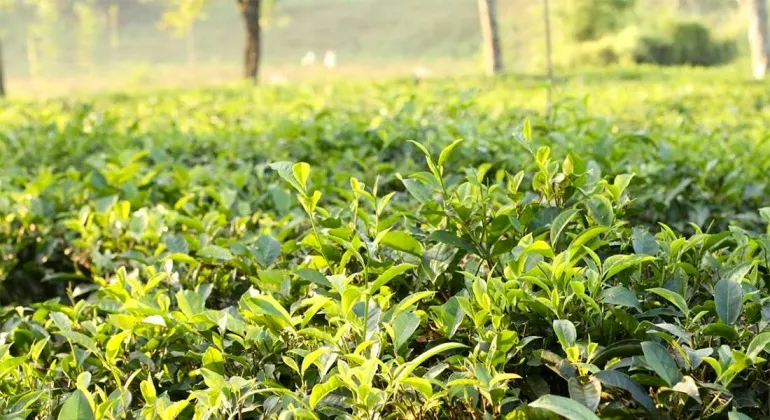
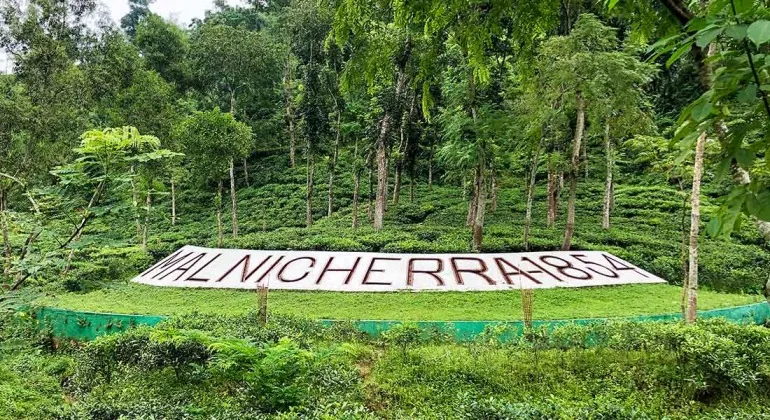
Malnichera Tea Garden is a historic tea garden near Sylhet city. Its green tea-covered slopes create a serene contrast to the rocky riverside landscape of Bholaganj. Visitors must abide by the garden's rules and regulations and obtain permission before entering the protected tea garden.

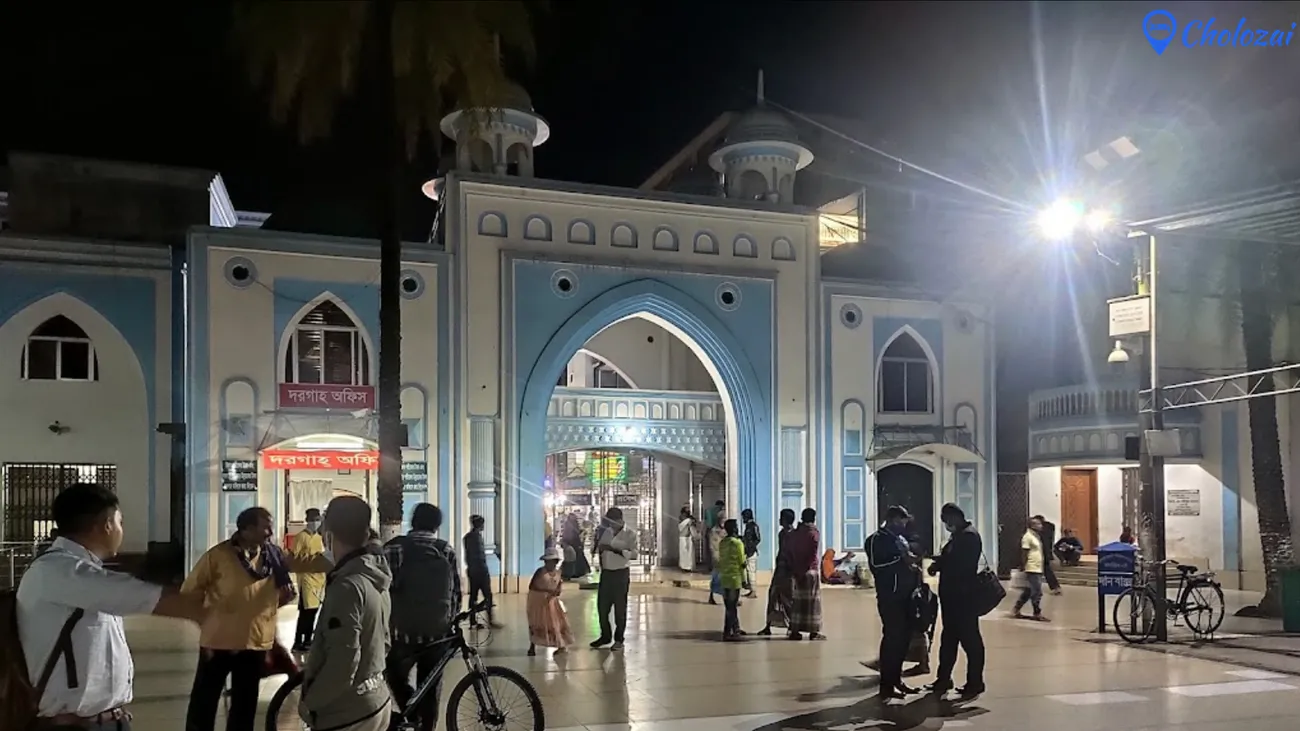
Hazrat Shahjalal Shrine is one of the most important religious and historical sites in Sylhet. Tourists returning to the city after a trip to Bholaganj can include this shrine in their cultural travel plans if they follow proper etiquette and travel rules.

10. tomb of Hazrat Shah Paran

The Shrine of Hazrat Shah Paran is another prominent spiritual site associated with Sylhet's Sufi tradition. It offers visitors the opportunity to learn more about the religious history of the region.

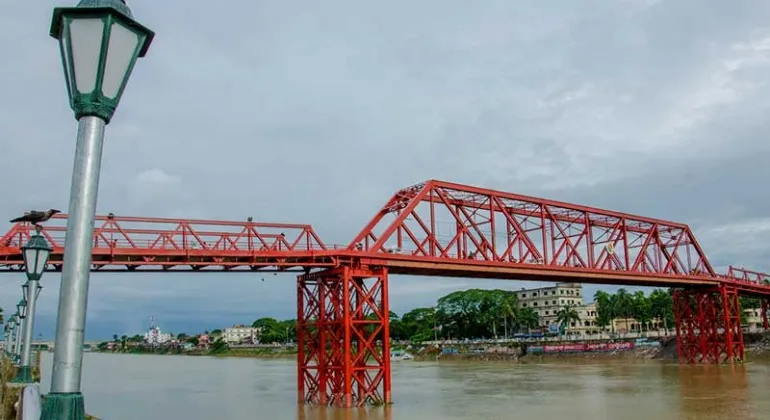
Kin Bridge, also known as Kin Bridge, is a historic structure located on the Surma River in Sylhet city. The bridge and the surrounding riverbank area provide a great opportunity to explore the city and take photos.

In addition to Sylhet's natural attractions, Dreamland Park offers an alternative family-oriented entertainment option. Families who want to enjoy recreational activities along with river views may want to consider coming here separately.

Suggested plan: For two or three days, travelers can allocate one day for Bholaganj Saada Pathar, another day for Jaflong and Lalakhal, and a separate time for Ratargul or the cultural sites of Sylhet city. The actual plan will have to be adjusted based on travel time, accessibility to the tourist attractions, and river conditions.

Frequently Asked Questions (FAQ)

Bholaganj White Stone is located in Companiganj Upazila of Sylhet District, Bangladesh, about 35 km north of Sylhet city . This attractive place is located on the banks of the Dhalai River near the Bangladesh-India border, from where the hills of Meghalaya can be seen. Most visitors travel along the Sylhet-Companiganj-Bholaganj road and reach this scenic spot by taking a boat from Ghat No. 10 in Bholaganj. Bholaganj village, Boat Ghat and the main White Stone scenic spot are three separate places, so visitors should ensure the correct destination while making travel arrangements.

Explore The Area

Top Attractions & Places to Visit in Sylhet

Discover more heritage, nature, and must-visit spots across Sylhet.

View all in Sylhet

Sangrampunji Waterfall Sylhet

Sangrampunji Falls, also known as Sangrampunji Jharna or Mayabi Jharna, is a beautiful natural attraction near Jaflong i...

Shafayet Al-Anik

Kin Bridge, Sylhet – Complete Travel Guide to the Historic Surma River Bridge

The Keen Bridge in Sylhet , locally known as Keen Bridge or Kain Bridge, is one of the most well-known historical landma...

Shafayet Al-Anik

Bisnakandi, Sylhet – A Complete Guide to Pathar River, Meghalaya Hills and Scenic Boat Trips

Bisnakandi , also spelled as Bichnakandi, Bichnakandi or Bisnakandi, is one of the most spectacular natural tourist dest...

Shafayet Al-Anik

Ratargul Forest, Sylhet – Complete Travel Guide, Boat Rentals, Entry Fees and Travel Tips

Ratargul Wetland is one of the unique natural attractions in Bangladesh, offering a unique opportunity to travel in a wo...

Shafayet Al-Anik

Sylhet Shahi Eidgah

Sylhet Shahi Eidgah is one of the most important historical and religious sites in Sylhet city, Bangladesh. Located in t...

Shafayet Al-Anik

Jaflong

Jaflong in Sylhet district of Bangladesh is one of the country's most famous natural tourist destinations, where clear r...

Shafayet Al-Anik

Malnichera Tea Garden, Sylhet – A Complete Travel Guide to the Historic Tea Gardens of Bangladesh

Malnichera Tea Estate, also known as Malnichera Tea Estate or Malnichera Tea Bagan , is one of the most historically sig...

Shafayet Al-Anik

Hazrat Shahjalal Shrine, Sylhet – A Complete Travel Guide to Bangladesh's Historic Sufi Shrine

Hazrat Shahjalal Mazar , also known as the Shrine of Hazrat Shah Jalal (RA), Shahjalal Dargah or Hazrat Shahjalal Mazar ...

Shafayet Al-Anik

Ali Amjad's Clock Sylhet

Located on the banks of the Surma River near the historic Kin Bridge, Ali Amjad's Clock is one of the most well-known la...

Shafayet Al-Anik

logo ColoZai

ColoZai is a trusted travel guide and destination explorer platform in Bangladesh. We are making travel simple, authentic, and accessible for everyone.

Need Help ?

We are Always here for you! Knock us on Whatsapp (10AM - 10PM) or Email us.