Bhawal Raj Crematorium Gazipur

Bhawal Raj Crematorium Gazipur

Gazipur
·

17 October 2026

Travel Overview & Quick Facts

Directions
Location
Gazipur
Admission / Entry Fee
There is no specific entry ticket or publicly advertised entry fee for Bhawal Raj Crematorium. Entry is considered free for general visits, although access may be restricted due to religious activities, conservation work or at the discretion of the site's caretakers. Please check local entry arrangements before travelling. Transport, refreshments and the services of a private guide (if arranged) will be charged separately.
Best Time to Visit
October to March, especially between 9 am and 4 pm.
Opening Hours
Official opening hours are not universally verified. Due to local access restrictions, daytime visits are recommended, preferably between 9:00 AM and 4:00 PM.
Category / Type
Historical monuments, archaeological heritage sites, religious and cultural heritage, architectural photography

Introduction to Bhawal Raj Crematorium Gazipur

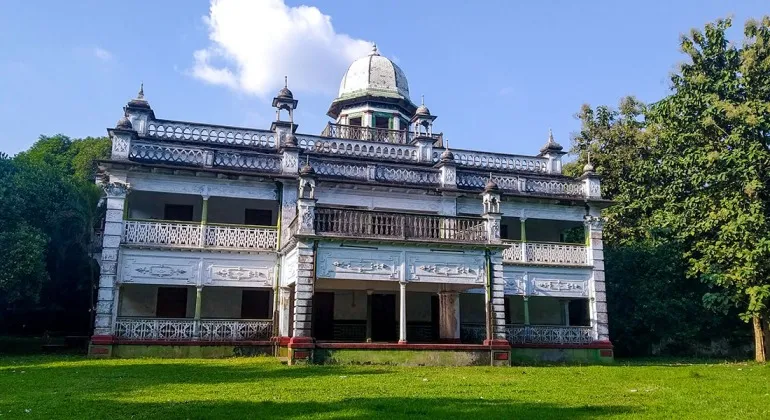
Bhawal Raj Crematorium Gazipur , also known as Bhawal Raj Crematorium, Bhawal Raj Crematorium or Bhawal Rajakiyo Crematorium, is one of the historically significant yet relatively lesser-known heritage attractions in Gazipur, Bangladesh. Located in the Uttar Chhayabithi area of ​​Joydevpur, near the southern bank of the Chilai River, this remarkable complex preserves the funerary customs, religious rituals and architectural heritage of the influential Bhawal zamindar family. Its towering ornate monuments, weathered brickwork, distinctive pinnacles and historic Shiva temple provide an atmospheric introduction to a fascinating chapter in Bengal's aristocratic past.

The historic crematorium is located about a kilometer north of Bhawal Rajbari, a former royal residence attached to Bhawal Estate, Gazipur . While the palace symbolizes the political influence and lavish lifestyle of the zamindars, Bhawal Raj Shmashanswari reveals another aspect of their lives: their religious beliefs, commemorations, and paying homage to deceased family members. Visiting these two places provides a more complete picture of the historical development of Joydevpur and the Bhawal dynasty.

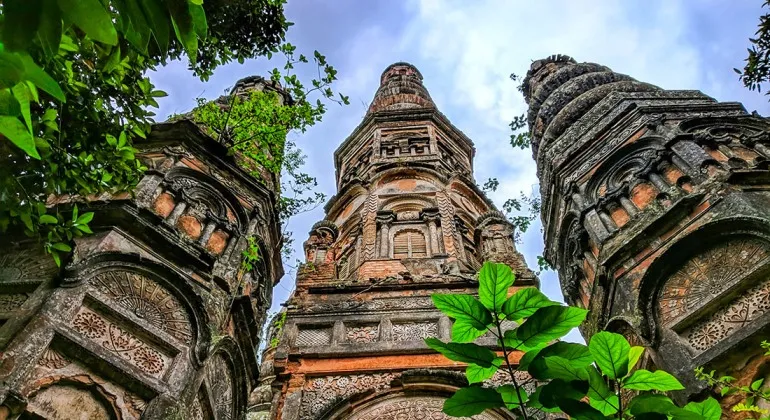
According to historical accounts, the original crematorium was spread over an area of ​​about five acres. The complex contains monuments to deceased members of the royal family, commemorative inscriptions, and a Shiva temple, all of which show architectural influences from the decorative tradition of the Mughal period. The site is particularly memorable for its tall, intricately carved brick structure, with arched niches, floral designs, geometric details, and sculpted surfaces that reflect the craftsmanship of earlier times.

Unlike the commercial resorts and entertainment centers of Gazipur, Bhawal Raj Crematorium is primarily a cultural, archaeological and religious heritage site. Visitors come here to explore its history, observe the architecture, take pictures of its exterior structure and appreciate the connection between local heritage and Bhawal Estate. Since the premises have religious and funerary heritage, respectful behavior is essential throughout the visit.

Location: North Chhayabithi, Joydevpur, Gazipur, Bangladesh. Primary landmarks: Bhawal Rajbari, Shibbari area, Joydevpur city center and Chilai River. Suggested visit duration: 30-60 minutes. Suggested tour: A traditional tour combining Bhawal Raj Shmashanswari with Bhawal Rajbari and other attractions of Central Gazipur.


History of Bhawal Raj Crematorium

The history of Bhawal Raj Crematorium is closely linked to the rise of Bhawal Zamindari, one of the major landed estates in historical Bengal. The Bhawal family owned vast landholdings in the vicinity of present-day Gazipur. Beyond land administration, their influence extended to religious patronage, architecture, social institutions, and the development of Joydevpur as an important regional center.

Origin of Bhawal Zamindari

Historical accounts indicate that the family's ancestors originated from the Bajrayogini area of ​​present-day Munshiganj. Early accounts of the Bhawal estate mention Balaram Roy as a key figure in the acquisition and consolidation of the family's landholding interests. The estate was extended by subsequent generations, and the name Joydevpur is traditionally associated with Joydev Roy, a member of the ruling family.

In the 19th century, the zamindars of Bhawal built religious buildings, residential complexes, memorials, and other structures to reflect their wealth and social status. The Bhawal Raj Crematorium was part of this larger tradition of aristocratic patronage, providing a specific ceremonial and memorial space for deceased family members.

Construction and royal patronage

The exact chronology of the construction of the Bhawal Raj Crematorium is not unanimously established in published accounts. Various histories associate the complex with 19th-century members of the Bhawal dynasty, particularly Kali Narayan Roy, while some accounts refer to earlier family patrons or construction periods. The mid-19th century is often cited as a key period in its development.

Local historical accounts link this architectural design to Kamakhya Raya, who is described in some accounts as an artisan or architect brought from Puri in present-day India. This connection is part of the historical heritage of the site, although the existing documents available to the public do not conclusively establish every detail. Therefore, rather than assuming a single definitely documented construction date, visitors should understand the architectural complex as a heritage site developed under the patronage of the Bhawal dynasty.

Royal cremation and remembrance

The main purpose of this complex was to perform the funeral and cremation of deceased members of the Bhawal zamindar family. According to Hindu funerary customs, the crematorium was considered a sacred place associated with death, remembrance, ceremonial purification, and religious rituals.

Monuments and tablets were erected in memory of deceased family members. The surviving structures show how members of a powerful landowning family were commemorated through permanent architectural monuments. Their decoration also suggests that the complex was designed as more than just a functional cremation ground: it was part of the family's visible religious and cultural heritage.

Relationship with Bhawal Palace

The geographical relationship between the crematorium and the Bhawal Palace is particularly significant. The two sites, located about a kilometer apart, represent two interconnected parts of the same estate. The palace served as an administrative and residential center, while the crematorium was used for religious and commemorative purposes.

Visitors interested in the famous Bhawal Sannyasi case—a legal dispute over the identity and inheritance rights of a man who claimed to be the second prince of the estate—can deepen their knowledge by touring the historical context of both properties. However, the surviving cremation structures should not be presented as direct evidence of any specific episode in that legal dispute.


Architecture and important features

The most striking feature of Bhawal Raj Crematorium is its unique historical architecture. The complex, which once housed a royal crematorium, features towering monuments, ornate brick structures, religious buildings and memorials. The combination of Hindu funerary traditions with architectural styles influenced by the designs of the Greater Bengal and Mughal periods makes this place particularly attractive to heritage lovers.

Ornate monument tower

The towering stele is the most recognizable architectural feature of the complex. Several structures rise in complex vertical tiers, which include decorative panels, arched niches, projecting moldings, and sculptural ornamentation. Their unusual form distinguishes them from conventional residential or administrative buildings of the same period.

Visitors should carefully examine the surviving details on the exterior. Floral and geometric carvings, decorative grooves, eroded plaster, and exposed masonry reveal original craftsmanship. Changes in surface color and texture also highlight the effects of age and environmental influences on historic architecture.

Historic Shiva Temple

A notable religious feature of the complex is its Shiva temple, often described in travel and historical accounts as a six-pillared, Mughal-influenced architectural masterpiece. The temple reflects the importance of Shaivism in the religious tradition associated with the estate.

The presence of the Shiva temple also helps explain why the complex retains cultural and religious significance beyond its original connection to royal funerals. Visitors should consider the temple complex as a place of worship, rather than a free-for-all tourist attraction.

Memorial plaques and family monuments

Historically, the grounds have contained memorials and monuments to deceased members of the Bhawal family. These features provide a tangible connection to the people who lived during the period under the influence of the estate. Depending on condition and accessibility, visitors may be able to see surviving inscriptions, memorials and the remains of associated architecture.

Some historical accounts mention seven main memorial structures or cremation monuments, although published accounts vary in the description of the main courtyard and the number of surviving structures. The visual condition and accessibility of each monument may change as conservation and maintenance activities continue.

Traditional building materials and decorative details

The historic buildings feature brickwork, lime-based construction materials, and ornamentation typical of regional traditional architecture. The minarets' layered surfaces, molded designs, and sculptural ornamentation are particularly attractive subjects for architectural photography.

However, over the years, there have been reports of deterioration of the architectural complex. Visitors should refrain from climbing the minarets, entering the rickety structures, leaning on damaged walls, or removing any pieces of the masonry. Preserving the surviving architectural features is essential to maintaining the historical significance of the site.


Things to see and do

Bhawal Raj Crematorium is best enjoyed as a short and thoughtful heritage tour. Its main attractions are the historical interpretation, architecture, photography and the opportunity to understand the religious traditions associated with the former Bhawal estate.

  • Explore the architecture of surviving monuments: From places where access is permitted, observe ornate minarets, decorative niches, traditional brickwork, and distinctive historical features.
  • Visit the Shiva Temple: Admire the temple's traditional architecture and its connection to Hindu religious practices. Observe any ongoing pujas or restrictions imposed by the caretakers.
  • Learn the history of the estate: Learn how the Bhawal family used permanent monuments to commemorate deceased relatives and reinforce the estate's cultural identity.
  • Take photos of architecture: Eroded surfaces, repeating arches, sculptural ornamentation, and steep peaks create striking imagery, especially in natural daylight.
  • Explore the surrounding heritage landscape: observe the relationship between the historic crematorium, the Chilai River area, and the old neighborhoods of Joydevpur.
  • Plan a combined historical tour: Visit Bhawal Rajbari in Gazipur on the same tour to understand the administrative, residential, and religious architecture of the estate together .

Photography advice

Morning and late afternoon light can bring out the texture of the brickwork, decorative panels and architectural carvings. A mobile phone is sufficient for basic photography, but a camera with a medium zoom lens can help capture the fine details at the top of the minarets. Avoid approaching the shaky walls just to get a good angle.

Obtain permission before photographing worshippers, religious ceremonies, caretakers, or any funeral-related activity. Drone photography should not be undertaken without proper permission from the relevant authorities and site managers.

Recommended visit duration

Depending on the access conditions and your interest in architecture, allow about 30-60 minutes for a leisurely tour. History buffs and photographers may want to take more time. Visitors to Bhawal Palace along with the crematorium should generally allow two to three hours for both sites, unless there are major delays in transit.


Entrance fees, opening hours and visiting rules

Bhawal Raj Crematorium is a historical religious and archaeological site, not a commercial attraction with regular ticketing. There is no current official admission fee or verified weekly schedule from publicly available information. Visitors should confirm entry locally before making any special trips.

Visitor information Details
General Admission There is no set ticket price for the public; visits are generally considered free, subject to local permits and access arrangements.
Admission of children No separately published ticket price list for children could be identified.
Photography charges There is no set tariff for photography; special equipment or permits may be required for commercial filming.
Official opening hours Not publicly verified.
Recommended time to visit During the day, from 9:00 AM to 4:00 PM, entry is subject to permit. This is a recommendation, not an official schedule.
Recommended visit duration 30-60 minutes.
Guided tour There is no guaranteed regular government guided-tour service.
Advance booking No online admission-booking system for the public could be identified.

Important rules for visitors

  • Always respect the religious and funerary significance of the location.
  • Follow the instructions of supervisors, worshipers, or relevant authorities regarding entry into specific areas.
  • Do not climb historical monuments, enter structurally unsafe buildings, or interfere with damaged masonry.
  • Avoid loud music, disorderly gatherings, littering, and activities inappropriate for a religious place.
  • Please seek permission before taking photos of religious ceremonies, worshippers, or any person inside the premises.
  • Dress modestly when entering or heading to a place of worship.
  • Do not remove bricks, stones, decorative fragments, or other archaeological materials.
  • Keep a close eye on children, as uneven surfaces and dilapidated structures can pose dangers.

Planning Note: As this is not a commercial museum with a regular staff, visitor amenities, access arrangements, religious activities, and access restrictions may vary. It is best to plan a visit during the day, following local advice, rather than arriving late at night.


Best time to visit Bhawal Raj Crematorium

Bhawal Raj Crematorium can be enjoyed all year round, but October to March is a good time to combine its historic architecture with other traditional attractions in Gazipur . This time is especially suitable for travelers who plan a full-day itinerary centered around Joydevpur.

It is a wise decision to go between approximately 9:00 AM and 11:00 AM or 2:30 PM and 4:00 PM for photography and architectural observation. These times are recommended for exploring in natural light, they are not guaranteed opening times. For tourists who wish to visit Bhawal Palace or other local destinations afterwards, a morning trip is convenient.

For those who prefer to visit historical sites without rushing, weekdays may be convenient. Actual crowd levels may vary during local religious ceremonies, public holidays, and social gatherings. If any worship or ceremonial activities are in progress, visitors should prioritize the needs of worshippers.

To spend a full day in Gazipur, you can first visit the crematorium and Bhawal Rajbari , then spend the rest of the day at bhawal National Park in Gazipur , but it depends on the individual operating hours and entry arrangements of that park.


How to reach

Bhawal Raj Crematorium is located in the Uttar Chhayabithi area of ​​Joydevpur, Gazipur, near the Chilai River, approximately one kilometer north of Bhawal Rajbari. Its location within the greater Gazipur urban area makes it accessible by bus, train, private vehicle and local transport from Dhaka and other parts of Gazipur.

By bus from Dhaka

  1. Board at a suitable boarding point for buses bound for Tongi, Gazipur intersection or Joydevpur, such as Abdullahpur or any other stop on the Gazipur-bound route.
  2. Board a bus bound for Gazipur or Joydevpur. Check whether the service will continue to Shivbari or requires a transfer to Gazipur intersection.
  3. Get off near Shibbari in Joydevpur, this is a familiar route for locals to get to the crematorium.
  4. Hire a rickshaw or battery-powered autorickshaw and ask the driver for Bhawal Raj Shmashanaswari, Bhawal Raj Shmashan or Bhawal Raj Shmashan Ghat near Uttar Chhayabithi.
  5. Confirm your final destination locally, as the final stretch may include neighborhood roads and the exact drop-off location may vary.

Estimated bus fare: Expect to pay around 60–150 taka per person for a typical journey from Dhaka to Gazipur, depending on the boarding point, bus service and distance. This is a planned estimated cost, not a verified current fare. The journey from central Dhaka usually takes around one and a half to three hours, but can take significantly longer during heavy traffic.

By train from Dhaka

  1. Check the current Bangladesh Railway timetable for passenger services that stop at Joydevpur Railway Station from Dhaka or Airport Railway Station.
  2. Buy a valid ticket for a train that clearly mentions Joydevpur as a scheduled stop.
  3. Upon reaching Joydevpur Railway Station, take a local rickshaw, auto-rickshaw or CNG-powered three-wheeler to head towards Uttar Chhayabithi and Bhawal Royal Crematorium Complex.
  4. Tell the driver that the destination is the historic Bhawal Raj Crematorium, near Bhawal Rajbari and the Chilai River area.

Estimated budget for train and onward travel: Allow around 50–200 taka per person for a normal train journey, depending on the route and class, and an additional 50–150 taka for final transfers, subject to local negotiation. These allocations are estimates, not guaranteed rail tickets or local fares. Train availability, intermediate stops and ticket prices should be checked with Bangladesh Railways before travelling.

By personal car or rented vehicle

Travelers by private vehicle can usually travel from Dhaka to Gazipur via the Tongi-Gazipur corridor and proceed towards Joydevpur. After reaching Shibbari or Bhawal Rajbari areas, proceed along local roads towards Uttar Chhayabithi. Allow extra time for traffic congestion at major junctions and commercial areas.

In private transport, it can usually take around 1–2.5 hours or more to travel from Dhaka to Joydevpur, depending on the departure point and traffic. In case of a rented sedan car to travel from Dhaka to Gazipur, it can cost around 3,000–6,000 taka or more, depending on the travel time, rental company, fuel, tolls, driver allowance and waiting time. Always get an inclusive price list before booking.

Large vehicles may not be able to easily access the entrance directly. If the entrances are narrow or unsuitable, arrange for a safe drop-off and continue on foot or, if permitted, by local transport.

From Gazipur district headquarters and Joydevpur city

It is particularly convenient to reach this interesting place from central Joydevpur. The historic bhawal Rajbari, associated with the Gazipur district administrative complex, is located about a kilometer south of the crematorium. You can take a short rickshaw or auto-rickshaw ride from the Rajbari or Shibbari areas, or you can walk if the path and conditions are favorable.

For local travel, short-distance rickshaw or shared auto rides can cost around 30-100 taka, but for reserved vehicles or longer journeys, fares can be higher. Confirm the fare before you get in. Historical guidebooks mention lower fares, but these should not be taken as guaranteed fares for today.

By air

The most convenient airport for passengers arriving from outside the Dhaka region or from abroad is Hazrat Shahjalal International Airport in Dhaka. There is no direct passenger flight service to the crematorium premises. From the airport, take a taxi, pre-arranged car or suitable public transport to Gazipur and Joydevpur, then complete the final journey in local vehicles.

Depending on traffic and the route chosen, the road journey from the airport to Joydevpur can take anywhere from 45 minutes to two hours or more. Make sure to check the fare for the airport pick-up and return journey before you set off.

Nearby attractions and directions suggestions

  • Bhawal Rajbari: Located about one kilometer south; one of the most important historical landmarks.
  • Shibbari, Joydevpur: A convenient signpost for local transport when asking for directions.
  • North Chhayabithi: Area adjacent to the historic crematorium complex.
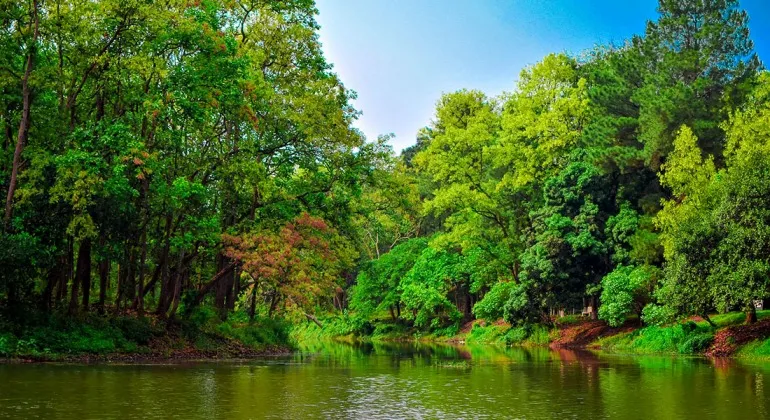
  • Chilai River: The place has a historic riverside environment.
  • Joydevpur Railway Station: A convenient arrival point for tourists traveling by rail.

Directions: Local spellings may vary. Search or inquire by typing Bhawal Raj Shmashaneshwari, Bhawal Raj Shmashaneshwari, Bhawal Raj Shmashan, or Bhawal Raj Shmashaneshwari. Make sure the destination is the historical square near Uttar Chhayabithi, not an unrelated crematorium located elsewhere in Gazipur. The map coordinates provided for this listing are linked to an external map reference for this attraction.

Bhawal Raj Crematorium Gazipur

GPS: 24.0070239, 90.4305668
Get Directions

Where to eat

Bhawal Raj Crematorium is primarily a historical and religious pilgrimage site, and visitors should not assume that there are restaurants, cafes, or organized dining options within the premises. For reliable food, it is best to head to the central Joydevpur, Shibbari, or other established commercial areas of Gazipur.

Local restaurants in Joydevpur

Joydebpur city center and the Shibbari area are convenient places to grab a bite to eat before or after sightseeing. Depending on the restaurant, visitors can enjoy traditional Bangladeshi rice dishes, fish curry, chicken or beef dishes, vegetables, pulses, parathas, tea, and light snacks. Restaurant availability and menus vary, so choose an establishment that looks clean and has a high local clientele.

As a general guideline for budgeting, a typical local meal can cost around 120–300 taka per person, while a good quality restaurant meal can cost 300–600 taka or more. These are estimated meal budgets, not verified prices from any specific establishment.

Tea, snacks and drinks

Bottled water, tea, biscuits and simple local food can be found in small shops around the greater Joydevpur urban area. Take drinking water with you if you plan to visit multiple historical sites in one trip. Dispose of packaging responsibly, especially near religious buildings and heritage sites.

Resort dining experience

Travelers who want a more organized dining experience can check out Gazipur resorts for meal packages or restaurant facilities. Options within the larger district include Holiday Resort Gazipur (Chuti Resort) , Water & Jungle Kabbo , and Sara Resort Gazipur . These resorts may not be within walking distance of the historic site and may require advance reservations, day-use packages, or other arrangements to dine here.

Practical Tip: A convenient itinerary is to visit Bhawal Raj Crematorium in the morning, then visit Bhawal Rajbari, and then return to Joydevpur city center for lunch.


Where to stay?

Since Bhawal Raj Crematorium is accessible from Dhaka, most tourists can visit it during the day without the need to stay overnight. However, those planning a longer itinerary in Gazipur, exploring religious heritage, nature trekking or a resort holiday, can find accommodation throughout the district.

Hotels in Joydevpur and Central Gazipur

Visitors whose main priority is to visit the Bhawal Rajbari and the crematorium can opt for a hotel or guesthouse in Joydevpur or Gazipur city areas. Staying locally reduces travel time to historical sites and provides access to city restaurants and transportation services.

For planning purposes, a budget of approximately ৳1,000–৳2,500 per night for a basic stay can be set, but hotels with more advanced amenities may cost more. These figures are only an estimate, they are not verified and actual room rates. Please confirm the room conditions, security, ID requirements, and actual price directly before booking.

Resorts for a relaxing vacation in Gazipur

Gazipur is known for its forest retreats, well-equipped resorts, and accommodations designed for day trips. Travelers who want to combine a rural experience with a visit to historical sites can consider Nakkhotarobari Resort , Rajendra Eco Resort Gazipur , Sohag Palli Gazipur , or Angana Resort Gazipur .

Other resorts worth comparing include Spring Valley Resort Gazipur , Ananda Park Resort Gazipur , and Sara Resort Gazipur . The cost of accommodation, overnight packages, travel distance, restaurant facilities, and daytime terms and conditions vary from resort to resort.

Choosing the best accommodation

  • For visiting historical places: Choose accommodation close to Joydevpur city center to reduce local travel time.
  • For couples and families: You can consider a resort in Gazipur that has suitable rooms, dining options, and entertainment facilities.
  • For group travel: Compare between large resorts that offer advance booking facilities and group packages.
  • For budget travelers: Return to Dhaka on the same day or compare among the established residential hotels in central Gazipur.

When booking a resort, check whether the quoted price includes meals, taxes, service charges, transportation, entertainment, and access to common facilities. Many resorts are located outside the city center of Joydevpur, so it is worth checking separately when arriving at Bhawal Raj Shmashaneshwari.


Travel tips, safety and heritage preservation

Bhawal Raj Crematorium rewards visitors who come here with patience and an interest in history. Unlike a modern amusement park, the complex has an atmosphere of old architecture and religious rituals and concerns for historical preservation.

Security around historic buildings

In recent years, various reports have highlighted the deterioration and conservation concerns of this architectural complex. Some brickwork, decorative surfaces and structural elements may be fragile. Visitors should stay on clearly accessible paths, avoid entering unstable interiors and obey any barriers or warning signs. One should not assume the current structural condition of each monument based on old travel photos.

Respect for religious traditions

This site has a long history of Hindu funerals and Shiva worship. Be considerate of worshippers and local residents, especially during ceremonies. Do not interfere with offerings or objects of worship, and seek permission before entering any protected sacred sites. The religious significance should take precedence over the convenience of taking photographs or sightseeing.

Accessibility considerations

Reliable information about wheelchair ramps, accessible routes, specially constructed toilets and designated visitor facilities is not publicly available. Visitors with mobility limitations should make local assistance arrangements in advance and be prepared for uneven terrain, narrow paths or areas with limited access.

What to take with you

  • Comfortable shoes suitable for walking on uneven historical surfaces.
  • A mobile phone with saved navigation details and sufficient battery charge.
  • Drinking water and some cash for local transportation.
  • A camera or smartphone, subject to permission to take photos outside.
  • Appropriate modest clothing for religious heritage sites.
  • A small personal first aid kit if traveling with children or elderly family members.

Responsible heritage tourism

Historic sites like Bhawal Raj Crematorium are important documents of regional craftsmanship, social history, and religious culture. Visitors can help preserve them by avoiding contact with fragile architectural decorations, removing litter, respecting community boundaries, and discouraging vandalism. Responsible tourism helps in the long-term preservation of Gazipur's architectural heritage.


Nearby attractions

Bhawal Raj Crematorium is an excellent starting point for exploring the architectural heritage, forest lands, religious history and rural recreation of Gazipur. The following places of interest are located within Gazipur district, although not all are right next to the crematorium premises. Plan your journey according to their respective locations and opening hours.

Historical and cultural attractions

  • Bhawal Rajbari Gazipur : Located about a kilometer south of the crematorium, this former royal residence is a natural complementary attraction. Its history helps explain the wealth, influence, and political importance of the Bhawal zamindars. Since the building is used for government administrative purposes, access to its interior may be limited.
  • St. Nicholas Church, Gazipur (St. Nicholas Church Gazipur) : A heritage site associated with the Christian history of the region, it offers a different perspective on the religious and cultural diversity of Gazipur.

Nature and wildlife attractions

  • Bhawal National Park, Gazipur : A well-known forested area offering a contrasting experience of natural scenery and outdoor recreation after visiting the historic crematorium.
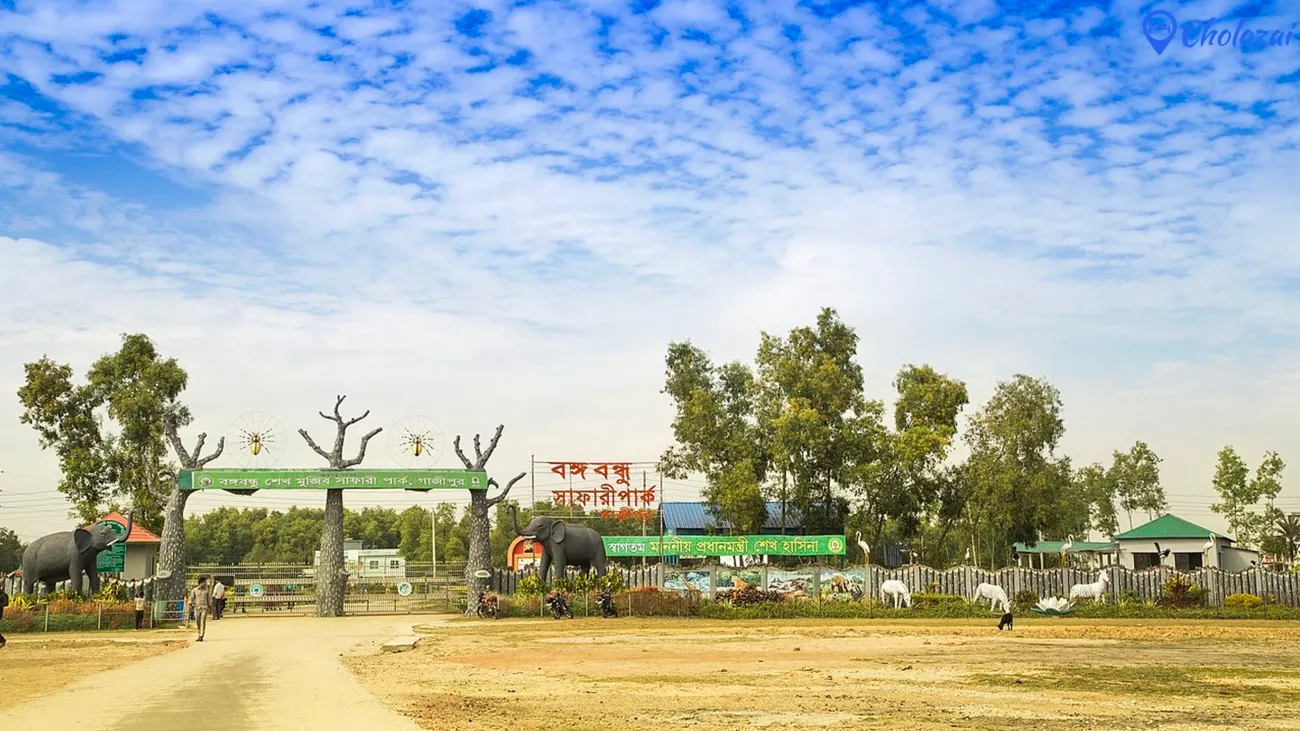
  • Bangabandhu Safari Park, Gazipur : A wildlife-centric attraction located within the larger district, suitable for tourists planning separate and longer trips. Check its current operational status, access arrangements, and visitor facilities before setting off.
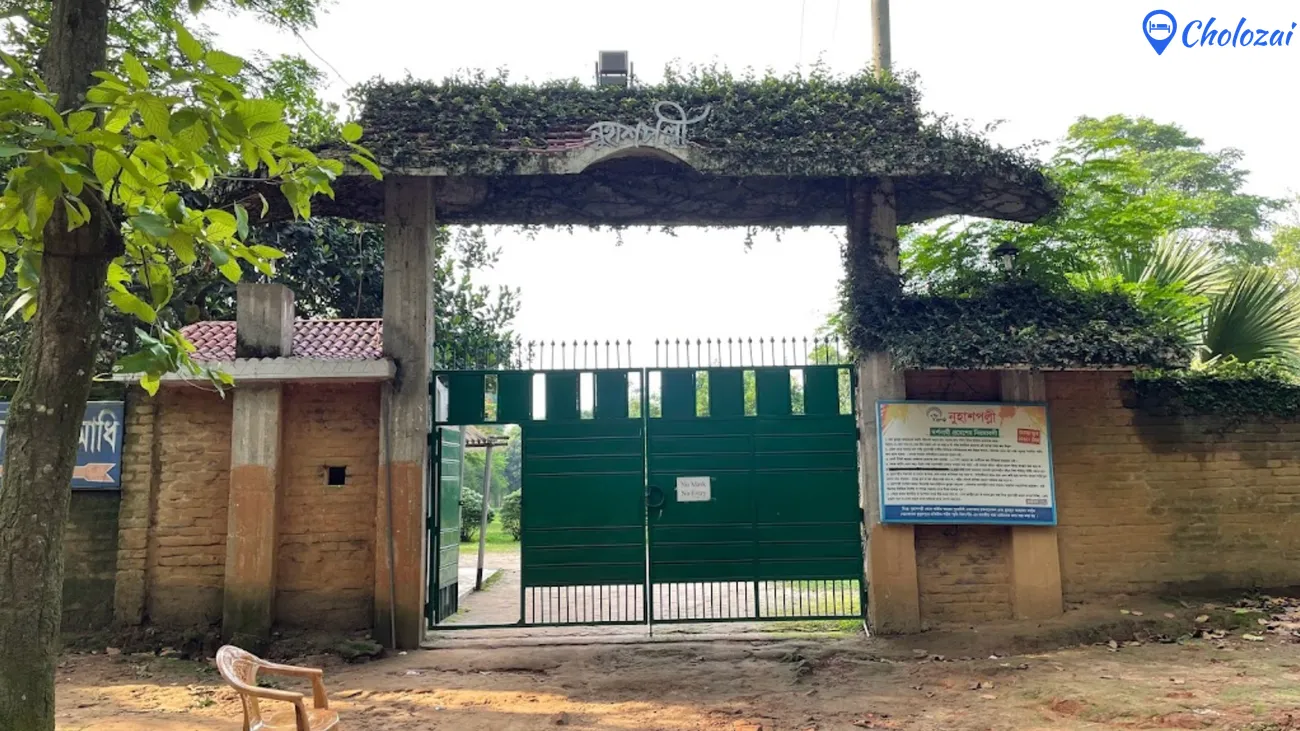
  • Nuhash Palli : A well-equipped cultural retreat associated with renowned Bangladeshi writer and filmmaker Humayun Ahmed. Its gardens and creative environment attract visitors who love literature and nature.

Resorts and recreational destinations

  • Holiday Resort Gazipur (Holiday Resort) : A rural accommodation and entertainment option for tourists wishing to extend their travels beyond the historic center.
  • Water and Jungle Kabbo : A nature-focused retreat known for its rural setting and traditional food experiences, by prior arrangement.
  • Nokkhotarobari Resort : This is a popular rural resort for those looking for a place to stay and a quiet natural environment.
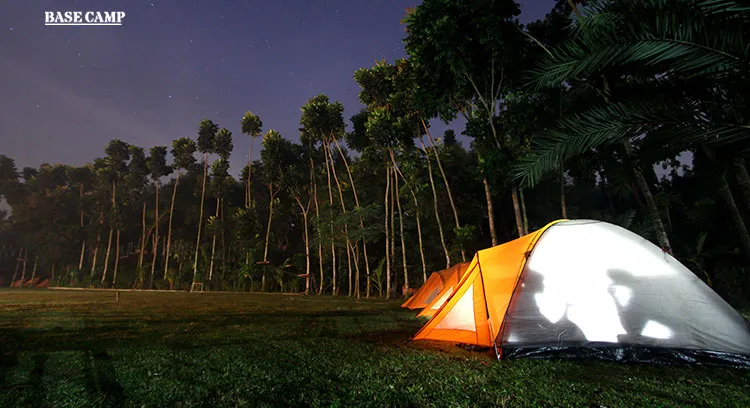
  • Base Camp Bangladesh Gazipur : An adventure and group activity destination for those seeking a more active recreational experience.
  • Sara Resort Gazipur : This is a resort option for travelers who are interested in a planned day trip or overnight stay.

Suggested one-day itinerary for Gazipur heritage tour

Morning: Upon arrival at Joydevpur, visit Bhawal Raj Crematorium. Allow 30-60 minutes for permitted sightseeing and photography. As the day progresses, visit Bhawal Rajbari to learn about the residential and administrative history of the estate. Lunch: Have lunch at a convenient restaurant in Joydevpur town. Afternoon: As per the current schedule, visit Bhawal National Park for a change of scenery before returning to Dhaka .

Those with extra time can plan a separate day at Nuhash Palli , Bangabandhu Safari Park Gazipur , or one of the established rural resorts in the district. Combining the Royal Crematorium with other attractions creates a balanced experience of visiting Gazipur, which combines history, architecture, religion, culture, and entertainment.

Frequently Asked Questions (FAQ)

Bhawal Raj Shmashaneshwari is located on the south bank of the Chilai River in the North Chhayabithi area of ​​Joydevpur, Gazipur district, Bangladesh. This historical site is located about one kilometer north of Bhawal Rajbari in Gazipur . The Shivbari and Bhawal Rajbari areas are two convenient landmarks for local drivers. This place is also known as Bhawal Raj Shmashaneshwari or Bhawal Raj Shmashan Ghat. The map location associated with this listing is approximately 24.0070239 latitude and 90.4305668 longitude.

Explore The Area

Top Attractions & Places to Visit in Gazipur

Discover more heritage, nature, and must-visit spots across Gazipur.

View all in Gazipur

Water and Jungle Kabbo

Jal O Jangaler Kabbo , also spelled Jal O Jangaler Kabbo Resort and locally known as Pilot Bari , is a unique nature-ins...

Shafayet Al-Anik

Base Camp Bangladesh Gazipur: Location, Activities, Ticket Prices, Accommodation and Travel Guide

Base Camp Bangladesh Gazipur is an outdoor adventure and recreation center located in Madhabpur, Shafipur, Gazipur Distr...

Shafayet Al-Anik

Bhawal Rajbari Gazipur

Bhawal Rajbari Gazipur is one of the most historically significant places in Gazipur, Bangladesh. Located in the heart o...

Shafayet Al-Anik

Baliadi Jamid's home is Gazipur.

Baliadi Zamidar Bari is a historic Zamindar house located in Baliadi, Kaliakair Upazila, Gazipur District, Bangladesh. L...

Shafayet Al-Anik

Bhawal National Park Gazipur

Bhawal National Park is one of the most accessible forest areas in Gazipur district of Bangladesh, offering a charming e...

Shafayet Al-Anik

Holiday Resort Gazipur

Holiday Resort Gazipur is a picturesque rural resort located in the village of Sukundi in Amtoli Upazila of Joydevpur in...

Shafayet Al-Anik

Angana Resort Gazipur

Angana Resort Gazipur is a rural resort located in Suryanarayanpur village along the Daybari Road in Kapasia, Gazipur Di...

Shafayet Al-Anik

Bangabandhu Safari Park Gazipur

Bangabandhu Safari Park Gazipur , formerly known as Bangabandhu Sheikh Mujib Safari Park and officially renamed Safari P...

Shafayet Al-Anik

Nuhash Polli

Nuhash Palli , known as Nuhash Palli in Bengali, is one of the culturally significant natural recreation centers in Gazi...

Shafayet Al-Anik

logo ColoZai

ColoZai is a trusted travel guide and destination explorer platform in Bangladesh. We are making travel simple, authentic, and accessible for everyone.

Need Help ?

We are Always here for you! Knock us on Whatsapp (10AM - 10PM) or Email us.