Bagha Mosque Rajshahi

Bagha Mosque Rajshahi

Rajshahi
·

17 October 2026

Travel Overview & Quick Facts

Directions
Location
Rajshahi
Admission / Entry Fee
Entry is free for all visitors. There is no specific entry ticket for visiting Bagha Masjid or offering prayers. Visitors may incur separate costs for transportation, parking, refreshments or voluntary donations. If there are any special charges for any organized activities or services, this should be confirmed locally.
Best Time to Visit
Open all year round, but October to March is ideal for visiting. Early morning and late afternoon visits are recommended.
Opening Hours
Open 24 hours (daily). Being an active mosque, visiting or taking photos may be temporarily limited due to prayer activities and local management.
Google Rating
★ 4.6 (2801 reviews)
Category / Type
Historical monuments, Islamic heritage sites, architectural attractions, religious and cultural tourism

Introduction to Bagha Mosque Rajshahi

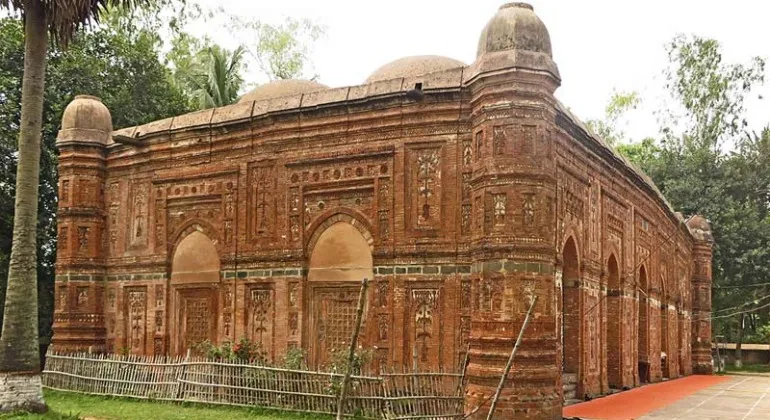
The Bagha Mosque in Rajshahi, locally known as the Bagha Shahi Mosque or Bagha Mosque , is one of the most significant surviving examples of Bengali Sultanate architecture in Bangladesh. Located in Bagha Upazila, about 37–40 km southeast of Rajshahi city, this historic mosque is famous for its intricate terracotta craftsmanship, distinctive ten-domed roof, centuries-old religious heritage, and beautiful and harmonious brick architecture.

Built during the reign of Sultan Nasiruddin Nusrat Shah in 1523-1524 AD, the Bagha Mosque represents an important chapter in the architectural and cultural history of Bengal. Its richly decorated walls feature floral designs, creepers, geometric designs and traditional terracotta motifs, which bear witness to the extraordinary craftsmanship of medieval Bengali craftsmen. Unlike many large mosques known primarily for their size, the Bagha Mosque impresses visitors with the subtlety of its decoration and the harmony of its architectural design.

The mosque is located within a historic complex, which includes a large pond locally known as Bagha Dighi and the nearby shrine of Sufi saint Shah Daula. Together, these sites create an important religious and cultural destination that continues to attract worshippers, historians, architecture lovers, photographers, and domestic tourists.

For tourists visiting the historical sites of Rajshahi, Bagha Mosque can be a great addition to an itinerary that includes Puthia Palace Rajshahi and Barendra Research Museum . These sites showcase various aspects of the region's architecture, art, and cultural history.

Brief information about the tour: Bagha Mosque is an active Islamic place of worship, which is generally accessible without an entrance ticket and can be visited in approximately 45-90 minutes. Visitors who wish to observe the architectural details, take photographs of the premises (with permission), or explore the surrounding heritage landscape can allow up to two hours.


History and historical significance

The history of Bagha Mosque dates back to the early 16th century, when Bengal was ruled by the independent Hussain Shahi dynasty. Historical inscriptions attribute the construction of the mosque to Sultan Nasiruddin Nusrat Shah , who ruled Bengal from 1519 to 1532 AD. The mosque was built in approximately 930 AH, which corresponds to 1523–1524 AD.

Nusrat Shah was the son of Sultan Alauddin Hussain Shah, whose dynasty was associated with an important period of political power, cultural development, and architectural patronage in medieval Bengal. Mosques and other religious buildings during this period often integrated Islamic architectural styles with local brick-building traditions.

The Bagha Mosque is particularly valuable because its architecture demonstrates how regional craftsmen adapted Islamic design principles to the materials, artistic traditions, and environmental conditions of Bengal. Rather than relying solely on massive stone construction, the builders used carefully arranged brickwork and carved terracotta surfaces to create an extraordinarily rich ornamentation.

Survival, earthquake damage and recovery

During its nearly five-century history, the Bagha Mosque has experienced structural damage, repairs, and restoration. Historical accounts indicate that it was severely damaged in the 1897 earthquake, which particularly damaged the original domes. Later, through conservation and reconstruction, the mosque's distinctive architectural style was restored.

Thus, the current structure reflects both its 16th-century origins and later renovations. Visitors should understand that while the mosque retains its significant historical features, not every visible architectural element has retained its original state.

Importance of cultural heritage in Bangladesh

Bagha Mosque has become a recognized symbol of Bangladesh's architectural heritage. Its image has been featured on Bangladesh's historic coins and postage stamps, highlighting its national cultural significance.

The mosque survives as an active religious institution, not just a monument reserved for tourism. Its continued use for worship connects contemporary social life with the religious heritage of medieval Bengal.

Tourists interested in placing the Bagha Mosque in the larger historical context of the region should also visit the Barendra Research Museum , whose archaeological collection provides valuable insight into the art, religion, and civilization of northern Bangladesh. (Varendra Research Museum)


Architecture and terracotta decoration

The architecture of Bagha Mosque is its main attraction. The building belongs to the Sultanate architectural tradition of Bengal , where harmonious proportions, heavy masonry, multiple domes, curved architectural forms and elaborate brickwork create an elegant and distinct regional style.

Ten-domed roof

One of the main architectural features of the mosque is its arrangement of ten domes . Its interior is divided into two longitudinal corridors and ten chambers, and the roof structure corresponds to these divisions. The domes create a balanced arrangement, which gives this relatively small building an impressive appearance.

The mosque also has four octagonal corner minarets, which further enhance the symmetrical form of the building. These minarets are decorated with decorative friezes and reflect the design principles prevalent in the historic mosques of Bengal.

East entrance and prayer room

The eastern facade has five arched entrances, creating a rhythmic architectural pattern. Inside the prayer hall, stone pillars and arches divide the interior into several distinct spaces and support the domed roof above.

The west wall has three mihrabs, which are decorative niches and indicate the direction of prayer, facing Mecca. Another notable element of the interior decoration is a raised architectural feature, traditionally associated with royal or special galleries.

Terracotta floral and geometric motifs

The Bagha Mosque is particularly famous for its ornate terracotta panels. Terracotta is baked clay that can be shaped and carved before hardening with heat. Its widespread use in Bengal reflects the region's long tradition of brickmaking and artistic craftsmanship.

Visitors can examine decorative compositions consisting of the following elements:

  • Floral design: Artistic flowers, petals, and plant motifs.
  • Climbing vines and foliage: A design of interconnected plants that creates a sense of movement across architectural surfaces.
  • Geometric ornamentation: Repetitive decorative patterns that reinforce the symmetry of the mosque.
  • Chain and bell design: A traditional decorative style used in terracotta decoration.
  • Decorated arches and niches: Fine craftsmanship surrounding entrances and important interior architectural features.

The richness of its decoration becomes particularly apparent when viewed up close. Visitors interested in photographing heritage sites should carefully examine the outer walls, as many of the most interesting details are found on relatively small carved plaques.

Materials and construction

The mosque was built mainly of brick masonry, with stone used for its important structural elements, such as the foundation, lintels, and supporting pillars. Traditional lime-based construction techniques were also used in its construction.

Relatively thick walls and compact internal dimensions are characteristic of many historic mosques in Bengal. Along with arches and domes, these features bear witness to the engineering knowledge of the region's builders in the early 16th century.


Main attractions and things to do

Although Bagha Masjid is not a major entertainment center, it offers a great experience for travelers interested in history, architecture, religion, photography, and local culture. Its attractions are best enjoyed at a leisurely pace rather than in a rush.

1. Be amazed by the historic mosque

Start by observing the exterior of the mosque from the courtyard. The ten domes, corner minarets, arched entrances, and ornate brick walls provide a wonderful introduction to the Sultanate architecture of Bengal.

Explore the permitted outdoor areas to appreciate how decorative panels, arches, and proportional layouts work together. Avoid touching historic surfaces or leaning on fragile masonry.

2. Explore terracotta artwork

Notice the intricate terracotta carvings that surround the entrance and other decorative surfaces. This floral and foliage decoration is one of the main reasons why this monument is so valuable to historians and architecture lovers.

A camera or smartphone with a functional zoom function can help you capture details without getting too close to restricted or sensitive areas.

3. Visit Bagha Dighi

The historic pond, known as Bagha Dighi, is an important part of the surrounding traditional landscape. Its wide water body and its connection to the mosque add visual and historical interest to the visit.

The pond is also associated with local traditions of water management and public welfare during the Sultanate period. Visitors can enjoy its view from the public open space, but locals should refrain from swimming or entering the water without explicit permission.

4. Learn about the tomb of Shah Daula

The adjacent mosque complex is historically associated with the shrine of Shah Daula , a Sufi religious figure associated with the Islamic heritage of the region . The shrine remains meaningful to local devotees today and provides insight into the religious heritage of Bagha.

Visitors should approach the shrine with respect, follow any posted instructions, and seek permission before photographing people engaged in religious activities.

5. Experience local religious and cultural traditions

Bagha is associated with an annual traditional fair held on the occasion of Eid-ul-Fitr, commonly known as Bagha Mela. This fair has a long local history and can attract a large number of visitors.

Its exact dates and arrangements depend on the Islamic calendar and local organizers. Rather than assuming that the fair is held on a specific date in the Gregorian calendar, travelers who wish to experience the fair should check the current year's schedule.

6. Enjoy traditional photography

The mosque's brick structure, terracotta work, arched doorways, and surrounding courtyard create attractive opportunities for photography. Early morning and late afternoon are often particularly attractive for outdoor photography, as directional natural light helps to bring out the three-dimensional structure of the architecture.

Photography should be secondary to the religious purpose of the space. Avoid intrusive portraits, flash use during worship, drone use without permission, and taking photos of sensitive interior spaces without permission.


Ticket prices, entrance fees and visiting rules

Bagha Mosque is generally free for visitors and worshippers. It is not a commercial tourist attraction, but rather an active religious site, and no general ticket is usually required for entry.

Inspector's department or expense Expected cost Additional Information
Bangladeshi visitors Free There is no fixed entrance fee for visiting the sights.
International visitors Free Follow mosque customs and local entry guidelines.
Children Free Children should be supervised.
Religious worship Free Prayer activities are given priority over sightseeing.
Personal photography Usually free Get permission if necessary.
Parking and local transportation Variable Please confirm costs with the operator before using the service.
Donations Volunteer Any donations must be made through appropriate authorized channels.

These arrangements describe normal public access and do not guarantee that every part of the complex will be accessible at all times. Religious ceremonies, conservation work, local administration or security requirements may temporarily affect access.

Opening hours and access

Google Maps lists the Bagha Shahi Mosque as open 24 hours. However, the fact that the mosque is open 24 hours does not mean that all of its heritage attractions, interior spaces, or visitor facilities will be open throughout the night.

It is most convenient to travel during the day to visit the attractions, especially between approximately 8am and 5pm. These are suggested times for visiting, not official times verified by the ticket office itself. Friday congregational prayers and other major religious events may affect entry.

Important visitor etiquette

  • Wear modest clothing that covers shoulders and knees and adhere to any additional dress codes imposed for local religious reasons.
  • Remove shoes before entering the designated prayer area.
  • Speak softly and avoid disturbing worshipers.
  • Do not enter restricted areas or interrupt ongoing prayers to take photos.
  • Ask permission before taking photos of people, religious activities, or indoor spaces.
  • Respect the separate prayer arrangements for men and women.
  • Do not climb on monuments, touch delicate terracotta plaques, or attach anything to historic walls.
  • Dispose of waste responsibly and help preserve the surrounding historic district.

Since it is an active place of worship, respectful behavior is essential even when visiting, mainly for historical or architectural purposes.


Best time to visit Bagha Mosque

Bagha Mosque can be visited throughout the year, but the months of October to March are generally the most convenient time for tourists planning a long itinerary across Rajshahi district. The monument remains culturally and architecturally significant in all seasons.

Best time of day

Early morning, approximately 8:00 AM to 10:00 AM: This is a good time for visitors who want to explore the architecture, observe the terracotta craftsmanship, and take photos of the exterior before the busy day begins.

Late afternoon, approximately 3:30 to 5:00 PM: This is another interesting time to take in the architecture of the building and visit the mosque, along with a short walk around the public square surrounding it.

These times are only suggestions for sightseeing, they are not guaranteed quiet times. Worship schedules, local events, and visitor numbers may vary.

Weekdays, Fridays and religious events

Sightseeing can be done relatively easily on normal weekdays. Extra caution is required on Fridays, especially during the main congregational prayers, as the mosque is an active religious pilgrimage site.

Eid celebrations and the traditional Bagha Mela can offer a different cultural experience, but can also result in significant increases in crowding and pressure on local transport.

How much time should be spent?

Allow about 45-90 minutes to explore the main mosque and its surrounding area. Architecture lovers and those who want to explore the pond and associated heritage sites can enjoy the visit for up to two hours.

If you are traveling to Bagha Mosque and Puthia Palace in Rajshahi together, allow extra time and check the access arrangements for both destinations before starting your journey.


How to reach

Bagha Mosque is located in Bagha Upazila of Rajshahi District, Bangladesh, about 37-40 kilometers southeast of Rajshahi city. It can be reached by road from Rajshahi, but if you start your journey from Dhaka, you can first reach Rajshahi by bus, train or plane and then continue your journey by local transport.

The main local reference points are Bagha Upazila Sadar, Bagha Town, Bagha Bazar, Bagha Dighi and the historic Bagha Shahi Mosque. The mosque is connected to the Rajshahi-Bagha Road Corridor.

Option 1: From Dhaka to Rajshahi by bus

  1. Go to a suitable place for Dhaka intercity buses to depart, which is usually Gabtoli, Kalyanpur, or another terminal used by your chosen operator.
  2. Book a service to Rajshahi. Operators providing services on this corridor include Hanif Enterprises, Shyamoli, National Travels, Desh Travels and other intercity companies.
  3. Travel to Rajshahi city. This journey usually takes about 5-7 hours or more, depending on the route, traffic, and stops.
  4. From Rajshahi, go to the Shiroil Bus Terminal area and take a local bus towards Bagha.
  5. Get off at the appropriate Bagha Town or bus stand stop and proceed towards the mosque on foot, by battery-powered auto-rickshaw, or any other local vehicle.

Dhaka-Rajshahi bus fares: Approximately 650-900 taka per person for many non-AC services and 1,200-1,800 or more for AC services. These are tentative estimates, not verified current ticket prices. Actual fares depend on operator, vehicle class, and travel date.

Option 2: Train from Dhaka to Rajshahi

  1. Go to Kamalapur Railway Station in Dhaka or any other confirmed boarding point for your selected train.
  2. Book train tickets to Rajshahi through Bangladesh Railway's official ticketing system.
  3. The trains operating on the Dhaka-Rajshahi corridor include Silk City Express, Padma Express, Dhumketu Express and Banalata Express.
  4. Reach Rajshahi Railway Station.
  5. Go to the Shiroil bus terminal area or arrange a private vehicle to go directly to Bagha Mosque.

Estimated train fare: Budget around 450–1,600 taka per person, depending on the seat class and service. Before traveling, check the actual fare, train operating days, schedule, and seat availability from the official booking platform of Bangladesh Railway.

Rail travel is particularly convenient for those who want to spend one night in Rajshahi and visit several historical sites in two days.

Option 3: Dhaka to Rajshahi by air

  1. Book a domestic flight from Hazrat Shahjalal International Airport in Dhaka to Shah Makhdum Airport in Rajshahi, subject to the current operating schedule.
  2. After landing, hire a taxi or reserved car to go to Bagha Mosque, or go to Rajshahi city first to use public transport.
  3. If you plan to return directly to the airport, make arrangements for your return in advance.

Estimated airfare: Approximately ৳3,500–৳7,000 or more one-way, depending on booking terms and availability. Air travel is usually much shorter than equivalent road or rail travel, but travel to and from the airport and check-in times should be included in the overall itinerary.

Option 4: From Rajshahi city to Bagha Mosque by local bus

  1. Starting from Rajshahi city, go to Shiroil bus stand or the designated departure point for buses bound for Bagha.
  2. Search for a bus to Bagha and confirm the departure point and fare with the operator.
  3. Travel towards Bagha Upazila. This journey usually takes about 1-2 hours, depending on the route, road conditions, and breaks along the way.
  4. After reaching Bagha town or the appropriate bus stop, hire a local battery-powered autorickshaw or van to your final destination, if necessary.

Estimated local bus fare: Around 50–100 taka per person for budgeting. Older travel guides often quote lower fares, so travelers should check current fares at the bus stand. Depending on distance, number of passengers, and bargaining, a small local autorickshaw or van can cost around 20–80 taka.

Option 5: Reserved CNG, taxi or private car

Visitors traveling with family members, elderly relatives, children, or photography equipment may prefer to take a reserved vehicle from Rajshahi city. A private vehicle can be taken to Bagha via regional roads and usually takes about 1-1.5 hours under favorable conditions.

Estimated transportation budget: For planning, allow around ৳1,500–৳3,000 for negotiated reserved CNG or local vehicles (if available) and around ৳3,000–৳6,000 or more for a private vehicle for commuting. These are unverified fare estimates, not published tariffs by any operator. The final amount depends on the type of vehicle, waiting time, distance, fuel arrangements, and whether the journey is one-way or round-trip.

Before confirming your car rental, make sure the quoted price includes return travel, parking, driver waiting time, and any additional sightseeing breaks.

Alternative route from Dhaka via Baneshwar

Some passengers coming from Dhaka by road may get off at Baneshwar and use Charghat or other local connections to reach Bagha, subject to the permission of the bus operator. This may be convenient for those travelling to Puthia area with Bagha, but travel options and road conditions should be checked locally.

Useful transportation tips

  • Save an offline map of Bagha Mosque before leaving Rajshahi city.
  • For local transportation, instead of talking about Bagha city, mention Bagha Shahi Mosque or Bagha Masjid.
  • If traveling alone, confirm the last bus service back.
  • Carry small denominations of Bangladeshi taka for local fares.
  • Allow extra time for travel on Fridays, holidays, and during major religious or cultural gatherings.
  • Visitors planning to visit multiple tourist attractions in the district should leave early in the morning and arrange transportation in advance.

Bagha Mosque Rajshahi

GPS: 24.195937, 88.839438
Get Directions

Where to eat

The food stalls around Bagha Mosque are generally designed with locals and domestic travelers in mind rather than large international tourist groups. Visitors can find everyday Bangladeshi food, tea shops, light snacks, and small restaurants in Bagha town and its market areas, although opening hours for individual businesses may vary.

Local food around Bagha

Bagha Bazaar and its surrounding commercial areas are convenient places to find food before or after visiting the mosque. Depending on the food stall and the time of day, rice, dal, various types of vegetables, fish curry, chicken curry, paratha, eggs, tea and traditional snacks are usually available.

The approximate food budget is:

Type of food or meal Estimated price
Tea and light snacks ৳20–৳100 per person
Simple rice and vegetable dish ৳100–৳200 per person
Rice with fish or chicken ৳150–৳350 per person
Food at restaurants in Rajshahi city ৳200–৳600 or more per person

These numbers are an approximate range for meal planning and are not guaranteed prices for any specific restaurant.

Traditional Rajshahi food worth tasting

Rajshahi is known for its regional food traditions in Bangladesh, including Kalai Roti —a special type of bread that is often enjoyed with spicy accompaniments. Visitors can also find local sweets, seasonal fruits, and traditional Bengali dishes here.

Rajshahi mangoes are particularly famous and are generally in peak availability during late spring and summer. During mango season, travelers can find fresh local varieties of mangoes at various markets in the district.

Practical advice on food

  • Choose establishments that are crowded and prepare fresh food.
  • If there is no written menu, find out the price before ordering.
  • Carry drinking water with you, especially if traveling to multiple sightseeing spots.
  • Be respectful of local customs during Ramadan.
  • Plan a main meal in Rajshahi city to sample more restaurants and cafes.

Where to stay?

Most tourists visiting Bagha Mosque prefer to stay in Rajshahi city instead of Bagha city. Rajshahi has a wider range of accommodation, restaurants, transport services and other facilities for travelers.

Bagha is well suited for a day trip from the district headquarters. Accommodation options near the mosque may be limited, and visitors should not assume that every guesthouse or residential facility advertised locally accepts bookings for short-term tourists.

Budget accommodation

Rajshahi city has small residential hotels and low-cost accommodation, especially around transport and commercial areas. For a basic standard of accommodation, travelers can budget approximately 1,000–2,000 taka per room per night, depending on the hotel and the amenities available .

Before booking, check room condition, availability of an adjacent bathroom, cleanliness, ID requirements, and reviews from recent guests.

Mid-range hotel

For travelers looking for more comfortable rooms, air conditioning, private bathrooms, and better amenities, there are several mid-range hotels in Rajshahi. The approximate budget for a room per night is around 2,000–4,500 taka .

Convenient locations for housing include the center of Rajshahi, areas with easy access to transportation terminals, and neighborhoods with direct access to major district roads.

High-quality accommodation

Tourists looking for larger rooms and more extensive amenities can check out Rajshahi's established high-end hotels. Hotel X Rajshahi is a popular accommodation option, while Bangladesh Tourism Corporation's Rajshahi Motel is another place to check for current availability and amenities.

High-end room rates can exceed ৳4,500–৳7,000 per night , especially for larger rooms or during peak demand. These are estimated budget categories, not confirmed and current hotel prices.

Choosing the right area

When traveling to heritage-focused Rajshahi, it is easy to visit the Bagha Mosque, the Barendra Research Museum , puthia Palace , and other important tourist attractions while staying in the city.

Visitors traveling with children may prefer to stay in Rajshahi city, as it offers more convenience for family outings to Shishu Park Rajshahi or Rajshahi Central Zoo .

Booking tip: Confirm the total room price, taxes, check-in rules, cancellation policies, parking availability, and reviews from current guests directly before reserving your accommodation.


Suggested itinerary for a one-day trip

A full day is usually enough to comfortably visit Bagha Mosque from Rajshahi city. Travelers who prefer a few short cultural breaks can also include a few selected attractions in this extensive itinerary, but in that case, it is important to check the travel times and opening times in advance.

Morning: Journey to Bagha

7:30–9:00 AM: Departure from Rajshahi city to Bagha. Passengers using public transport should allow extra time to reach the bus terminal, find the right bus, and wait for the departure.

9:00–10:30 AM: Explore the mosque's exterior architecture, distinctive domes, ornate entrances, and exposed terracotta work. Spend time observing the building, not just seeing it as a place to take photos.

Late afternoon: Explore the surrounding traditional landscape

10:30 AM–11:30 AM: Visit the public areas around Bagha Dighi and learn about the Shah Daula shrine in particular. Follow all local access rules, especially around religious sites.

11:30 AM–12:30 PM: Enjoy simple local food or drinks around Bagha town. Restaurant availability and meal serving times may vary.

Afternoon: Continue exploring or return to Rajshahi

12:30 PM–3:30 PM: Return to Rajshahi, or continue on the pre-determined route including Puthia Palace, another historical destination in Rajshahi. Including Puthia requires additional sightseeing and a lot of time on the road, so it is best to leave early in the morning and arrange for suitable transportation.

Late afternoon: Return to Rajshahi city for dinner, rest, or to visit other sights of the city. Please do not consider the suggested times as fixed transportation schedules.

Alternative two-day heritage plan

For a more relaxed experience, set aside one day for the Bagha Mosque and the historical architecture of Puthia, then another day to explore the Barendra Research Museum and other cultural sites in Rajshahi city. (Varendra Research Museum)

This system is particularly useful for visitors interested in historical interpretations, architectural photographs, and the diverse artistic heritage represented in the mosques, palaces, and museum collections of Bengal.


Photography, accessibility and practical travel tips

Photography tips

Apart from the special equipment, Bagha Mosque provides excellent subject matter for photography. The symmetry of the building, terracotta craftsmanship, worn brick surfaces, arches and corner minarets allow for architectural compositions.

  • Use wide-angle views to highlight the main building and its relationship to the courtyard.
  • Use medium zoom to capture the terracotta plaques without touching the monument.
  • Include details of arches and masonry to highlight the structural design of the building.
  • Avoid blocking the entrance or disturbing worshipers while taking photos.
  • Ask permission for commercial filming, drones, professional lighting, or any other restricted equipment.

Accessibility considerations

While some third-party place listings mention wheelchair-accessible features at Bagha Mosque, no full and independently verified accessibility assessment of all walkways, entrances, prayer spaces, restrooms, and surrounding heritage areas has been available.

Visitors with mobility limitations should check the current arrangements at the site before travelling. Historic surfaces, thresholds and changes in ground elevation may pose obstacles, and access to adjacent ponds or worship areas should not be assumed to be step-free.

Facilities and visitor comfort

Being an active mosque and social heritage site, this place may have the basic facilities required for worship. However, visitors should verify the availability and condition of public toilets, drinking water, seating, parking, and disabled-accessible facilities rather than relying on guesswork.

The Bagha town and market areas are more likely to have shops and daily services than all parts of the historic square.

What to bring

  • Modest and comfortable clothing is appropriate for religious places.
  • Comfortable shoes for walking around the premises and surrounding areas.
  • Drinking water and basic personal needs.
  • Small amounts of cash for local transportation and snacks.
  • A charged mobile phone with destinations saved for navigation.
  • A camera or smartphone for taking approved photos.
  • Any necessary personal medications.

Safety and responsible tourism

Stay within public access areas, respect religious gatherings, and refrain from climbing historic structures. Supervise children near ponds and roads, and do not leave valuables unattended.

In Bangladesh, the national emergency service can be contacted at 999 for emergencies . Visitors should also keep contact information for their hotel, driver, or travel companion handy.

Responsible behavior helps protect the mosque's fragile architectural heritage and ensures that local worshippers can continue to use the space without unnecessary disruption.


Nearby attractions

Bagha Mosque is a great starting point for exploring the historical sites, museums, parks, and family attractions of Rajshahi district. Although some of the places are located within the greater Bagha area, several of the following destinations are located outside Rajshahi city or district and require separate road access.

1. Puthia Palace, Rajshahi

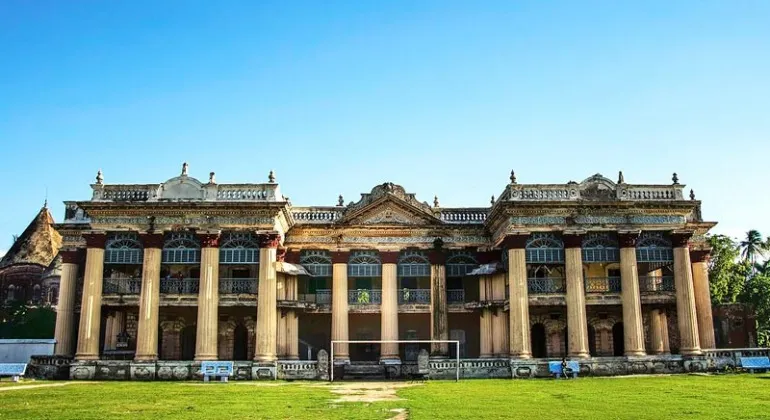
The puthia Palace in Rajshahi , also known as Puthia Rajbari, is one of the most well-known architectural landmarks in the district. The palace is associated with the historic Puthia Estate and is part of a larger heritage landscape that also includes notable temples and other historic buildings.

This site presents an interesting architectural contrast to the Bagha Mosque, where the local zamindari history is combined with later decorative styles. Visitors with a keen interest in architecture should visit both sites during their stay in Rajshahi. Allow sufficient time to travel between the two sites.

2. Barendra Research Museum

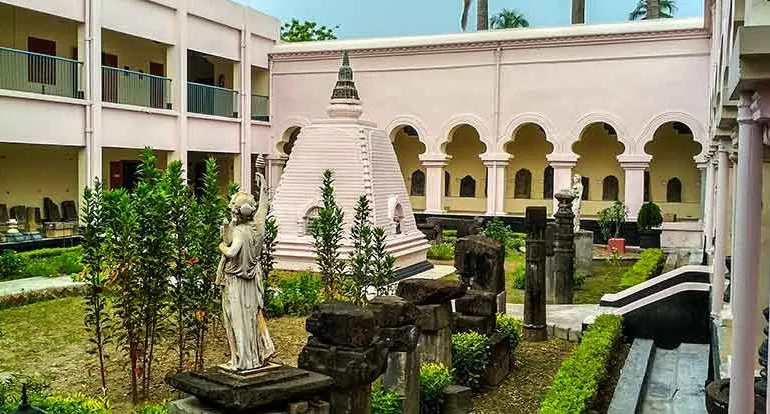
The Barendra Research Museum is one of the most important institutions in Bangladesh for archaeology, history, and regional cultural heritage. Established in 1910, the museum is particularly known for its collection of ancient and medieval Bengali documents.

Its sculptures, inscriptions, archaeological artifacts, and historical exhibits make it an excellent complementary destination for visitors interested in understanding the larger cultural context of the Bagha Mosque.

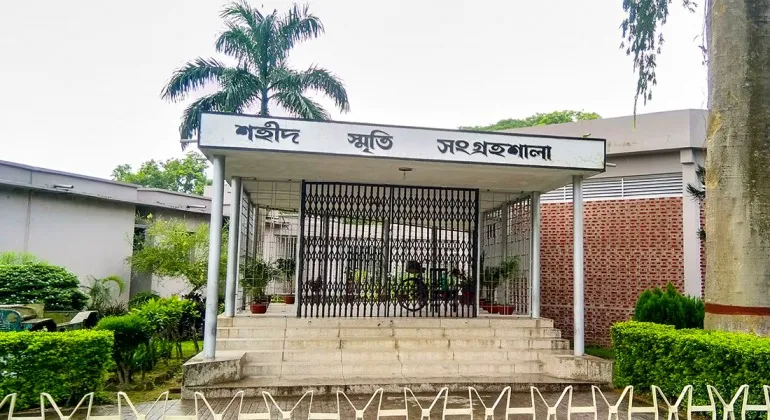
3. Ru Martyrs Memorial Museum

The Ru Shaheed Memorial Museum presents a different historical context through its connection to Rajshahi University and the commemoration of individuals associated with important events in the history of Bangladesh.

Travelers interested in educational and commemorative attractions may want to consider including the museum in their larger Rajshahi city tour plans. Check current visitor access arrangements before traveling.

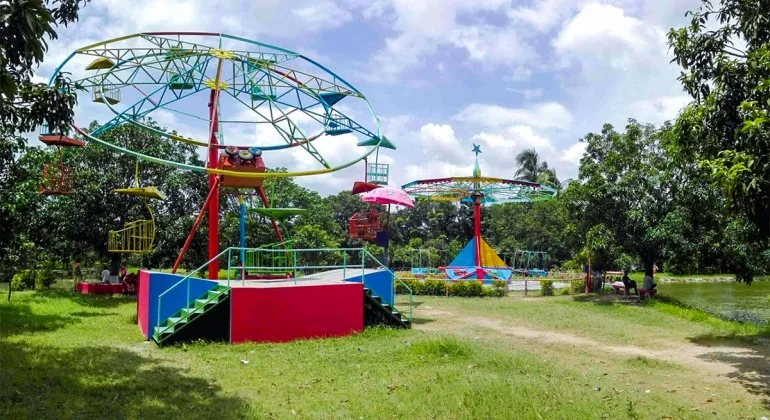
4. Children's Park Rajshahi

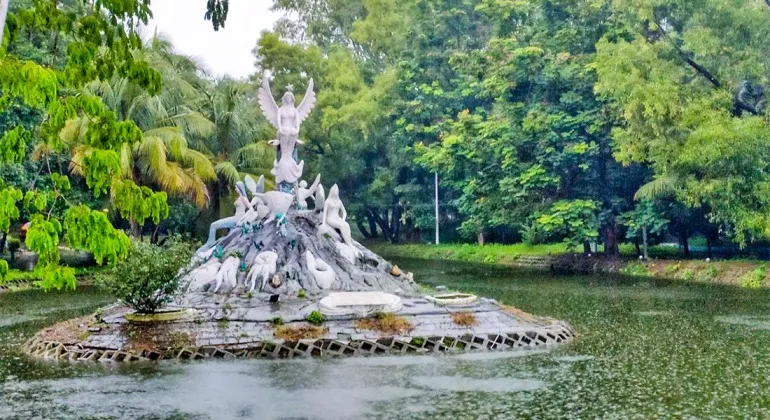
Families visiting Rajshahi district can consider Shishu Park Rajshahi for a more recreational outing . It offers a different experience from the historical surroundings of Bagha Mosque and can help diversify the family itinerary.

Check the park's current operating status, ticket prices, and available activities before traveling.

5. Rajshahi Central Zoo

Rajshahi Central Zoo is another interesting place in the district that families can visit. It is an alternative to architecture-focused tourism and can be considered when planning recreational activities in Rajshahi city.

Visitors should confirm current access, animal exhibits, and amenities, as these are subject to change.

6. Festival Park Rajshahi

For those looking to add some leisure activities to their trip, Rajshahi's Utsav Park (Utsob Park Rajshahi) may be an interesting option. After spending hours exploring historical mosques, temples, or museum collections, a trip to the park can relieve boredom.

Before visiting, you should inquire locally about its proper management system and available attractions.

7. Safina Park Rajshahi

safina Park is another recreational destination for tourists visiting Rajshahi district . It may be suitable for those who are interested in a family-oriented trip rather than just visiting historical sites.

When planning your itinerary, check its current opening hours, entry policies, activities, and transportation routes.

Recommended combinations for traditional and family trips

For history buffs: A well-planned full day or two separate days can be spent visiting Bagha Mosque, (Varendra Research Museum)Puthia Palace in Rajshahi , and the Barendra Research Museum together.

For families: Tour Bagha Mosque in the morning and reserve the afternoon or any other day for Shishu Park Rajshahi , Rajshahi Central Zoo or any other recreational place.

For cultural travelers: Explore the historic architecture of the mosque, visit the Barendra Research Museum , and (Varendra Research Museum)consider the Ru Shaheed Smriti Museum (RU Martyrs' Memorial Museum) for an itinerary that encompasses different periods of regional history .

The combination of Bagha Mosque's centuries-old Islamic architecture, exquisite terracotta artwork, ongoing religious significance, and its connection to the larger cultural landscape makes it one of the most meaningful heritage attractions to include in your Rajshahi district itinerary.

Frequently Asked Questions (FAQ)

Bagha Mosque, also known as Bagha Shahi Mosque, is located in Bagha Upazila of Rajshahi District, Bangladesh, about 37–40 km southeast of Rajshahi city. The mosque is located near Bagha city and Bagha Dighi and is connected to Rajshahi by a regional road network. Visitors from Rajshahi can use local buses departing from the Shiroil Bus Terminal area or arrange for reserved CNG autorickshaws, taxis or private cars. Locally, this destination is commonly known as Bagha Shahi Mosque or Bagha Mosque.

Explore The Area

Top Attractions & Places to Visit in Rajshahi

Discover more heritage, nature, and must-visit spots across Rajshahi.

View all in Rajshahi

Varendra Research Museum

The Barendra Research Museum, also known as the Barendra Museum or Barendra Museum , is one of the most important archae...

Shafayet Al-Anik

Puthia Palace Rajshahi

Puthia Rajbari , also known as Puthia Palace or Puthia Rajbari, is one of the most notable historical attractions in Raj...

Shafayet Al-Anik

Children's Park Rajshahi

Shishu Park Rajshahi, officially known as Shaheed Zia Shishu Park or Shaheed Zia Children's Park, is one of the most wel...

Shafayet Al-Anik

Rajshahi Central Zoo, Rajshahi, Bangladesh

Rajshahi Central Zoo, commonly known as Rajshahi Central Park and Zoo and connected to Shaheed AHM Kamaruzzaman Central ...

Shafayet Al-Anik

Safina Park Rajshahi

Safina Park and Resort is a family entertainment center located in Digram Khejurtala, Mohanpur Union, Godagari Upazila, ...

Shafayet Al-Anik

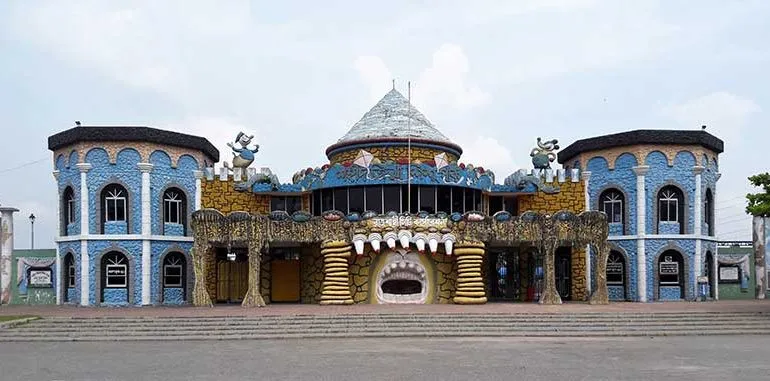
Utsob Park Rajshahi

Utsob Park, also spelled as Utsob Park, is a privately-owned recreation center located in Bagha Upazila of Rajshahi Dist...

Shafayet Al-Anik

RU Martyrs' Memorial Museum

Rajshahi University Martyrs' Memorial Museum , also known as Rajshahi University Martyrs' Memorial Museum , is one of th...

Shafayet Al-Anik

logo ColoZai

ColoZai is a trusted travel guide and destination explorer platform in Bangladesh. We are making travel simple, authentic, and accessible for everyone.

Need Help ?

We are Always here for you! Knock us on Whatsapp (10AM - 10PM) or Email us.