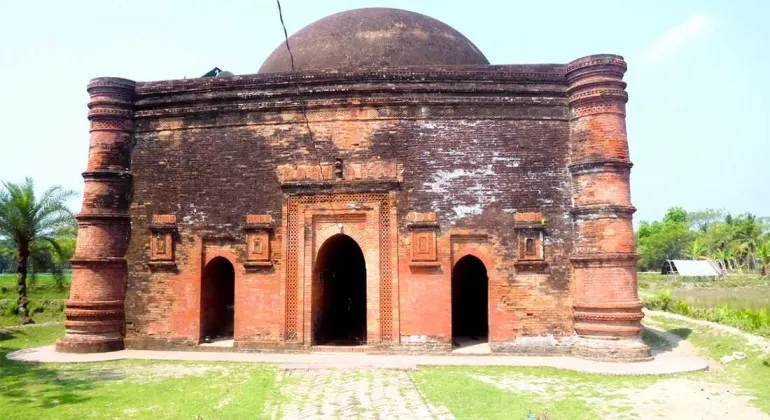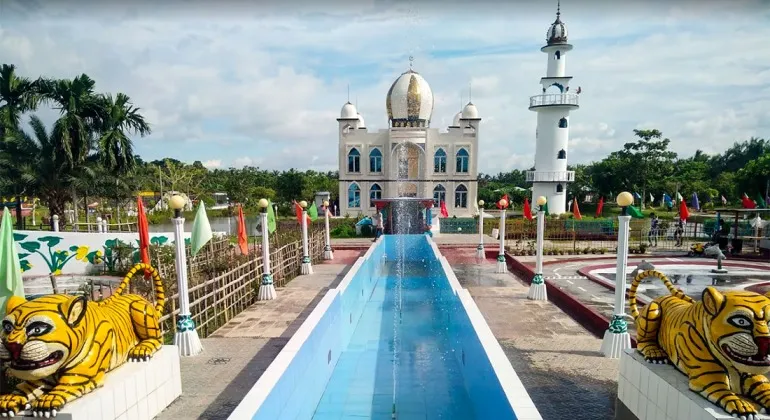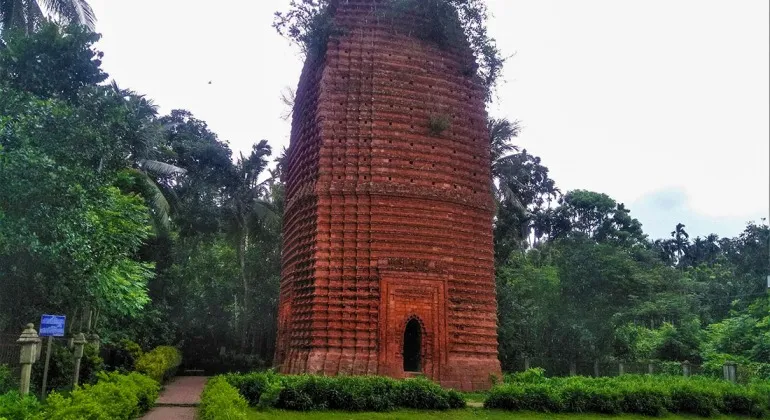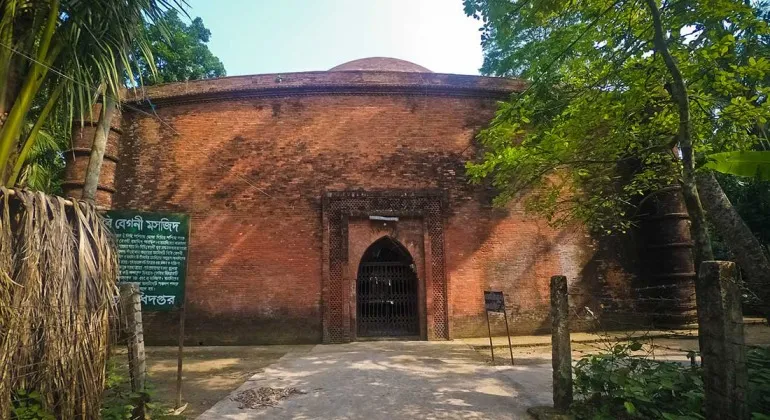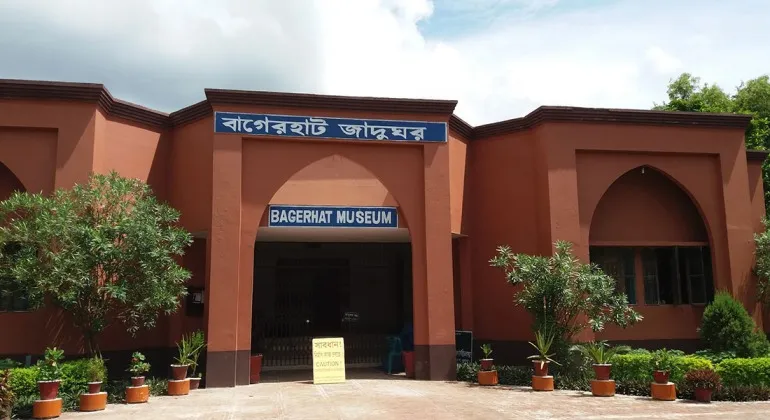
Bagerhat Museum

Bagerhat Museum

Bagerhat
·

18 October 2026

Travel Overview & Quick Facts

Directions
Location
Bagerhat
Admission / Entry Fee
According to the price list published by the Bangladesh Department of Archaeology, the entry fee for adults is 30 dirhams, for secondary school students it is 10 dirhams and for children below 5 years of age it is free. The entry fee for visitors from SAARC countries is 200 dirhams and for visitors from other countries it is 500 dirhams. MyGov e-ticketing has been launched for Bagerhat Museum and Shat Gombuj Mosque Complex in January 2026. Please check the current price, ticket coverage and whether there are any discounts before visiting.
Best Time to Visit
Open all year round, but October to March is ideal for visiting the museum and nearby heritage sites.
Opening Hours
Monday 2:30 PM - 6:00 PM; Tuesday - Thursday 10:00 AM - 1:00 PM and 2:00 PM - 6:00 PM; Friday 10:00 AM - 12:30 PM and 2:00 PM - 6:00 PM; Saturday 10:00 AM - 1:00 PM and 2:00 PM - 6:00 PM; Closed on Sunday. This schedule is listed on Google Maps; the Department of Archaeology also publishes seasonal schedules, so be sure to check before visiting.
Google Rating
★ 4.4 (273 reviews)
Category / Type
Archaeological Museums, History and Cultural Heritage, UNESCO Heritage Experiences, Educational Tourism

Introduction to Bagerhat Museum

Bagerhat Museum , also known as Bagerhat Archaeological Museum, is one of the most interesting cultural centers in southwestern Bangladesh. Located on the old Rupsha Road next to the beautiful Seven Dome Mosque in Bagerhat district , the museum preserves archaeological finds, architectural fragments, historical objects and visual artifacts from the medieval city of Khalifatabad. Its intimate galleries offer a fascinating insight into the Islamic heritage of Bengal and the extraordinary civilization that flourished here in the 15th century.

The museum is located within the historic grounds of the UNESCO-listed historic mosque city of Bagerhat , which was internationally recognized in 1985 for its outstanding architectural and cultural significance. This ancient town is closely associated with the influential Sufi figure and administrator Khan Jahan Ali, who built a network of mosques, streets, reservoirs, and various public structures. Rather than presenting history solely through monuments, the Bagerhat Museum highlights the past through archaeological artifacts, architectural details, photographs, inscriptions, pottery, and other objects related to the daily life of medieval Bengal.

One of the museum’s most exceptional exhibits is the preserved remains of a crocodile traditionally associated with the historic pond near the Khan Jahan Ali Shrine . The exhibition connects the archaeological heritage of the region with the legends and local traditions that continue to shape Bagerhat’s cultural identity today. Visitors can also explore materials related to the distinctive brick mosques that define this World Heritage Site.

Although smaller in size than the major national museums of Bangladesh, the Bagerhat Museum offers a unique and meaningful experience for history buffs, students, families, architecture enthusiasts, and international tourists. Most visitors spend about 30-60 minutes exploring the exhibits here , making it an excellent starting point for an extensive journey through Bagerhat's surviving medieval architecture.
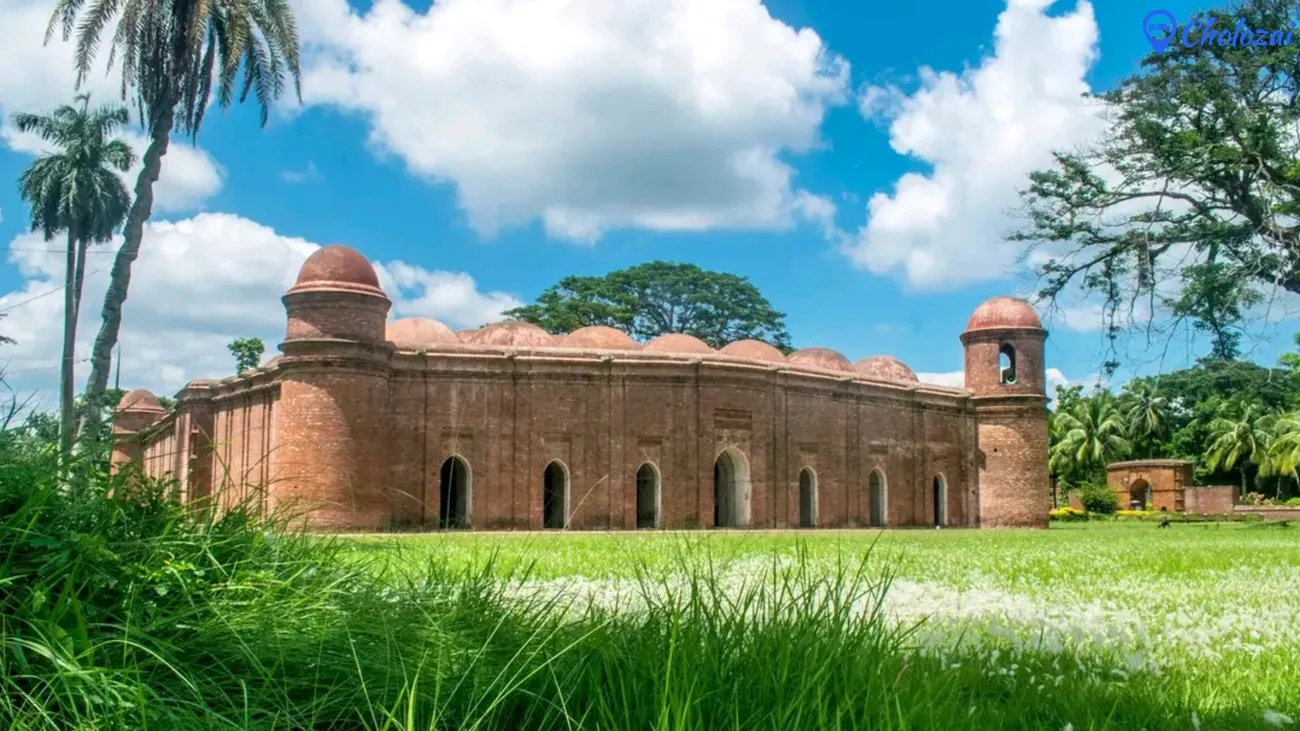

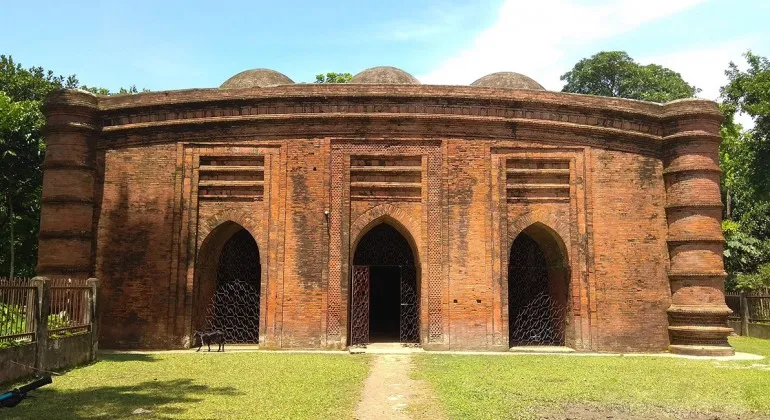
Bagerhat Museum and the history of the ancient city of Khalifatabad

The story of Bagerhat Museum begins centuries before the construction of its modern galleries. In the 15th century, the area developed into an important settlement called Khalifatabad , associated with the activities of the Bengal Sultanate and Khan Jahan Ali . The settlement became distinctive for its towering mosques, well-planned reservoirs, roads, bridges, and buildings constructed with locally sourced materials.

Although many buildings have fallen into disrepair over the centuries, archaeological remains continue to reveal detailed information about the religious, architectural, and social history of the settlement. The exceptional importance of Bagerhat's medieval architecture eventually encouraged a concerted conservation initiative involving the Bangladesh government and international heritage organizations.

In response to an international call for the preservation of the region's historical heritage in 1973, conservation and rehabilitation efforts led to the foundation of a specialized local museum. According to official historical accounts, the museum building was spread over an area of ​​about 520 square meters. Although historical accounts differ on the exact date of the start of construction, they consistently mention September 2001 as the date when the Bagerhat Museum opened to the public.

The museum was established to preserve, interpret and display archaeological artifacts related to the historic mosque city of Bagerhat. Its establishment complements the conservation of the surrounding World Heritage monuments, enabling visitors to understand the buildings through the surviving architecture and historical evidence recovered from the area.

Why is Caliphate important?

Khalifatabad is a remarkable example of medieval urban development in the Bengal Delta. Its architectural heritage combines Islamic building principles with local materials and techniques adapted to environmental conditions. The extensive use of brick, distinctive domes, curved cornices, ornate terracotta work, and large reservoirs reflect technological innovation and a keen understanding of the surrounding landscape.

The museum's archaeological collections help to explain this larger settlement, rather than treating individual buildings as isolated attractions. After learning about the historical context, travelers can more deeply appreciate the architectural relationships between the Nine Domes Mosque and other nearby monuments.


Museum architecture and exhibition galleries

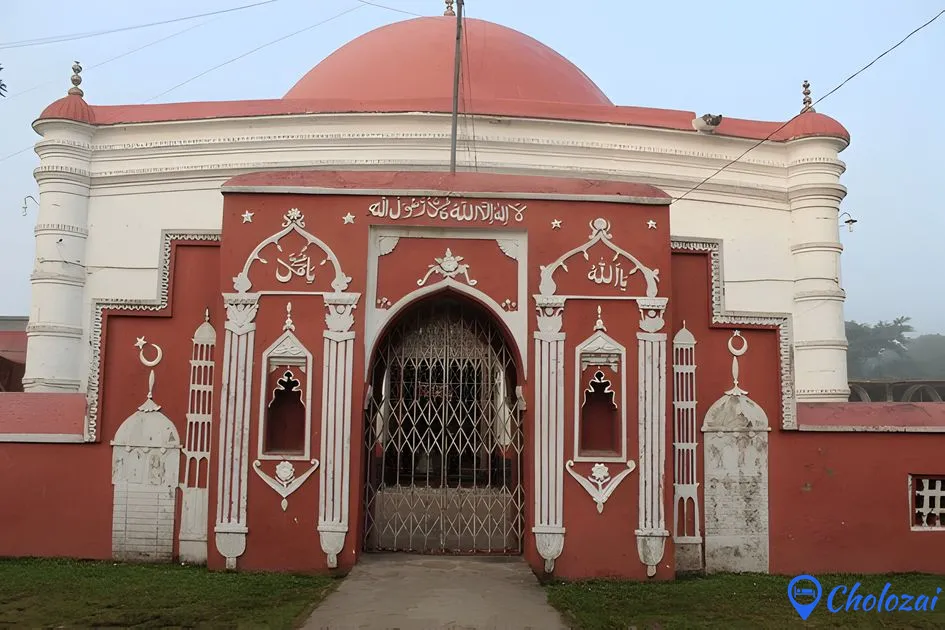
The Bagerhat Museum is housed in a simple, purpose-built building, designed to complement the Islamic architectural identity of the surrounding heritage area. Its reddish terracotta exterior, arched entrance, and restrained decorative features visually connect this modern institution to Bagerhat's famous medieval brick architecture.

The south-facing building houses three exhibition galleries , which bring together archaeological artifacts, historical photographs, architectural fragments, and interpretive exhibits. Although individual exhibition materials may change due to conservation, relocation, or curatorial updates, the museum's main focus remains the archaeology and architectural heritage of historic Bagerhat.

Archaeological objects and historical collections

  • Terracotta plaques and decorated bricks: Decorative objects that are a testament to the artistic craftsmanship, design, and architectural techniques of the region's historic buildings.
  • Inscriptions and architectural fragments: Materials that help visitors understand the historical architectural style, monumental heritage, and cultural significance of inscriptions.
  • Pottery and household utensils: objects used in everyday life that provide insight into the activities and material culture of past populations.
  • Coins and small antiquities: Objects related to the historical economy, social life, and archaeological records of the region.
  • Photographs and architectural images: Images of notable mosques, monuments, and archaeological sites in Bagerhat and other places in Bangladesh.
  • Historical maps and interpretive materials: Exhibits that help explain the location, development, and larger significance of the ancient settlement.

Historic crocodile exhibition

One of the museum's most well-known attractions is a preserved crocodile specimen, which is associated by local tradition with the pond next to the shrine of Khan Jahan Ali. Crocodiles have long been a part of the folklore surrounding this religious site. The museum's exhibit is usually described as a preserved crocodile skin or reconstruction, rather than a fully intact mummy of the animal. Its historical and cultural significance lies in the relationship between the shrine, local legend, and the community's enduring memory of the animal.

Visitors interested in the story can continue their exploration at khan Jahan Ali Khanjeli Dighi, a historic reservoir connected to a nearby shrine .


Things to see and do at Bagerhat Museum

Although small in size, the Bagerhat Museum offers several valuable experiences, especially for travelers who want to understand the historical significance of the surrounding World Heritage Site.

Explore the archaeological galleries

Start by examining the museum's exhibits of inscriptions, terracotta decorations, pottery, coins, architectural fragments, and historical objects. Rather than rushing through the exhibits, notice how each object relates to the medieval architecture outside. This approach makes the museum particularly valuable for getting acquainted with Bagerhat's architectural heritage.

Discover the legacy of Khan Jahan Ali

Learn about the historical figures associated with the establishment and development of the Caliphate. The museum's interpretations and archaeological materials help visitors connect Khan Jahan Ali's legacy with the construction of mosques, public infrastructure, and large freshwater reservoirs. Take the experience further by visiting the Khan Jahan Ali Shrine, an important spiritual and historical destination in the district.

Examine traditional Bengali architecture

Observe the decorative designs, intricate brickwork details, and architectural styles in the museum's collection. These elements provide the necessary context to understand the nearby Singair Mosque , chunakhola Mosque , and other historical structures.

Watch the crocodile exhibit

The preserved crocodile exhibit is particularly memorable for families and visitors interested in local folklore, showcasing how legends, religious traditions, and natural history are intertwined with the cultural life of Bagerhat.

Enjoy heritage photography

The museum's exterior architecture, ornate entrance, and historic surroundings make for interesting photo opportunities. Ask museum staff before taking photos inside the exhibition rooms, as regulations may vary for each collection and exhibition.

Connect the museum to the Sixty Dome Mosque

After visiting the museum, visit the adjacent Sixty Dome Mosque , one of the most important medieval architectural monuments in Bangladesh. After examining the historical materials inside the museum, the surviving architectural style of the mosque provides a deeper understanding of the region's heritage.


Ticket prices, opening hours and entry rules

Bagerhat Museum is a government archaeological attraction and admission is free for general visitors . The Department of Archaeology issues different categories of tickets for Bangladeshi residents, students, children, visitors from SAARC countries, and other international travelers.

Published museum admission prices

Inspectorate Department Published admission fee
Bangladeshi adult visitors 30 taka per person
Secondary school students ৳10 per person
Children under 5 years old Entry is free.
Foreign visitors from SAARC countries ৳200 per person
Foreign visitors from other countries 500 taka per person

Important: This information is taken from the published admission price list of the Department of Archaeology and should be confirmed before travelling. Older online guides sometimes mention lower prices, so they may not reflect the current applicable prices. The museum and the Sixty Dome Mosque are operated under the same archaeological visitor complex; ask at the ticket counter if your admission price applies to both attractions.

Digital ticketing

In January 2026, the Department of Archaeology of Bangladesh launched MyGov e-Ticketing for the Shat Gombuj Mosque Archaeological Complex and the adjacent Bagerhat Museum . The system is designed to allow visitors to purchase tickets digitally and gain entry through QR-code verification. Visitors should check the current institutional booking process and ticket availability before relying on online entry.

Visiting times listed on Google Maps

Day Listed opening times
Monday 02:30 PM – 06:00 PM
Tuesday 10:00 AM – 1:00 PM; 2:00 PM – 6:00 PM
Wednesday 10:00 AM – 1:00 PM; 2:00 PM – 6:00 PM
Thursday 10:00 AM – 1:00 PM; 2:00 PM – 6:00 PM
Friday 10:00 AM – 12:30 PM; 2:00 PM – 6:00 PM
Saturday 10:00 AM – 1:00 PM; 2:00 PM – 6:00 PM
Sunday Closed

Seasonal Hours Notice: The Department of Archaeology publishes seasonal hours separately, which are generally from 9:00 AM to 5:00 PM during October–March and from 10:00 AM to 6:00 PM during April–September. During this period, Monday hours are shortened, there is a lunch break, and Sundays are closed. The published Friday break times also vary between different sources. Therefore, the hours listed on Google Maps above should not be considered as a guarantee of entry. Please confirm the actual hours with the museum authorities, especially during the month of Ramadan, religious and public holidays.

Guide for visitors

  • Keep your admit card or digital QR code handy for inspection.
  • Do not touch archaeological objects, inscriptions, sculptures, or exhibition boxes.
  • Follow staff instructions regarding indoor photography and flash use.
  • Please refrain from talking loudly and behaving disorderly inside the gallery.
  • Supervise young children around fragile exhibit materials.
  • Dispose of waste responsibly and help preserve the historic environment.
  • Allow approximately 30-60 minutes to comfortably visit the museum.

Best time to visit Bagerhat Museum

Bagerhat Museum can be visited year-round, but October to March is especially popular for exploring Bagerhat's vast collection of historic mosques, shrines, and archaeological sites in one visit .

Since most of the exhibits are housed indoors, the museum is less dependent on seasonal conditions than the outdoor monuments surrounding it. Nevertheless, tourists visiting the entire heritage site may prefer to plan their trip between October and March.

Best time of day

To visit the museum and mosque together, aim to arrive at the morning opening time on a day when it is fully open. This will allow you enough time to thoroughly explore the museum's collections and explore the adjacent World Heritage Site before moving on to other destinations.

An afternoon visit can also be convenient, but visitors should be aware of the museum's lunch break and seasonal closing times. Mondays are usually open for limited hours in the afternoon, and Sundays are the weekly closing day.

Recommended visit duration

  • Short visit: 20-30 minutes for the main exhibits.
  • Typical museum visit time: 30–60 minutes for galleries and interpretation.
  • Museum and Sixty Dome Mosque: Approximately 1.5–2.5 hours depending on photography, reading, and personal interests.
  • Bagerhat Heritage Tour: Allocate half a day or a full day to visit the museums, historic mosques, Khan Jahan Ali's tomb, and nearby reservoirs.

How to reach

Bagerhat Museum is located in Sundarghona, Bagerhat Sadar, Khulna Division, Bangladesh, next to the Shat Gombuj Mosque on Old Rupsha Road. The museum can be reached by road from Dhaka, Khulna, and Bagerhat cities. It is also possible to reach this district by a combination of rail, air, and local road transport.

By bus from Dhaka

  1. Start your journey from any major intercity bus terminal in Dhaka, usually Sayedabad, or any other departure point specified by your chosen operator.
  2. Book a bus towards Bagerhat via Padma Bridge and southwest Bangladesh.
  3. This journey can take approximately 5-8 hours, depending on the route, road conditions, and breaks.
  4. Budget approximately ৳650–৳1,200 for a standard non-AC bus seat, while premium or air-conditioned services may cost more. These are estimates for the plan, not verified current fares from the operator.
  5. Upon reaching Bagerhat town, hire a local CNG autorickshaw, battery-powered autorickshaw, or any other vehicle to head towards the Shat Gombuj Mosque Archaeological Complex.
  6. Instead of dropping you off at any other museum or monument, ask to be dropped off at the entrance of Bagerhat Museum, that is, next to the Sixty Dome Mosque.

Direct bus departure times, actual fares and journey times depend on the operator and travel dates. Please confirm your destination and current route before purchasing a ticket.

By train from Dhaka

  1. Go to Kamalapur Railway Station in Dhaka or any other station that has suitable intercity trains to Khulna.
  2. Book train tickets for Khulna Railway Station . Train services like Sundarban Express and Chitra Express have historically connected Dhaka and Khulna; check current departure points and schedules with Bangladesh Railway.
  3. It may take approximately 4-8 hours depending on the service selected and schedule.
  4. Go to any bus terminal from Khulna to Bagerhat, such as the Sonadanga area.
  5. Take a local bus to Bagerhat or arrange your own vehicle. The journey will take approximately 1 to 1.5 hours, depending on the road and traffic.
  6. Upon reaching Bagerhat, take a local auto rickshaw to the museum located next to the Sixty Dome Mosque.

For budgeting, published travel guides list the fare per seat for local buses between Khulna and Bagerhat at approximately 100-150 taka. Train tickets and premium transport fares vary by class and date.

By air

There is no regular commercial passenger airport serving the museum in Bagerhat. Travelers originating from elsewhere in Bangladesh can check flights at Jessore Airport , subject to actual operating schedules and availability . From Jessore, proceed by road through the Khulna region to Bagerhat. Depending on the vehicles, roads, and traffic congestion, the next road connection may take about 2-3 hours or more. For travelers who are already in Dhaka, it may be more convenient to travel by direct road or train rather than an indirect flight connection.

From Bagerhat District Headquarters

The museum is located outside the main commercial center of Bagerhat city, near the Shat Gombuj Mosque archaeological site. Depending on your exact location, this route is usually a short local road trip of about 4-6 kilometers.

  • Battery-powered autorickshaws: Approximately 20–60 taka per person on available shared routes, or negotiable fare for private trips.
  • CNG Auto Rickshaw: Around 150–300 taka for a short distance journey, depending on the pickup point and bargaining.
  • Rickshaw: Approximately 80–200 taka for local travel, depending on distance and availability.
  • Private car or rented microbus: This is suitable for families and groups who plan to stop at multiple archaeological sites. Prices depend on the itinerary, duration, fuel arrangements, and operator.

All local transportation fares are an estimated travel budget, not a fixed or publicly published fare. Please confirm the total fare before getting in the vehicle, especially if renting a car privately.

From Khulna city

Khulna is a convenient gateway for tourists visiting Bagerhat. One can travel to Bagerhat by local buses, rented cars or CNG-powered vehicles. The journey by road usually takes about 1 to 1.5 hours, although the time may vary depending on traffic congestion and the starting point of the journey. Those who have their own transport can arrange to visit the Shat Gombuj Mosque complex directly without going to the Bagerhat city center first.

Nearby attractions for directions

  • Sixty Dome Mosque – The main tourist attraction located right next to the museum.
  • Singair Mosque – Another archaeological site near the complex.
  • Bibi Begni Mosque – A nearby medieval mosque.
  • Old Rupsha Road – local road corresponding to the museum's address.

When using digital navigation, select the specific listing for Bagerhat Museum located on Old Rupsa Bagerhat Road and see that the destination is located next to the Sixty Dome Mosque.

Bagerhat Museum

GPS: 22.6735738, 89.7426538
Get Directions

Where to eat

The main food options around Bagerhat Museum are local restaurants, roadside food stalls, tea shops, and small establishments serving traditional Bangladeshi cuisine. Tourists looking for more options for lunch and dinner can head to Bagerhat town after visiting the museum and mosque.

Local restaurants and traditional food

Published Bagerhat travel guides mention restaurants and hotels like Radhuni and Dhanshiri as local food options . It is worth checking their current operating status, exact location, and what is available on the menu before making a special trip.

Common dishes in the larger district include rice, fish curry, lentils, various vegetable dishes, chicken or beef dishes, and regional seafood. Due to Bagerhat's location in the southwestern part of Bangladesh, freshwater fish and shrimp-based dishes are particularly relevant to the local cuisine here.

What to try

  • Coconut Shrimp Curry: A regional dish made with a combination of shrimp and coconut spices.
  • Fish curry with rice: A familiar Bangladeshi lunch made with locally sourced fish.
  • Stuffed and vegetable dishes: Stuffed or spiced vegetables that are traditionally served with rice.
  • Pulses and seasonal vegetables: A convenient option for guests who prefer simple meals.
  • Tea and traditional snacks: Usually available at small food shops and roadside stalls.

Estimated food budget

As a general budget for travel planning, budget approximately 150–350 kyats per person for a simple local meal and 350–700 or more for a larger meal with fish, shrimp, or multiple courses. Prices vary considerably based on the restaurant, ingredients, and amount of food; these estimates are not verified menu prices.

Carry drinking water with you when visiting archaeological sites, especially if you plan to walk between multiple monuments. Visitors with dietary restrictions should be sure to check ingredients and food preparation methods before ordering.


Where to stay?

Visitors to Bagerhat Museum can stay in Bagerhat city, nearby Khulna city, or selected accommodation centers in the greater Bagerhat district. The best option will depend on whether the tour is focused solely on the heritage sites or includes additional destinations such as Mongla and the Sundarbans region.

Accommodation in Bagerhat city

Bagerhat town has small local hotels and residential guesthouses, which are suitable for travelers looking for overnight stays close to the historical attractions of the district. Published travel guides mention names such as Hotel Momtaz, Hotel Mohana, Hotel Al-Amin and other residential hotels. These should be considered as potential options rather than verified recommendations for current accommodation; check recent reviews, availability, exact location and contact details before booking.

Tourists who prefer to stay close to archaeological sites can also inquire about government or institutional guesthouse facilities, where applicable. Such accommodations may have eligibility rules, prior approval requirements, or limited access to the public.

Accommodation in Khulna city

Khulna generally offers a variety of accommodation options, including business hotels, family-friendly accommodations, and budget accommodations. It can be a convenient hub for those who want to explore Bagerhat on a day trip, as well as more dining options, transport connections, and urban amenities.

Estimated housing budget

Type of accommodation Estimated budget per night
Typical local guesthouse Approximately 800–1,500 taka
Standard budget hotel Approximately ৳1,500–৳3,000
Medium-quality accommodation Approximately ৳3,000–৳5,500
High-class hotels in Khulna ৳5,500 or more per property

These are approximate planning ranges, not direct price lists for any specific property. Before reserving, please ensure air conditioning, en-suite bathrooms, parking, family-room availability, ID requirements and cancellation policies. Visitors travelling on public holidays should consider booking in advance.


Travel tips, amenities and accessibility

A little advance preparation can make a visit to Bagerhat Museum more comfortable, and travelers can enjoy the surrounding historical monuments without unnecessary delays.

Practical advice for visitors

  • Check opening hours: Google Maps and government publications show different opening hours. Make sure to check for seasonal hours, lunch breaks, and holiday arrangements.
  • Sunday closure plan: Sunday is usually the museum's weekly closing day.
  • Have payment options with you: Even if you plan to use the MyGov digital ticketing system, keep some cash on hand.
  • Bring identification: Visitors entering with student or other concessionary benefits may be asked to show appropriate identification.
  • Follow the exhibition rules: Do not touch artifacts or attempt to remove any objects from the archaeological site.
  • Know the photography restrictions: It's usually easy to arrange for photography outside, but you should confirm the rules and regulations inside with the staff.
  • Wear comfortable shoes: Touring heritage sites may involve walking on brick paths, uneven terrain, and outdoor archaeological sites.
  • Keep the area clean: Avoid littering or damaging historic structures and landscapes.

Convenience and accessibility

According to the visitor listings obtained from Google, Bagerhat Museum has restroom facilities and its entrance, parking area, and restrooms are accessible to wheelchair users. However, these listed features do not guarantee full accessibility of every gallery, walkway, or connecting heritage path. Visitors with special mobility needs should contact the museum authorities before visiting to ensure realistic accessibility arrangements.

The museum is suitable for school groups, families, archaeology enthusiasts, and travelers looking for an educational experience. Its traditional exhibition-based presentation should not be confused with a large interactive science museum or entertainment center.

Responsible heritage tourism

The artifacts displayed at the Bagerhat Museum are part of Bangladesh's national cultural heritage. Visitors can help preserve the museum by following the instructions of staff, avoiding flash photography where prohibited, keeping children away from fragile artifacts, and respecting the religious functions of nearby historic mosques.


Nearby attractions

One of the main advantages of visiting the Bagerhat Museum is its location in one of the richest archaeological sites in Bangladesh. The neighboring Bagerhat district is home to historic mosques, religious monuments, reservoirs, and many other cultural and natural attractions. The following destinations can help travelers create a fruitful heritage itinerary or extend their stay in southwestern Bangladesh.

Historic mosques and archaeological sites

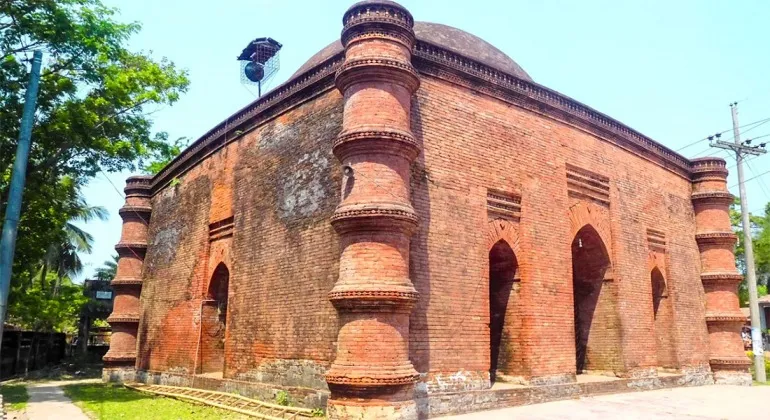
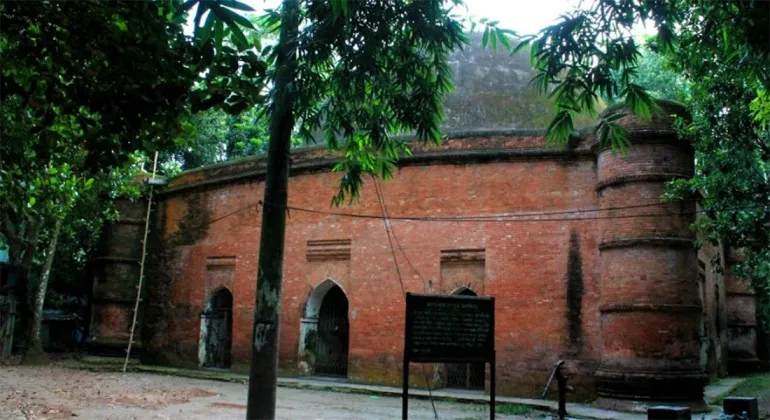
  • Sixty-Domed Mosque : Located right next to the museum, this 15th-century relic mosque is one of the main landmarks of the UNESCO-listed heritage site of Bagerhat. Its rows of stone pillars, numerous domes, and distinctive brick architecture make it an essential companion to a visit to the museum.
  • Singair Mosque : A small, single-domed historic mosque located near the Sixty Dome Mosque complex, it provides a valuable opportunity for comparison with the larger religious buildings in the region.
  • Bibi Begni Mosque : An important medieval brick mosque, which displays the characteristic form and craftsmanship of Bagerhat's historical architectural heritage.
  • Chunakhola Mosque : A small historic mosque known for its traditional brick construction style and architectural ornamentation.
  • Ranvijaypur Mosque : A historically important mosque, known for its exceptionally large single dome, and for this reason it is particularly attractive to architecture lovers.
  • Nine-Domed Mosque : A medieval mosque that is distinctive for its nine-domed roof arrangement and its connection to the larger architectural heritage of the Caliphate.
  • Kodla Math : A unique historical religious monument that highlights a different dimension of Bagerhat's architectural and cultural heritage.

Religious heritage and historical reservoirs

  • Khan Jahan Ali Shrine : This venerable tomb of a historical figure closely associated with the establishment and development of the Caliphate is one of the most important destinations in Bagerhat due to its cultural significance.
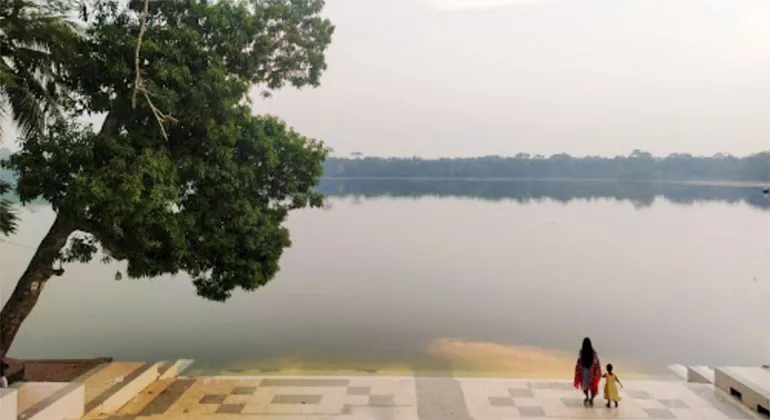
  • khan Jahan Ali Khanjeli Dighi : A historical reservoir associated with the traditions related to Khan Jahan Ali and crocodiles, which are represented in the museum's famous preserved specimen.

Nature, recreation and extended district travel

  • Chandra Mahal Eco Park : A leisure and entertainment center to relieve boredom after visiting the archaeological sites of Bagerhat.
  • Mongla Port : One of the major seaports in Bangladesh and an important gateway to the Sundarbans region. Visiting here requires separate transport plans and access to the operational areas of the port may be limited.
  • Dublar Char : A remote coastal island associated with the Sundarbans, seasonal fishing and traditional cultural gatherings. Access usually requires an organized boat trip and relevant permits.
  • Kochikhali Beach : A remote coastal destination located within the greater Sundarbans region, it is more suitable for a well-planned trip rather than a simple short trip from the museum.

Suggested one-day itinerary for Bagerhat heritage tour

  1. Morning: Start your journey from Bagerhat Museum to learn about the history of Khalifatabad and see its archaeological collections.
  2. Late afternoon: Explore the nearby Sixty Dome Mosque and the surrounding heritage sites. (Seven Dome Mosque)
  3. Noon: Visit Singair Mosque and Bibi Begni Mosque , plus leave time for lunch and local transportation.
  4. Afternoon: Travel to Khan Jahan Ali Shrine and the adjacent historic pond . (Khan Jahan Ali Khanjeli Dighi Bagerhat)
  5. Late afternoon: If you have time , you can visit the Nine Dome Mosque or any other nearby archaeological site before returning to Bagerhat city or Khulna .

For travelers who love architecture, archaeology, and local history, the Bagerhat Museum provides an excellent base for exploring the district. Its collections transform the surrounding mosques from impressive historical buildings into meaningful evidence of a significant medieval settlement, making the museum an essential cultural destination on a well-planned Bagerhat heritage tour.

Frequently Asked Questions (FAQ)

The Bagerhat Museum is located on the Old Rupsha Bagerhat Road, next to the Shat Gombuj Mosque, in Sundar Ghona, Bagerhat Sadar, Khulna Division, Bangladesh . It is part of the UNESCO-listed Mosque City of Bagerhat's historical heritage area. Visitors can find the museum by walking towards the Shat Gombuj Mosque, which is located right next to the museum premises . The distance from the center of Bagerhat city, depending on the starting point, is about 4-6 kilometers.

Explore The Area

Top Attractions & Places to Visit in Bagerhat

Discover more heritage, nature, and must-visit spots across Bagerhat.

View all in Bagerhat

Seven Dome Mosque

The Sixty Dome Mosque , also known internationally as the Sixty Dome Mosque or Shat Gombuj Masjid , is one of the most r...

Shafayet Al-Anik

Dublar Char, Bagerhat, Bangladesh

Dublar Char, also known as Dubla Char or Dublar Char, is a remote island destination located at the southern edge of the...

Shafayet Al-Anik

Nine-domed mosque of Bagerhat

The Bagerhat Nine-Domed Mosque, also known as the Nine-Domed Mosque, is a notable example of medieval Islamic architectu...

Shafayet Al-Anik

Singair Mosque Bagerhat

Singair Mosque, also known as Singair Mosque or Singer Mosque, is a notable medieval Islamic architectural monument loca...

Shafayet Al-Anik

Ranbijoypur Mosque Bagerhat

Ranvijaypur Mosque , also known as Ranvijaypur Mosque or Ranvijaypur Mosque, is a notable historic mosque located in Bag...

Shafayet Al-Anik

Khan Jahan Ali Khanjeli Dighi Bagerhat

Khan Jahan Ali Khanjeli Dighi , also known as Khanjali Dighi and historically associated with the name Thakur Dighi, is ...

Shafayet Al-Anik

Khan Jahan Ali Shrine

Khan Jahan Ali Shrine , also known as Khan Jahan Ali's Tomb or Khan Jahan Ali Dargah, is one of the most important Islam...

Shafayet Al-Anik

Chunakhola Mosque Bagerhat

Chunakhola Mosque, also known as Chuna Khola Mosque, is a notable example of medieval Islamic architecture located in Ch...

Shafayet Al-Anik

Chandra Mahal Eco Park Bagerhat

Chandra Mahal Eco Park is a unique family entertainment center located in Ranjitpur village of Bagerhat district, Bangla...

Shafayet Al-Anik

Kodla Math Bagerhat

Kodla Math, also known as Ayodhya Math, is a notable historical monument located in Ayodhya village, Baruipara Union, Ba...

Shafayet Al-Anik

Mongla Port Bagerhat

Mongla Port in Bagerhat is one of the most important maritime gateways in Bangladesh and an attractive destination for t...

Shafayet Al-Anik

Bibi Begani Mosque Bibi Begani Mosque

Bibi Begni Mosque, also known as Bibi Begni Mosque , is a notable example of medieval Islamic architecture located in Ba...

Shafayet Al-Anik

logo ColoZai

ColoZai is a trusted travel guide and destination explorer platform in Bangladesh. We are making travel simple, authentic, and accessible for everyone.

Need Help ?

We are Always here for you! Knock us on Whatsapp (10AM - 10PM) or Email us.