There is no common direct road connection to the Amiakum Falls. Historically, travelers reached the falls via Bandarban city and Thanchi, then by river and trekking. This is only a description of the traditional route; it should not be taken as a guarantee that this journey is currently permitted.
Step 1: Travel from Dhaka to Bandarban
By bus: Direct intercity buses operate between Dhaka and Bandarban, provided the service is normal. The journey usually takes 8-10 hours, depending on traffic, departure time, and service. Fares vary by operator and seat class, so check with the bus company for the latest fares.
By train: There is no direct railway station in Bandarban. Passengers can take a train from Dhaka to Chittagong and then travel by road to Bandarban if both legs of the journey are open. Allow extra time for changing trains.
By air: If suitable services are available, fly from Dhaka to Shah Amanat International Airport in Chittagong. Arrange for road transport from the airport to Bandarban. Contact the airline directly for flight schedules and fares.
Step 2: From Bandarban city to Thanchi
The traditional road route from Bandarban city to Thanchi is about 75-80 km and usually takes 3-5 hours depending on road conditions and breaks. Passengers use local buses, reserved jeeps known as Chander Gari, and other authorized vehicles. The old fares of reserved vehicles are not reliable for current fares; check the updated fares before starting the journey.
The district and upazila administrations will not arrange for this travel until they confirm permission for tourists to travel on the scheduled date. Even if accommodation and transport are shown available online, the journey may be hampered due to road closures and security restrictions.
Step 3: Check in and confirm the approved route
Historically, trekking groups would arrange for registered guides and complete the necessary identification and registration procedures at designated checkpoints or tourist information centers. The guide would confirm the route, river conditions, overnight accommodations, and any local requirements. Follow current guidelines from authorities rather than relying on old itineraries.
Step 4: River transport and trekking
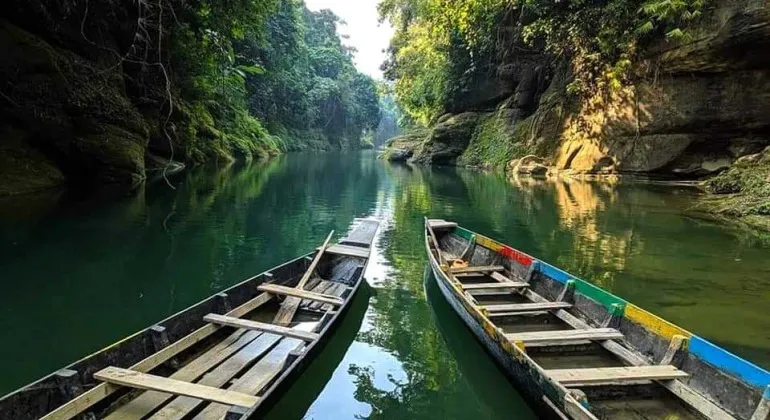
Traditional routes included a boat ride from Thanchi to Remakori, followed by a trek through remote settlements and mountainous terrain. Commonly described routes include one via Remakori and Nafakhum, and another via Padmajhiri, Thuisa Para and the Debotakhum hills. These are descriptions of historical routes, not definitive evidence of current travel.
The duration and cost of the trek depend on the approved route, river conditions, trail conditions, and arrangements made by the registered guide. Some traditional itineraries required several days and overnight stays. Never assume that a short walking itinerary from an old travel blog is applicable to current conditions.
Local transportation and rental plans
- Bandarban City: Local buses, auto-rickshaws, and CNG-powered vehicles are available for travel within the city. Confirm the fare before boarding.
- Bandarban to Thanchi: Use only road services that are legally operating under the current travel restrictions.
- Thanchi and remote hills: Boat rentals and trekking arrangements require confirmation from authorities and an authorized local guide.
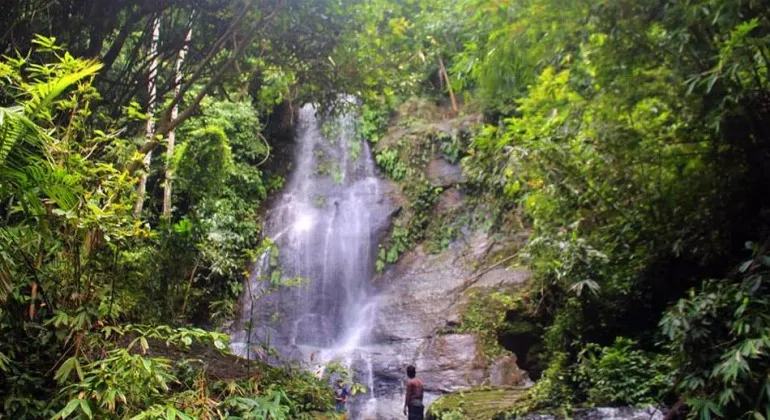
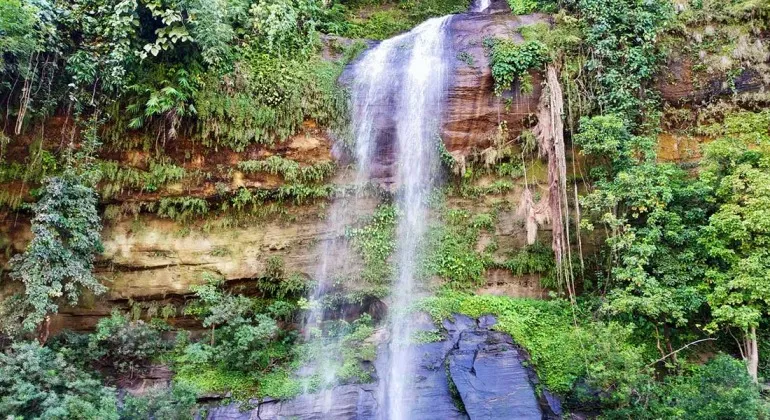
Nearby attractions: The greater Thanchi region is connected to Tindu, Remakori and Nafakhum waterfalls . Their proximity does not mean that all are open to visitors at the same time. Ensure the exact permitted boundaries before traveling.
Important reminder: From October 2026, the purportedly renewed ban on travel to Thanchi will take precedence over historical guidelines. Do not travel to Amiyakum unless the current government ban explicitly permits it.

 ColoZai