Ali Cave in Bandarban – Complete Travel Guide, Location, Trekking Route, Entry Fees and Best Time to Visit

Ali Cave in Bandarban – Complete Travel Guide, Location, Trekking Route, Entry Fees and Best Time to Visit

Bandarban
·

16 October 2026

Travel Overview & Quick Facts

Location
Bandarban
Admission / Entry Fee
Ali Caves is a natural attraction and historically entry is free. There is no verified mandatory entry ticket price available for 2026. Visitors will need to budget separately for transport, local guides and any locally applicable entry or crossing costs. A shared auto-rickshaw from Alikadam to Mangchu Pru Para can cost around 20-50 rupees per person, but reserved vehicles for shorter distances can cost more. Confirm all costs locally before starting the trek.
Best Time to Visit
October to March, especially between 8 am and 3 pm.
Opening Hours
There are no verified official opening hours on Google Maps. Visiting during the day is recommended, preferably between 8:00 AM and 4:00 PM, depending on local access conditions.
Category / Type
Natural Caves, Adventure Tourism, Hiking & Trekking, Nature & Exploration

Introduction to Ali Cave in Bandarban – Complete Travel Guide, Location, Trekking Route, Entry Fees and Best Time to Visit

Ali Caves of Bandarban , locally known as Ali's Cave or Ali's Tunnel , is one of the most interesting natural sites in Alikadam Upazila of Bandarban District, Bangladesh. Hidden among forested hills, rocky riverbeds, and narrow mountain paths, this cave system offers a thrilling experience for travelers who love to explore new destinations off the beaten path.

Ali Caves, located about 3 km from Alikadam town, near the Matamuhuri-Toain waterway and Mangchu Pru Para, is known for its naturally formed rock chambers, dark passages and unique underground environment. The attraction is named after the nearby Alir Hills, locally known as Alir Pahar. Unlike a developed tourist park, this destination offers a relatively remote outdoor experience, requiring walking, climbing and navigating natural terrain.

Ali Caves is usually described as a collection of three caves. Visitors can explore its various paths, see extraordinary rock formations, and experience the beautiful transition from the surrounding green mountains to the darkness inside the cave. Some of the paths are so narrow that visitors may have to crouch or crawl. Bats also live in some parts of this cave system, so it is important to explore quietly and not disturb the wildlife.

For tourists planning an adventure-focused trip to Bandarban, Ali Caves offers a different experience from the scenic mountain destinations like Nilgiri Bandarban and Nilachal Bandarban . Here, visitors actively explore the terrain through various activities such as village tours, waterfall crossings, mountainside trekking and cave exploration, rather than just enjoying the mountain views.

Location: Alikadam Upazila, Bandarban District, Chittagong Division, Bangladesh. Nearest major center: Alikadam town. Typical visit duration: About 2-3 hours for local excursions, depending on the route, conditions, and number of caves discovered. Recommended Travelers: Adventurous travelers, nature lovers, experienced hikers, and small groups comfortable with traveling on uneven terrain.

Note on map accuracy: The exact Google Maps URL and its associated coordinates for the location have not been independently verified. Therefore, no unverified Google Maps coordinates have been assigned to this point of interest. Published travel resources provide varying approximate locations, which should not be considered as definitive Google Maps addresses.


Natural features, history and special attractions of the cave

Origin and identity of Ali Guha

Ali Caves is a naturally formed cave system associated with the hills surrounding Alikadam. Local travelogues suggest that the name comes from Ali's Hill or Ali's Hill. This attraction is also known as Ali's Tunnel, as some of its passages look like tunnels passing through the surrounding rocks.

The caves are generally described as natural pathways eroded by water and geological processes over time. However, no specific scientific geological survey is readily available to determine the exact age, formation history, or total length of any of the three caves. Therefore, visitors should separate the visible natural features of the site from unsubstantiated claims regarding its geological age.

Three natural caves

One of its main attractions is the opportunity to explore three separate cave entrances or passages in the same mountainous area. These entrances are accessed via rocky watercourses and elevated areas of the surrounding terrain. Historically, the first cave was accessed using stairs or climbing aids, but other entrances may require a bit more crawling.

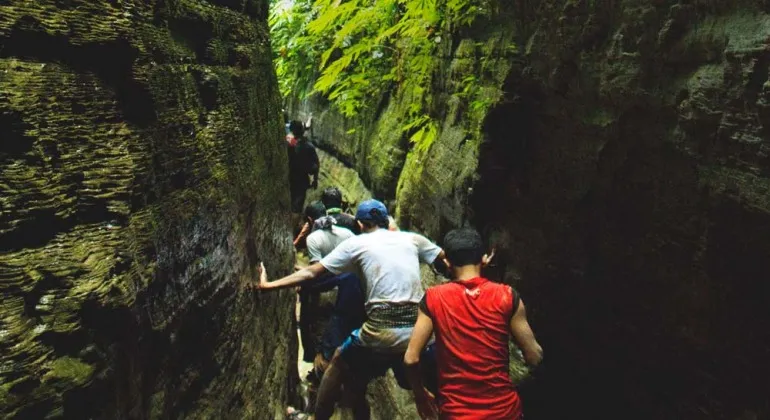
Upon entering, visitors are faced with dark rooms, rough stone surfaces, low ceilings, and narrow passages. Some passages require crouching or crawling, making the experience much more difficult than visiting a conventional attraction. The condition of ladders, steps, and access routes can change, so visitors should never assume that the previously described facilities will be safe or usable.

Dark chambers and cave wildlife

Natural light disappears quickly in many parts of Ali Cave. A reliable headlamp or flashlight is essential, and a second independent light source is strongly recommended. A mobile phone flashlight should not be the only source of light.

Bats are among the animals that have been reported to be seen inside the caves. Visitors should observe them from a distance and refrain from touching, feeding, chasing, or taking photos with direct flash. If there is a risk of disturbing bats while they are resting, avoid entering the room.

Landscape of surrounding mountains and streams

The journey to Ali Cave is an attraction in itself. Depending on the route chosen, travelers pass through local settlements, farmland, forested hills, and rocky riverbeds. The nearby Towain River is an important geographical landmark along the way.

This natural environment offers opportunities for landscape photography, short-distance hiking, and observing rural life. Travelers should be respectful of local communities, ask permission before photographing residents, and refrain from littering along rivers or trails.

What is special about Ali Guha?

  • Natural underground exploration: Experience narrow rocky paths and dark cave chambers.
  • Multiple Cave Entrances: Explore a cluster of three commonly documented caves, subject to safe access.
  • Short thrilling trek: a combination of village paths, waterfall crossings, and mountainside walks.
  • Wildlife Observation: Observe cave-dwelling bats without disturbing their habitat.
  • Photo opportunities: Take pictures of the surrounding mountains, riverbeds, cave entrances, and unique rock formations.
  • Undeveloped environment: Enjoy a natural attraction without the extensive infrastructure of a commercial tourist destination.

Things to do in Ali Cave

Explore the cave paths.

The main activity is guided exploration of the cave system. Start with the most accessible entrance and assess the situation before proceeding further. Move slowly inside the cave, check your footing, and avoid forcing your way through unfamiliar passages without a clear exit. Travelers who are claustrophobic or uncomfortable in confined spaces may want to consider exploring the cave entrance and surrounding natural scenery instead.

Enjoy a short nature walk.

The walk from Mangchu Pru Para to the cave area usually takes about 20-30 minutes, although the actual time depends on the route and conditions. This route features natural surfaces rather than any specifically maintained walking paths.

Take pictures of natural landscapes.

This area has interesting views, including rock walls, trees, winding paths, and waterfall crossings. Daylight is best for photographing the cave entrance. Photographing inside the cave requires proper low-light equipment and careful attention to the ground. Avoid using bright flashes near bats.

Explore the rural environment of Alikadam

Tourists can spend extra time exploring the natural scenery around Alikadam, including views of the Matamuhuri River and nearby mountains. Those interested in a longer adventure (Marayang Taung Bandarban) can plan a separate trip to Marayang Taung in Bandarban, a hilly destination known for its trekking opportunities.

Plan an expedition for a small group

Ali Caves is best suited to small groups with suitable footwear, lighting and an experienced local guide. Travelling with companions provides additional assistance in navigating uneven terrain or deciding whether it is safe to enter a particular route.


Entrance fees, guide fees and visiting rules

Ali Cave Entrance Fee

Historically available information: Free. Ali Cave is a natural attraction, not a conventional ticketed tourist attraction. Historical information about the cave suggests that it was open to the public without any entrance fee. However, no reliable ticket notice or list of government fees has been independently verified as of 2026. Visitors should check before visiting whether there are any local, conservation, community or crossing fees for entry.

Expenses Estimated cost Important information
Entrance to the cave Historically free Current government policy has not been independently verified.
Local shared transportation About 20-50 taka per person Depending on vehicle availability and starting location.
Reserved local auto-rickshaws Approximately 50–200 taka for short distance travel This is an indicative negotiated budget, not a verified tariff.
Local guide Locally, prices are negotiable. No reliable specific official guide rates have been verified.
Food and drinking water Approximately 150–350 taka per person Estimated plan based on purchase.
Flashlight or headlamp Bring your own. Essential for entering the dark path

Budget Tip: Travelers who are already staying in Alikadam can often arrange this trip for a relatively low cost. The biggest variable costs are private transportation and guide services. Before hiring a vehicle or guide, make sure to check the total cost, waiting time, return journey, and any other additional costs.

Important inspection rules

  • Travel during the day and leave enough time to return before sunset.
  • Please check current local access and safety guidelines before traveling.
  • Seek the help of an experienced local guide, especially when traveling on unfamiliar routes.
  • Carry at least two separate light sources for each visitor.
  • Wear shoes with good grip and avoid loose sandals.
  • Do not enter flooded paths or attempt to cross streams if water conditions are unfavorable.
  • Do not touch or disturb bats and other wildlife.
  • Never remove stones, damage the cave surface, or leave trash.
  • Avoid entering alone or getting separated from your group.
  • Be respectful of the customs, privacy, and property of nearby communities.

Best time to visit Ali Cave

October to March is generally the best time to plan an Ali Cave expedition . This is the preferred time for hiking and exploring Bandarban's natural attractions, although the actual conditions of trails and waterways should always be checked locally.

For a cave tour, start your journey in the morning, ideally between 8 and 10 a.m. This will give you enough time to reach Manchu Pru Para, cross the waterfall (permit required), explore the accessible parts of the cave, and return to Alikadam well before sunset.

The caves are dark at any time of day, so daylight does not eliminate the need for a headlamp. It is generally recommended to visit in the morning to ensure safe passage through the outer route and to facilitate return transportation.

Travelers should refrain from entering during times of rising river levels, flooding, unstable slopes, or government restrictions. Conditions in the surrounding mountains can change rapidly, and route safety is more important than following a specific itinerary.


How to reach

Ali Guha is located near Alikadam upazila in Bandarban district. The most convenient route for many travelers from Dhaka is via Chakaria, from there take local transport to Alikadam and a short journey to Mangchu Pru Para. Another option is to go via Bandarban district headquarters, although that route may involve a long trek on hilly roads.

Option 1: Direct bus from Dhaka to Ali Guha

  1. Dhaka to Alikadam: Look for direct coaches to Alikadam. Although travel guides mention operators like Hanif Enterprises and Shyamoli NR Travels, it is advisable to reconfirm the current route, departure times and services before booking.
  2. Estimated fare: Approximately ৳1,100 or more per person, depending on operator, seat category, and current tariff.
  3. Arrival: Get off at Alikadam bus stand or any other convenient stop in Alikadam town.
  4. Local transportation: Hire a simple bike, auto-rickshaw, or any other locally available vehicle to get to the Mangchu Pru neighborhood, located about 3 kilometers away.
  5. Final stage: With a guide, head towards the cave entrances, passing local waterfalls and mountain slopes.

When there is a suitable direct bus service, this option can reduce the number of bus changes.

Option 2: Dhaka to Chakaria to Alikadam

  1. Board a bus from Dhaka to Cox's Bazar that allows passengers to get off at Chakaria.
  2. Get off at Chakaria Bazar or the relevant bus terminal.
  3. To get to Alikadam, take a local bus, shared jeep, or reserved moon car.
  4. Continue from Alikadam to Mangchu Pru Para using local transport.
  5. Cross the Towain Stream only at safe and authorized points, then continue along the path leading to Ali Cave.

Estimated fare: Depending on the coach class, it can cost around 950–2,200 taka to travel from Dhaka to Chakri. According to the published travel guide, the fare for a shared jeep from Chakri to Alikadam is around 70 taka per person and the one-way fare for a reserved jeep is around 1,200–1,500 taka. These are published estimates, not confirmed fares as of October 2026.

It usually takes about one and a half to two hours to travel from Jharkhand to Alikadam by road, depending on traffic and road conditions. It is advisable to check the local bus timetable, as bus services may be suspended after evening.

Option 3: Dhaka to Chittagong by train

  1. Take an intercity train from Dhaka to Chittagong, subject to Bangladesh Railway's schedule and seat availability.
  2. Travel by road towards Chakaria using the appropriate bus service from Chittagong.
  3. From Chakaria, transfer to a local bus or jeep heading to Alikadam.
  4. From Alikadam town, proceed to Mangchu Pru Para and walk towards the caves.

Train fares vary according to service and seat class. Check the official booking platform of Bangladesh Railway for current fares and departure times. There is no railway station in Ali Guha or Alikadam town, so the final leg of the journey has to be made by road.

Option 4: Travel by air

There is no commercial airport near Ali Guha. Passengers arriving from Dhaka can consider flights to Cox's Bazar or Chittagong, depending on flight schedules. From both airports, one has to proceed by road towards Chakaria and Alikadam. Even if traveling by air, there is no need to travel on local transport and walk to the last leg.

Option 5: From Bandarban District Headquarters

Tourists already staying in Bandarban city can arrange a suitable jeep, moon car or private vehicle to travel to Alikadam using the available mountain road connections. The journey is usually described as being around 70 kilometres, although the exact distance depends on the route and starting point. Travel time on mountain roads can be considerably longer than the equivalent distance on the main highway.

Check with local transport operators for current road conditions, checkpoints, vehicle restrictions and travel times. Before renting a car, make sure to agree on the full round-trip fare. If your itinerary includes Chimbuk Hill Bandarban or Nilgiri Bandarban , plan those trips separately, unless the chosen route and travel times make a combined trip convenient.

Final route: Alikadam to Mangchu Pru Para and Ali Guha

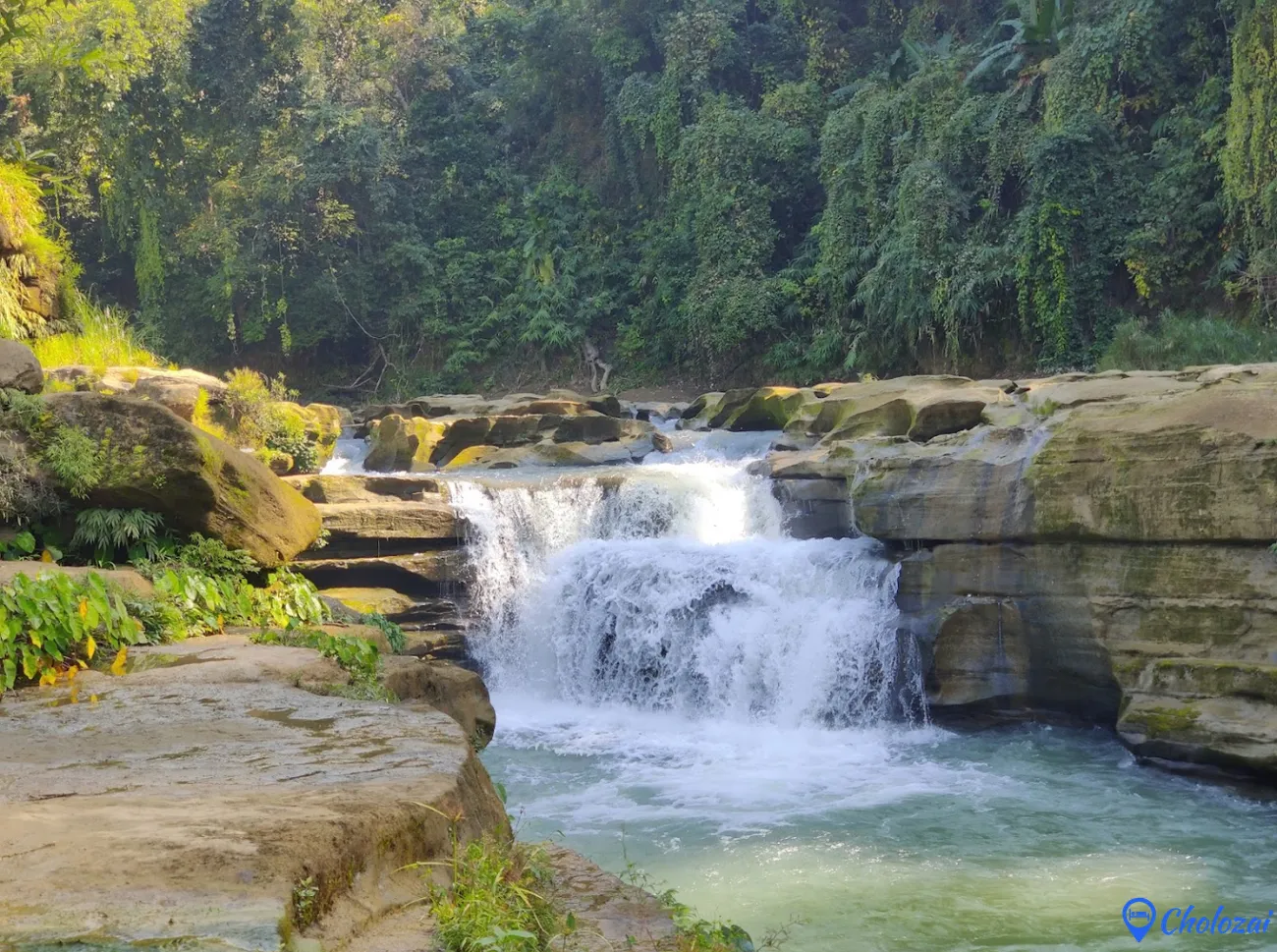
Walk about 3 km from Alikadam town to Mangchu Pru Para. A stream called Toain flows past this hamlet. After crossing the river at a suitable place, proceed along the rocky riverbed and mountain slopes towards the cave entrances. According to published travelogues, it takes about 20-30 minutes to walk from the village to the first cave area, although the actual time may vary.

Nearby directional signs: Alikadam Bazar, Alikadam Bus Stand, Mangchu Pru Para, Towain River and the surrounding Ali Pahar area. Do not rely on unverified map signs, confirm the correct start of the path with a local resident or a guide.

Important: The verified information used for this guide does not indicate any specific entry points on Google Maps. Travelers should obtain locally confirmed directions before beginning the final walk.

Trekking difficulties, safety and what to take with you

How difficult is the trek?

The trek to Ali Cave is generally considered a short adventure trek rather than a long mountain expedition. However, its difficulty should not be taken lightly. Crossing waterfalls, slippery rocks, climbing mountain slopes, and narrow cave passages can make the experience physically demanding.

Those with basic hiking experience may find the outer route easier under favorable conditions. The cave interior is more difficult to access, especially where visitors must crouch, crawl, or squeeze through narrow spaces. Those with limited mobility, balance issues, or a severe fear of enclosed spaces should carefully evaluate the route and consider staying outside the cave.

Checklist of essential items

  • Reliable headlamp with extra batteries.
  • Backup flashlight independent from the main headlamp.
  • Sturdy walking shoes with good grip.
  • Drinking water and light snacks.
  • Small first aid kit and personal medicine.
  • Fully charged mobile phone and power bank.
  • Comfortable clothing suitable for crawling and climbing.
  • Small backpack that keeps both hands free.
  • Waterproof protection for electronics and valuables.
  • Personal identification for any applicable local checkpoints.

Important safety considerations

Do not enter a cave passage where the water current is strong, the roof or walls appear to be unstable, or where visibility is poor. Never assume that a passage is safe just because other visitors have entered it before. Caves may contain loose rocks, hidden crevices, confined spaces, and poorly ventilated areas.

A local guide can help identify commonly used trails, but a guide cannot eliminate natural hazards. Visitors should stay within their capabilities and only return if conditions become unsafe. Avoid entering areas where crawling or climbing would make safe retreat difficult.

The national emergency number for emergencies in Bangladesh is 999. Mobile network reliability may be poor in remote areas, so let someone nearby know your destination and expected return time.


Where to eat

Food options are most convenient in Alikadam Bazaar and its surrounding urban areas. Small local restaurants and roadside food stalls usually serve Bangladeshi dishes such as rice, dal, vegetables, fish, chicken and seasonal dishes. It is best to check with locals for specific restaurant names, menus and opening hours.

Breakfast before the trek

Have breakfast at Alikadam before heading towards Mangchu Pru Para. Subject to availability, local food stalls may offer parathas, eggs, vegetables, tea and other familiar breakfast items. It is better to start your journey with a good meal than to sit around and hope for food near the caves.

Lunch after sightseeing

Return to Alikadam town for lunch. Depending on the cuisine and the type of restaurant, a typical local meal can cost around 120–300 dirhams per person. These prices are estimates, not verified restaurant menus.

Food and water near the cave

Do not assume that there are food shops, restaurants or drinking water facilities at the cave entrance. Carry enough safe drinking water and light snacks for the entire journey. Take all food packets back with you.

Travelers interested in regional cuisine can ask local restaurants about traditional dishes, but should ask permission before visiting social areas or hosting meals in private homes.


Where to stay?

Accommodation in Alikadam

For those who want to visit Ali Caves early in the morning, Alikadam is the most convenient base. The town has locally run accommodation options, although the availability and quality of each guesthouse may vary. Before paying, make sure to check the name of the accommodation, the condition of the room, bathroom facilities, electricity, security and the current room rate.

For basic accommodations, travelers can budget approximately ৳800–৳2,000 per room per night as a starting point. This is not a verified current price range for the hotels mentioned and actual prices may vary.

Accommodation in Bandarban city

Bandarban district headquarters has a wide range of hotels and tourist accommodation. It can be a convenient hub for touring the larger district, but travelers should take into account the long journey to Alikadam when planning a cave tour.

Tourists who want a more relaxing hill resort experience can visit Sairu Hill Resort in Bandarban . However, it is not a place to stay right next to Ali Guha and you will have to consider an additional road trip to get there.

Suggested plan for overnight stay

For a comfortable trip, arrive in Alikadam the previous afternoon, arrange for a guide and transport, and start the cave expedition the next morning. Return to the city for lunch and either stay another night or head to your next destination. This avoids combining a long overnight road trip with a grueling cave expedition right after arrival.

Booking tips: Check reviews from recent guests, make sure the hotel accepts advance reservations, and ask about local travel restrictions. Avoid relying on outdated online room rates or unverified phone numbers.


Suggested itinerary for one day at Ali Caves

The following schedule is a practical example for travelers staying in Alikadam. It is not an official travel schedule and should be adjusted according to local conditions.

Time Activity
7:30 am Breakfast and equipment testing at Alikadam
8:00 am Meet the local guide and set off towards Mangchu Pru Para.
08:30 AM Start your journey along the riverbanks and mountain slopes.
9:00 am Arrive at the cave area and assess the situation for safe entry.
9:15 am - 11:00 am Explore accessible caves and take pictures of the surrounding scenery.
11:00 AM - 12:00 PM Return along the path leading to Alikadam.
12:30 PM Lunch and rest in Alikadam town
Afternoon Optional local sightseeing tour or onward journey

Allow extra time if you are late crossing the waterfall, if the path is difficult, or if you have less experienced climbers in your group. Visiting the three caves should never take priority over returning safely.

Tourists who want a second thrilling experience (Damtua Falls Alikadam) can plan Damtua Falls and Alikadam as a separate trip. This requires additional transportation and trekking arrangements and should not automatically be considered a short break after visiting Ali Cave.


Nearby attractions

Ali Guha is an excellent starting point for exploring the natural beauty of Alikadam and the greater Bandarban district. The following attractions offer additional opportunities for hiking, waterfalls, mountain peaks, and cultural experiences. All of these are located within Bandarban district, but some require a bit of extra travel to reach and may not be close enough to visit in the same day.

  • Damtua Falls, Alikadam : A notable waterfall trekking destination in the Alikadam region. It is suitable for those who are interested in long and physically demanding nature treks.
  • Marayang Taung Bandarban : A picturesque hill trekking destination, known for its elevated landscape and outdoor adventure opportunities.
  • Chimbuk Hill, Bandarban : A popular hilly tourist spot, which can be included in the itinerary of an extensive road-trip to Bandarban.
  • Nilgiri Bandarban : A famous ridge tourist destination with expansive views of the surrounding hilly region.
  • Nilachal Bandarban : A well-known tourist spot near Bandarban city, which is popular for panoramic views and photography.
  • Shailprapat Waterfall : An attractive waterfall located along the roadside, which can complement a tour of the district.
  • Meghla Tourism Complex : A developed entertainment center with sightseeing facilities, suitable for travelers looking for a less physically demanding experience.
  • Bandarban Golden Temple : A unique Buddhist religious and architectural monument near the city of Bandarban.
  • Blue Horizon Bandarban : A beautiful sightseeing spot for tourists interested in seeing the mountainous landscape.
  • Boga Lake in Bandarban : A popular mountain lake destination for trekkers and adventure travelers.
  • Keokradong Bandarban : A notable trekking destination for travelers seeking a more challenging mountain experience.
  • Shrimp Falls in Bandarban : A waterfall destination commonly associated with trekking itineraries in the Boga Lake region.
  • Nafakhum Falls : A remote waterfall destination, where travel requires considerable preparation and attention to local permits.
  • Tindu Bandarban : A beautiful river and hilly tourist center adjacent to the Thanchi region.

Trip planning tip: First combine Ali Cave with other attractions in the Alikadam area, then allocate separate days for attractions around Bandarban city, Ruma, or Thanchi. This approach reduces unnecessary repetition and allows more time to safely enjoy each destination.

Frequently Asked Questions (FAQ)

Ali Cave, also known as Ali's Cave or Ali's Tunnel, is located in Alikadam Upazila of Bandarban District, Bangladesh. It is located on a hill near Mangchu Pru Para, about 3 kilometers from Alikadam town. Visitors usually reach it by following the Towain River and its surrounding mountain paths. The exact coordinates of its entrance on Google Maps have not been independently verified, so travelers should confirm the start of the trail with an experienced local guide.

Explore The Area

Top Attractions & Places to Visit in Bandarban

Discover more heritage, nature, and must-visit spots across Bandarban.

View all in Bandarban

Nafakhum Waterfall

Nafakhum Falls , also known as Nafa Khum or Gafakhong, is one of the most spectacular natural waterfalls in Bangladesh. ...

Shafayet Al-Anik

Boga Lake, Bandarban – Complete Travel Guide, Location, Cost, Trekking & Accommodation

Lake Baga, also known as Lake Bagakain, Lake Bagakain or Dragon Lake , is one of the most notable natural freshwater lak...

Shafayet Al-Anik

Nilachal Bandarban

Nilachal in Bandarban, also known as Nilachal Tourist Center, Nilachal or Tiger Hill , is one of the most famous scenic ...

Shafayet Al-Anik

Chimbuk Hill, Bandarban

Chimbuk Hills in Bandarban is one of the most well-known hilly tourist destinations in southeastern Bangladesh, famous f...

Shafayet Al-Anik

Nilgiris, Bandarban – Complete Travel Guide, Entry Fees, Location, Cloud Views and Accommodation

Nilgiri in Bandarban is one of the most famous hill station tourist destinations in Bangladesh, famous for its majestic ...

Shafayet Al-Anik

Golden Temple

The Golden Temple of Bandarban, officially known as the Buddha Dhatu Jadi , is one of the most significant Buddhist reli...

Shafayet Al-Anik

logo ColoZai

ColoZai is a trusted travel guide and destination explorer platform in Bangladesh. We are making travel simple, authentic, and accessible for everyone.

Need Help ?

We are Always here for you! Knock us on Whatsapp (10AM - 10PM) or Email us.