Melbourne Australia Travel

Melbourne Australia Travel

Melbourne
·

21 September 2026

Travel Overview & Quick Facts

Location
Melbourne
Admission / Entry Fee
Melbourne is a city, not a single ticketed tourist destination, so there is no general admission fee. Visitors can explore Federation Square, the Yarra Riverwalk, the Royal Botanic Gardens, Hoosier Lane and many open spaces for free. General admission to the permanent collection of the National Gallery of Victoria is free, although tickets may be required for special exhibitions. Entry to the Queen Victoria Market is also free, but shopping is charged separately. Paid experiences include observation decks, guided tours, wildlife encounters, cruises, museums and sporting events. Travel on public trams within Melbourne's designated free tram zones is free. As of October 2026, the cost of a two-hour full-fare journey on general metropolitan public transport is A$2.85 or up to A$5.70 for a daily fare on weekdays. Ticket prices are subject to change.
Best Time to Visit
Open all year round, but March to May and September to November are particularly recommended.
Opening Hours
Open 24 hours (public areas of the city; individual attractions, businesses, gardens, and transportation services have different opening hours).
Category / Type
City Tourism & Sightseeing, Arts, Culture & Heritage, Food & City Experiences, Nature & Entertainment

Introduction to Melbourne Australia Travel

Melbourne, Australia is the cosmopolitan capital of Victoria and one of the country’s top destinations for international travelers. Renowned for its vibrant narrow streets, exceptional coffee culture, world-class art galleries, historic architecture, sporting heritage and distinctive neighbourhoods, Melbourne offers a unique experience that combines contemporary Australian life with a rich multicultural heritage. Situated on the banks of the Yarra River and within easy reach of Port Phillip Bay, this dynamic city is a great destination for couples, families, solo travelers, photographers, foodies and culture seekers.

Melbourne is also known as 'Norm' , an Aboriginal name for the Melbourne region. The city is located on the traditional lands of the Urunjeri Ooi-Urong and Bunurong peoples of the Kulin Nation. Their continued cultural connection to the country is an essential part of Melbourne's identity. Visitors can explore Aboriginal history through exhibitions, public art, cultural tours and institutions such as the Melbourne Museum and the National Gallery of Victoria.

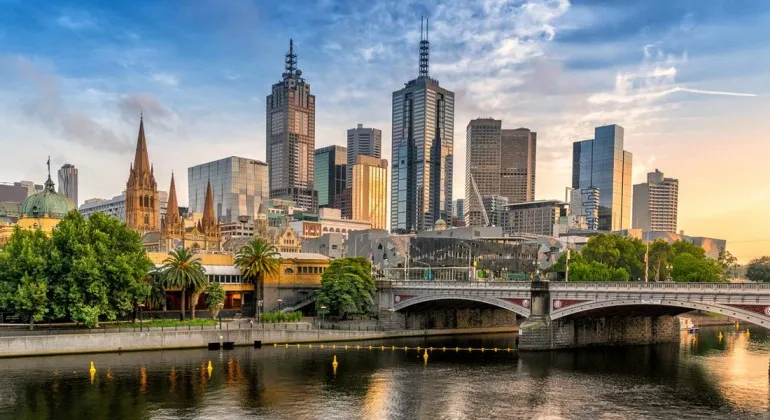
Unlike a typical tourist destination with a single entrance or ticket counter, Melbourne is a sprawling metropolis. Its central business district, commonly known as the CBD, is a convenient starting point for sightseeing. Federation Square, Flinders Street Station, St. Paul's Cathedral, and the Yarra River are its key central landmarks. From this area, visitors can explore the city's famous streets, riverside promenades, shopping areas, museums, and gardens on foot or by tram.

A typical Melbourne itinerary includes taking photos outside Flinders Street Station, discovering street art on Hoosier Lane, admiring the international collection at the National Gallery of Victoria, browsing the Queen Victoria Market, strolling along Southbank, and checking out the cafes of Fitzroy and Carlton. If travelers have extra time, they can enjoy St Kilda Beach, the colorful bathing boxes of Brighton, and some of Victoria's notable day trips, such as the Great Ocean Road and Phillip Island.

Melbourne is particularly attractive because many of its memorable experiences can be enjoyed for free. Its central tram network makes short-distance sightseeing easy, while its food culture reflects generations of immigration from Europe, Asia, the Middle East and beyond. Whether you're visiting Australia for the first time or returning to explore lesser-known areas, Melbourne rewards tourists who take a leisurely stroll through the local area alongside the major attractions.

Location clarification: Melbourne Australia Travel refers to the city of Melbourne in the state of Victoria, Australia, and not to any uniquely identifiable Google Maps business or attraction. The location can be found in Melbourne on Google Maps . No exact Google Maps place URL with independently verified pinpoint coordinates was found, so no coordinates, citywide Google review ratings, or review count have been fabricated.


Melbourne's best attractions and things to do

Melbourne has a unique blend of heritage buildings, contemporary architecture, art museums, markets, riverside attractions and vibrant cultural districts. Most of the city's most popular destinations are concentrated around the CBD (Central Business District), making it convenient to explore without having to rent a private vehicle.

Flinders Street Station and Federation Square

Flinders Street Station is one of Melbourne's most recognizable architectural landmarks. Its distinctive yellow facade, towering clocks, green domes and fascinating historical details make it a favorite place to take photos. Situated alongside the Yarra River, the station is a major junction for suburban train services and an ideal meeting point for travelers visiting central Melbourne.

Just across the street, Federation Square provides an interesting contrast with its contemporary architecture, open-air gathering spaces, restaurants, galleries and cultural centres. The square hosts a variety of community events, exhibitions, performances and social festivals throughout the year. The complex is home to the Ian Potter Centre: NGV Australia and ACMI (Australia's National Museum of Film and Culture).

Hoosier Lane and Melbourne's street art

Hoosier Lane is one of Australia's most well-known street art destinations. Located near Federation Square, this narrow city lane is home to an ever-changing collection of murals, graffiti, lettering and contemporary urban artwork. It attracts photographers, artists, independent travellers and visitors interested in Melbourne's creative identity. The artwork changes regularly, so there's always something new to see on every visit.

Visitors can also explore nearby Center Place, AC/DC Lane, Duckboard Place and other alleys known for their cafes, independent businesses and urban character. Street art should be enjoyed with respect, with no damage to existing artwork or disruption to local businesses.

National Gallery of Victoria

The National Gallery of Victoria (NGV) is one of Australia's most important art institutions. The NGV International, located on St Kilda Road, displays historical and contemporary art from international collections. The Ian Potter Centre, located in Federation Square, focuses on Australian art, including significant Aboriginal and Torres Strait Islander art.

General admission to the permanent collection is free. Selected special exhibitions require separate tickets. NGV International and the Ian Potter Centre are generally open daily from 10:00am to 5:00pm, but are closed on Christmas Day and other public holidays. Visitors can check current exhibitions and admission information on the NGV's official website . (plan your visit)

Royal Botanic Gardens Melbourne

Located south of the Yarra River near the Shrine of Remembrance, the Royal Botanic Gardens Melbourne offers a tranquil contrast to the hustle and bustle of the city. Well-maintained walkways, vast green spaces, ornamental lakes and plant collections make this garden ideal for leisurely walks, family outings, photography and nature enjoyment.

The gardens are particularly rewarding for visitors interested in botany, horticulture and the Australian landscape. General admission to the gardens is free, but some guided experiences and special activities may incur a fee. Opening and closing times vary seasonally.

Queen Victoria Market

Queen Victoria Market is one of Melbourne's most famous shopping and dining destinations. Established in the 19th century, this historic market is known for its fresh fruit and vegetables, deli meats, bakery goods, specialty foods, souvenirs, clothing and independent traders.

This market offers a great opportunity to browse the variety of stalls and experience the local food culture. It is usually open on Tuesdays, Thursdays and Fridays from 6:00 am to 3:00 pm; Saturdays from 6:00 am to 4:00 pm; and Sundays from 9:00 am to 4:00 pm. It is usually closed on Mondays and Wednesdays, except for special events or commercial arrangements. Special shopping usually starts at 9:00 am. Check the official website of the Queen Victoria Market for updated information. (www.qvm.com.au)

Southbank and the Yarra River

Southbank is a popular riverside area, with well-maintained walkways, cafes, restaurants, arts centres, hotels and stunning views of the Melbourne city skyline. A walk along the Southbank Promenade offers opportunities to photograph historic bridges, modern towers, riverboats and the changing reflections on the water.

Visitors looking to enjoy the scenery can book a boat trip on the Yarra River, while those looking for food and entertainment can explore the restaurants and venues around Southbank and South Wharf. The riverside promenades are generally free to the public.

Melbourne Museum and Carlton Gardens

The Melbourne Museum combines natural history, science, cultural heritage and exhibitions on the environment and people of Victoria. Its 'First Peoples' exhibitions provide an important opportunity to learn about Indigenous culture and history.

Nearby Carlton Gardens, a UNESCO World Heritage Site, surrounds the Royal Exhibition Building. The combination of landscaped gardens, historic architecture and educational attractions makes this area particularly attractive to families and heritage enthusiasts.

St Kilda Beach and Brighton Bathing Box

St Kilda is a popular bayside area, with beachfront promenades, cafes, entertainment venues and scenic views of Port Phillip Bay. Visitors can stroll along the waterfront, explore the food scene of Acland Street and explore the historic atmosphere of Luna Park.

Further out in the bay, Brighton Beach is famous for its brightly painted bathing boxes. These colourful structures are one of Victoria's most photographed coastal sites. The boxes are privately owned, so visitors should enjoy and photograph them from a public space without trespassing or causing any disturbance.


History, architecture and cultural significance

Melbourne's identity reflects its long Aboriginal history, 19th-century colonial development, continuous migration, and its emergence as an internationally influential centre of culture, commerce, and sport.

Indigenous and traditional countries

The Melbourne region has been home to Indigenous peoples for thousands of years. The Urunjeri Oyoi-Urong and Bunurong peoples maintain enduring cultural, spiritual and historical connections to the region's lands and waterways. Visitors can learn about these connections through cultural centres, museum exhibitions, public art and experiences led by Indigenous guides.

Colonial settlement and the search for gold

European settlement began on the banks of the lower Yarra River from 1835, during which time Aboriginal communities were disenfranchised and subjected to extreme unrest. The city of Melbourne was named in 1837 and became the capital of the newly formed colony of Victoria in 1851. The Victorian gold rush transformed the settlement into a wealthy and rapidly growing city, attracting immigrants and investment from around the world.

Many impressive Victorian-era buildings were built during Melbourne's 19th-century expansion, including the Royal Exhibition Building, the State Library of Victoria, Melbourne Town Hall, and numerous commercial buildings throughout the city centre.

Historical and contemporary architecture

Melbourne is known for its architectural contrasts. Flinders Street Station, historic arcades, churches, theatres and heritage warehouses stand alongside modern skyscrapers, experimental cultural buildings and redeveloped industrial areas.

The Royal Exhibition Building and Carlton Gardens were inscribed on the UNESCO World Heritage List in 2004. The exhibition buildings are closely associated with the 19th-century International Exhibition and Australia's early federation history. The area remains an important reminder of Melbourne's historical richness and architectural ambition.

Sports, creativity and multicultural life

Sport plays a major role in Melbourne's cultural identity. The city is internationally known for hosting the Australian Open tennis tournament, the Australian Formula One Grand Prix, and major Australian Rules football events at the Melbourne Cricket Ground.

Melbourne's multicultural communities have also shaped its food, festivals, markets and neighbourhoods. Carlton is particularly known for its Italian-Australian dining heritage, while Chinatown, Richmond, Footscray and other districts feature diverse Asian and international culinary influences. Together, these communities contribute to Melbourne's distinct urban character.


Ticket prices, entrance fees and guidelines for visitors

As Melbourne is an open metropolis, there are no general admission tickets . Visitors can enjoy the public streets, most alleys, Federation Square, public riverside paths and many gardens without paying an admission fee. However, fees may apply for individual attractions, exhibitions, tours and transport services.

Estimated entry and transportation costs

Experience Estimated cost Important information
Federation Square Free Some events and exhibitions require separate fees.
Exterior of Flinders Street Station Free Appropriate fares must be paid for train travel.
Hosier Lane Free No tickets are required to view the street art.
Royal Botanic Gardens Melbourne Free general admission Additional costs may apply for special tours and experiences.
NGV Permanent Collection Free general admission May apply to ticketed temporary exhibitions.
Queen Victoria Market Entry is free. Shopping, food, and certain activities incur additional costs.
Free tram zone Free Valid for tram travel only within designated boundaries.
Standard metropolitan transportation AUD 2.85 for two hours; daily maximum of AUD 5.70 on weekdays. Full rental rates will apply from October 2026; other caps and discounts will also apply.
Skybus Melbourne City Express One-way fare for adults is AUD 25.90; return fare is AUD 43.40 Airport transfers between Melbourne Airport and Southern Cross Station.
Guided tours, observation experiences and boat trips Varies depending on operator and experience Check official booking platforms before traveling.

Unless otherwise stated, all amounts are quoted in Australian dollars. From 1 June to 31 December 2026, temporary reduced fares apply on public transport in Victoria. Visitors travelling in 2027 or later should check updated prices. Further information is available from Transport Victoria . (tickets and payments)

Practical Inspector Guide

  • Public transport: Respect the boundaries of the free tram zone. Travel outside these boundaries usually requires paying a valid fare.
  • Museums and galleries: Check exhibition conditions, photography rules, bag restrictions, and holiday opening hours.
  • Street Art: Photograph murals with respect and avoid obstructing pedestrian movement or private entrances.
  • Market: Bring a payment card and some Australian currency if needed. Payment methods may vary from vendor to vendor.
  • Natural areas: Protect wildlife, follow park guidelines, and refrain from feeding wildlife.
  • Road Safety: Driving in Australia is on the left. Use marked pedestrian crossings and watch out for trams and cyclists.
  • Reservations: Book major sporting events, popular restaurants, and limited-seat experiences in advance.

Best time to visit Melbourne

Melbourne welcomes tourists all year round and the different seasons offer unique experiences. For many international tourists, the months of March to May and September to November are particularly suitable for walking, sightseeing, gardening, exploring the area and cultural activities.

March to May: Autumn

Autumn is a great time to explore Melbourne's city centre, botanical gardens, markets, museums and riverside areas. The tree-lined streets and parks take on seasonal colours, making for interesting photo opportunities. This time of year is particularly attractive to travellers who like to combine outdoor activities with food and cultural experiences.

September to November: Spring

Spring is a delightful time to visit parks, botanical gardens, gardens, and coastal destinations. The city hosts a variety of cultural and sporting events, while outdoor dining and walking trails become increasingly popular.

December to February: Summer

Summer is a time of great tourism, with beaches, seaside restaurants, outdoor events, and major sporting events attracting tourists. The Australian Open is usually held in January, which creates high demand for accommodation and event tickets. Travelers planning to travel around Christmas, New Year, and major sporting events should book their hotels well in advance.

June to August: Winter

Winter offers the opportunity to focus on galleries, museums, cafes, restaurants, theaters, shopping, and other indoor attractions. Some travelers may find favorable deals for stays outside of major event periods. Various public events and cultural activities continue throughout the city throughout this season.

Recommended duration: Three days is enough to get a good feel for central Melbourne. Four to five days is more suitable for exploring the surrounding areas, while six or seven days is more suitable to include the Great Ocean Road, Phillip Island or other regional destinations in Victoria.


How to reach

Melbourne is located in the state of Victoria, Australia and is connected internationally via Melbourne Airport. For travelers starting their journey from Dhaka, Bangladesh , flying is the most convenient way to reach Melbourne. From the airport, visitors can travel to the city centre (CBD) by Skybus, taxi, rideshare vehicle or other pre-arranged transport.

Step 1: Travel from Dhaka to Melbourne by air

  1. Start your journey from Hazrat Shahjalal International Airport (airport code DAC) in Dhaka.
  2. Find flights to Melbourne Airport (airport code MEL), also commonly known as Tullamarine Airport.
  3. Depending on airline schedules and availability, passengers can connect via major hubs in Asia such as Singapore, Kuala Lumpur or Bangkok. Other connecting itineraries may also be available.
  4. Allow sufficient time for connections and check baggage rules, transit requirements, visa requirements, and immigration documents before traveling.
  5. Upon arrival at Melbourne Airport, complete immigration and customs procedures before proceeding to the ground transportation area.

Flight prices fluctuate based on season, booking date, airline, baggage allowance, and transit arrangements. As a general guideline, rather than a verified direct price, budget for an estimated 70,000 to 150,000 taka or more per person for a round trip in economy class. Actual prices may be outside this range, especially during major holidays or when travel demand is high. Check airline booking platforms for the most accurate prices.

Step 2: Melbourne Airport to city centre by Skybus

The SkyBus Melbourne City Express connects Melbourne Airport to Southern Cross Station in central Melbourne. The airport is located approximately 22 kilometres from the CBD (Central Business District) and the journey by bus usually takes around 35 minutes, depending on traffic conditions.

  1. After exiting the terminal, follow the airport signs for buses and Skybus.
  2. Purchase tickets using any authorized Skybus sales outlet.
  3. Take the Melbourne City Express bus heading towards Southern Cross Station.
  4. Exit at Southern Cross Station, located on Spencer Street in the western CBD.
  5. Depending on the location of your accommodation, get to your hotel by tram, train, taxi, rideshare or on foot.

As of October 2026, published adult fares are AUD$25.90 one-way or AUD$43.40 return. The service generally operates between 4am and 1am, but passengers should check departure times before arriving. Tickets and timetables are available on the SkyBus official website . (melbourne city express)

Step 3: Taxi or rideshare from the airport to Melbourne

Taxis and app-based rideshare services are available at Melbourne Airport. A typical taxi ride to central Melbourne is estimated to cost around AUD$60 or more, with the final amount depending on traffic, tolls, airport fees, travel time and destination. Costs may be higher for larger vehicles and premium services. Passengers should follow official airport guidelines for specific pickup areas.

Step 4: Get to Melbourne's main attractions from the CBD

  • Flinders Street Station: Accessible by metropolitan train, tram or foot from central accommodation, it is an important starting point for sightseeing.
  • Federation Square: Located directly opposite Flinders Street Station, with convenient pedestrian access.
  • Hoosier Lane: Walk a short distance from Federation Square towards Flinders Lane.
  • Queen Victoria Market: Use the appropriate city tram from the north side of the CBD or walk.
  • Royal Botanic Gardens: Take the tram to St Kilda Road and the Domain area, then walk to the garden entrance.
  • St Kilda: Use the suburban tram service or taxi from central Melbourne.

Traveling around Melbourne by tram, train and bus

Melbourne has an extensive public transport system consisting of trams, trains and buses. The free tram zone includes the CBD and a large part of the Docklands. Passengers can travel on the entire tram system within this zone without paying any fare or using a transport card. Travel outside this zone usually requires a fare.

The historic City Circle Tram, Route 35, offers a free sightseeing tour around central Melbourne, with recorded information about major attractions. Except on certain holidays, it usually runs from approximately 9:30 am to 5:00 pm. This heritage service is not accessible to wheelchair users, although there are accessible alternatives on Melbourne's wider transport network.

Victoria uses the MyKey ticketing system for fare-based travel, and contactless bank-card payment will also be available on eligible services over time. Please check the payment methods applicable to your specific train, tram or bus journey. Current timetables, accessibility information and fare details are available from Transport Victoria . (transport.vic.gov.au)

Getting to Melbourne from other cities in Australia

From Sydney: Sydney and Melbourne are connected by domestic flights. Intercity rail services also connect the two cities, while driving requires a long interstate journey.

From Adelaide: Travellers can reach Melbourne via domestic flights, long-distance road transport, private vehicles or selected interstate rail services. Depending on the route, the driving distance is approximately 725 kilometres.

From regional Victoria: V/Line trains and coaches connect Melbourne to destinations such as Geelong, Ballarat and Bendigo. Southern Cross Station is a major regional transport hub.

Car rental and private vehicles

Car rental companies operate from Melbourne Airport and throughout the metropolitan area. As a rough guide, excluding variable insurance, fuel, tolls and parking charges, a typical rental car can cost around AUD$50 to AUD$120 or more per day. The actual rental amount depends on the date, vehicle type, driver qualifications and availability.

Tourists focusing on Melbourne's central attractions generally do not need a rental car, as walking and public transport are convenient. It becomes more convenient to explore regional destinations independently. Tourists from Bangladesh should check applicable Australian licensing requirements, including whether an approved English translation or an International Driving Permit is required.

Important landmarks for guidance

Convenient central landmarks include Flinders Street Station, Federation Square, Southern Cross Station, Melbourne Central, State Library Victoria, Queen Victoria Market and the Yarra River. These locations help visitors understand the CBD (Central Business District) and identify appropriate transport connections.


Where to eat

Melbourne is internationally recognized for its diverse food culture, specialty coffee, unique cafes, multicultural neighborhoods, and modern dining. Travelers can find everything from inexpensive takeaways and market snacks to sophisticated restaurants and extensive tasting menus.

Melbourne CBD: Laneway Cafe and International Dining

For travelers looking for a variety of dining options within walking distance, the city center is one of the best areas to visit. Degraves Street and Centre Place are well-known for their café-like atmosphere, while Hardware Lane and its surrounding streets are home to a variety of restaurants. Visitors can enjoy Australian-style brunches, pastries, sandwiches, espresso-based coffees, and international cuisine.

Chinatown: Asian Cuisine

Melbourne's Chinatown, centred on Little Bourke Street, is a historic dining area, with Chinese restaurants, dumplings, noodles, regional Asian specialities and modern eateries. Korean, Japanese, Malaysian, Thai and other cuisines are also available in the surrounding CBD.

Carlton: Italian food and cafe culture

Carlton, particularly Lygon Street, is deeply rooted in Melbourne's Italian-Australian culinary heritage. The area is known for its pizza, pasta, espresso, gelato and neighbourhood restaurants. It is a particularly attractive area for a relaxed lunch or dinner.

Queen Victoria Market: Food stalls and local produce

Queen Victoria Market is a great destination for travelers interested in local ingredients, bakery products, gourmet foods, fresh fruits and vegetables, and casual dining. The market's multicultural offerings make it a worthwhile stopover for visitors who want to sample a variety of flavors without the obligation to dine at a formal restaurant.

Southbank: Riverside Dining

Southbank is home to restaurants and cafes overlooking the Yarra River. This area is particularly popular for fine dining, dinners and special events in a pleasant setting. Some of the more popular riverside spots can be expensive, so it's a good idea to check the menu before you go.

Halal and vegetarian food in Melbourne

Melbourne has a wealth of vegetarian, vegan and halal-friendly dining options. Visitors looking for halal food can find suitable restaurants in the CBD and multicultural areas such as Carlton, Brunswick and its surrounding suburbs. As each restaurant's menu, suppliers and certification system may vary, it is best to check with them directly to confirm their halal requirements.

Estimated food budget

Food or dining experience Estimated cost
Coffee AUD 4.50–7
Bakery snack or light breakfast AUD 7–15
Simple takeaway food AUD 12–22
Cafe Brunch AUD 18–32
Price of food per person in a mid-range restaurant 25-50 Australian dollars
Premium dining experience 70 Australian dollars or more per person

These are not verified menus from any particular establishment, but rather an idea of ​​an approximate budget. Restaurant prices in Melbourne vary significantly depending on location, type of food, serving size and type of dining. In Australia, displayed retail prices generally include GST, and tipping is optional, not universally expected.


Where to stay?

Melbourne offers a wide range of accommodation options, from budget hostels and serviced apartments to international hotels and luxury residences. Choosing the right area can significantly enhance your sightseeing experience and reduce your daily commute costs.

Melbourne CBD: Best for first-time travelers

The CBD is often the most convenient place to stay for first-time visitors. Hotels around Flinders Street, Collins Street, Bourke Street and Melbourne Central offer easy access to shops, restaurants, transport services and major cultural venues. Staying within the free tram zone can also reduce the need for paid local transport.

Hotels near Southern Cross Station can be particularly convenient for visitors arriving by SkyBus, as they can arrive at their accommodation shortly after the airport transfer service leaves.

Southbank: Best for river views and premium hotels

Southbank offers modern hotels, serviced apartments, restaurants and easy access to the Yarra River. It is attractive to couples, business travellers and visitors looking for a place to stay in a pleasant setting within walking distance of central attractions.

Carlton: Best for culture and food

Carlton is within easy reach of the Melbourne Museum, Carlton Gardens, Lygon Street and the nearby university areas. This area is a good choice for tourists who enjoy cultural experiences, cafes, restaurants and historic residential streets.

Fitzroy and Collingwood: Best for creative areas

Fitzroy and Collingwood are attractive to travelers interested in independent shops, music venues, design, street art and unique cafes. These districts offer a neighbourhood-centric experience outside the busiest central tourist areas and are also well connected to the CBD by public transport.

St Kilda: Best for a Bayside Experience

For those who prefer to be close to the waterfront, while still maintaining tram connections to central Melbourne, St Kilda is a great place to stay. Its beach promenade, restaurants, cafes and entertainment attractions provide a different atmosphere from the central business district.

Estimated housing budget

Housing Department Estimated price per night
Hostel dormitory bed 35-70 Australian dollars per person
Budget hotel or private room 90–160 Australian dollars per room
Mid-range hotel 150–260 Australian dollars per room
High-quality hotel 250–450 Australian dollars per room
Luxury hotel 400 Australian dollars or more per room

These estimated planning ranges are not final hotel prices. Prices may vary significantly during peak demand periods such as the Australian Open, Formula One Grand Prix, major concerts, conferences, public holidays and other periods of high demand. Travelers should compare confirmed prices, cancellation policies, taxes and proximity to public transportation before booking.


Recommended Itinerary for Melbourne Trip

A well-structured itinerary helps first-time visitors combine Melbourne's main attractions with its local environment. The following three-day plan prioritizes central attractions and easy local excursions.

Day One: Historic Melbourne and the City Centre

  1. Morning: Start your journey at Flinders Street Station and Federation Square. Take photos of the station's famous architecture and enjoy the surrounding open spaces.
  2. As the day progresses: Walk down Hoosier Lane and explore the surrounding alleys and cafes.
  3. Afternoon: Visit the Ian Potter Centre: NGV Australia or ACMI, depending on exhibitions and personal interests.
  4. Evening: Walk along the Southbank Promenade and enjoy dinner by the Yarra River.

Day Two: Museums, Markets, and Gardens

  1. Morning: Visit the Queen Victoria Market on a typical weekday. If the market is closed, visit the State Library Victoria or another city attraction instead.
  2. Late afternoon: Visit Carlton Gardens and enjoy the exterior beauty of the Royal Exhibition Building.
  3. Afternoon: Visit the Melbourne Museum or spend some more time in Carlton.
  4. Evening: Savor Italian cuisine around Lygon Street or explore the restaurants in Chinatown.

Day Three: Arts, Botanical Gardens, and the Bay Area

  1. Morning: Visit NGV International located on St Kilda Road.
  2. Late afternoon: Explore the Royal Botanic Gardens and nearby memorial areas.
  3. Afternoon: Trip to St Kilda for a walk along the beach and surrounding streets.
  4. Evening: Return to the centre of Melbourne or enjoy a meal in the Bay Area.

For a four to seven day holiday: Add a trip to the Great Ocean Road, Phillip Island, Brighton Beach or regional cities in Victoria. The Great Ocean Road is best enjoyed as a full-day or overnight experience rather than as a short city break.


Travel advice for international visitors

Melbourne is generally quite easy to explore independently, but international travelers can avoid unnecessary costs and travel complications by being prepared.

Australia Visa Requirements

Bangladeshi passport holders are usually required to obtain an appropriate visa before travelling to Australia for tourism. Depending on the applicant's circumstances, a Visitor Visa, subclass 600, may be applicable. Travellers should check their eligibility, required documentation, applicable fees and processing arrangements with the Australian Department of Home Affairs . It should not be assumed that a visa will be available on arrival.

Currency and Payment

The Australian dollar (AUD) is used in Australia. Payment cards are widely accepted throughout Melbourne, including in many cafes, supermarkets, hotels, tourist attractions and transport-related services. Some small businesses may prefer specific payment methods, so it may be convenient to carry a small amount of cash.

Mobile connection

Visitors may want to consider an Australian prepaid SIM card or compatible e-SIM plan for navigation, ride booking, messaging and transport applications. Compare coverage, activation requirements, roaming costs and identification methods before purchasing.

Security and personal belongings

Melbourne is generally considered a convenient destination for general tourism activities, but visitors should take the usual precautions for the city. Keep valuables safe in crowded transport areas, keep an eye on personal belongings at markets and events, use approved taxi or rideshare services, and follow local safety guidelines.

Accessibility

Many major museums, galleries, transport stations and cultural attractions have accessible facilities. However, older buildings, some heritage trams and certain streets may have restrictions. Travellers who require stair-free access should check the accessibility information for each attraction and transport system before travelling.

Public holidays and major events

Opening times and accommodation costs may vary during Christmas, New Year, Easter, the Australian Open, the Formula One Grand Prix and other major events. Please ensure you make arrangements for the exact dates of your trip.

Tourist information

Useful government resources include Visit Melbourne , What's on Melbourne and Transport Victoria . These websites provide information about events, attractions, public transport and services for tourists.


Nearby attractions

Melbourne's central attractions are conveniently located around the CBD, and the surrounding areas and regional destinations of Victoria offer additional travel opportunities. The following places can be added to a Melbourne city itinerary. Relative locations are approximate and depend on the starting point of the journey.

Places of interest in and around Central Melbourne

  • Flinders Street Station: A famous Victorian-era railway station and architectural landmark located on the banks of the Yarra River. It is an ideal place to take traditional photos and start a walking tour.
  • Federation Square: A prominent cultural and public space located opposite Flinders Street Station, where art, architecture, exhibitions and various city events can be enjoyed.
  • Hosier Lane: One of Melbourne's most famous street-art alleys, located a short walk from Federation Square.
  • National Gallery of Victoria: Located on St Kilda Road and Federation Square, a major cultural institution with a vast art collection.
  • Queen Victoria Market: A historic food and shopping market located north of the CBD, popular for its local produce, gift items, and international flavors.
  • State Library Victoria: An important heritage and cultural landmark located on Swanston Street, known for its attractive reading rooms and exhibitions.
  • Royal Botanic Gardens Melbourne: A vast landscaped garden located south of the Yarra River, perfect for walking, exploring botany, and taking photos.
  • Melbourne Museum and Carlton Gardens: A combination of educational exhibitions, heritage landscapes and the UNESCO-listed Royal Exhibition Building.
  • Melbourne Cricket Ground: One of Australia's most important sporting stadiums, located near Yarra Park, east of the CBD. Admission tickets may be required for stadium tours and museum visits.
  • St Kilda Beach: A popular coastal destination located south of central Melbourne, known for its promenade, cafes, entertainment and scenic views of Port Phillip Bay.
  • Brighton Bathing Box: A colorful and historic bathing box located along Brighton Beach, popular for enjoying coastal views and taking photos.

Popular day trips from Melbourne

  • Great Ocean Road: One of Australia's most scenic coastal drives, with dramatic scenery and sights like the Twelve Apostles. A full day or more is recommended.
  • Phillip Island: A popular wildlife and coastal destination located southeast of Melbourne, particularly known for its penguin viewing experience.
  • Yarra Valley: A region located northeast of Melbourne, known for its vineyards, diverse cuisine, scenic countryside, and regional attractions.
  • Dandenong Ranges: Forested mountains east of Melbourne, home to gardens, countryside experiences, walking opportunities and the Puffing Billy Heritage Railway.
  • Mornington Peninsula: A coastal region rich in beaches, villages, scenic lookouts, and healthy living opportunities.

For those with limited time, prioritize the CBD, Federation Square, Flinders Street Station, Southbank and the National Gallery of Victoria. If you have extra days, you can explore St Kilda, Brighton, Carlton and Fitzroy before extending your trip to regional Victoria. General destination information and seasonal recommendations are available through Visit Victoria . (www.visitvictoria.com)

Frequently Asked Questions (FAQ)

Melbourne is known for its vibrant arts scene, street art, specialty coffee culture, multicultural cuisine, historic buildings, tram network, sporting events and distinctive neighbourhoods. Popular attractions include Flinders Street Station, Federation Square, Hoosier Lane, the National Gallery of Victoria, Queen Victoria Market and the Royal Botanic Gardens. Melbourne is also internationally recognised for major sporting events such as the Australian Open and the Australian Formula One Grand Prix.

logo ColoZai

ColoZai is a trusted travel guide and destination explorer platform in Bangladesh. We are making travel simple, authentic, and accessible for everyone.

Need Help ?

We are Always here for you! Knock us on Whatsapp (10AM - 10PM) or Email us.